
She woke at 3 a.m. convinced she had the flu. Head splitting, legs that wouldn't hold her weight. When she reached the hallway, two of her kids were already unconscious on the floor. The carbon monoxide in the house had been building for six hours while the family slept. She survived because she made it to a window. Her children survived because she reached them in time. Carbon monoxide survivor stories share an unsettling pattern — and understanding it could protect your household in a way a standard alarm cannot. This article draws on documented CO poisoning accounts, published CDC and EPA exposure data, and clinical literature on misdiagnosis to walk through exactly how these incidents unfold: how they start, why they're so difficult to recognize, and why the detector installed in your home may not be sufficient to stop one in progress. By the end, you'll know the specific failure points that turn a slow CO leak into a life-threatening emergency — and the five actions that address each one. Carbon Monoxide Poisoning Symptoms: What to Know Before It's Too Late
Why Carbon Monoxide Kills Differently Than Any Other Household Hazard
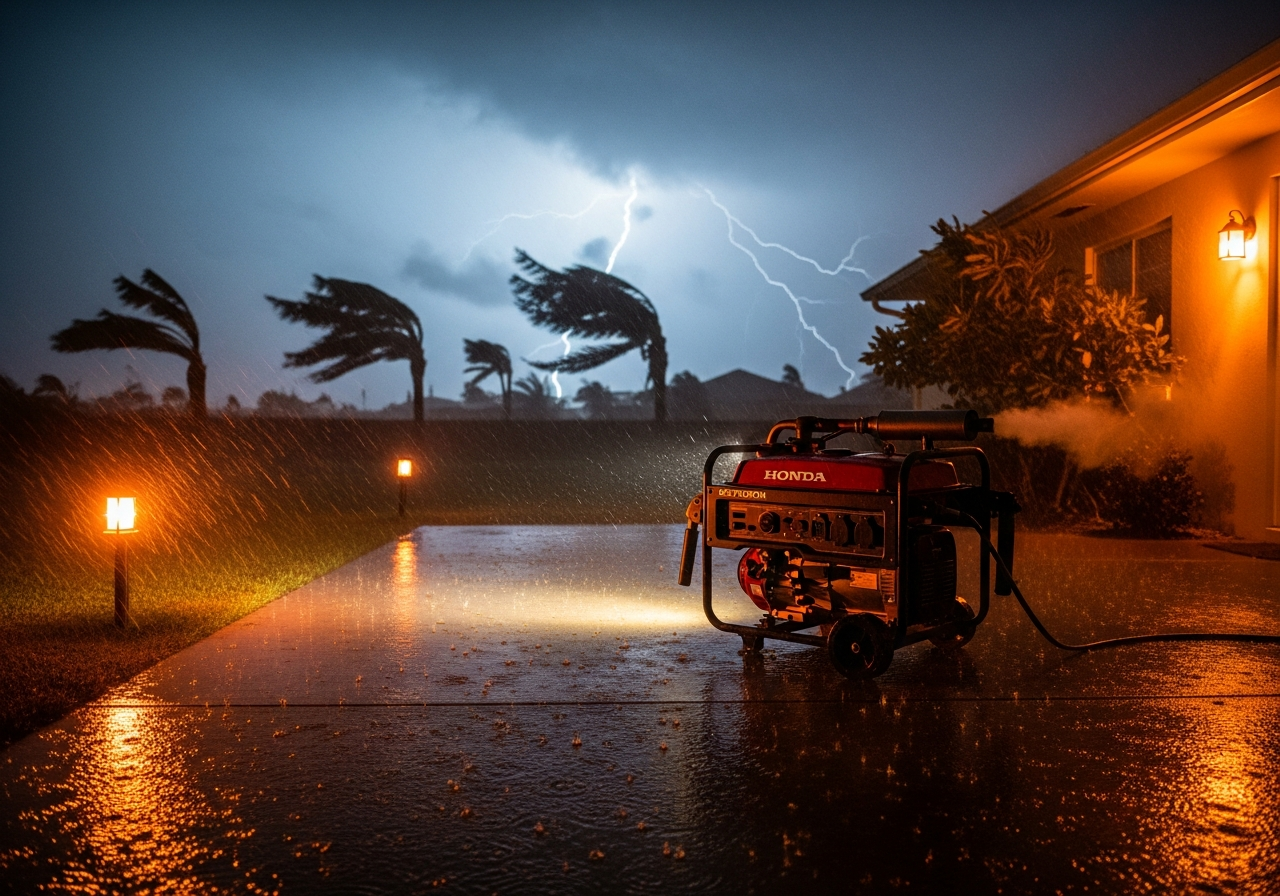
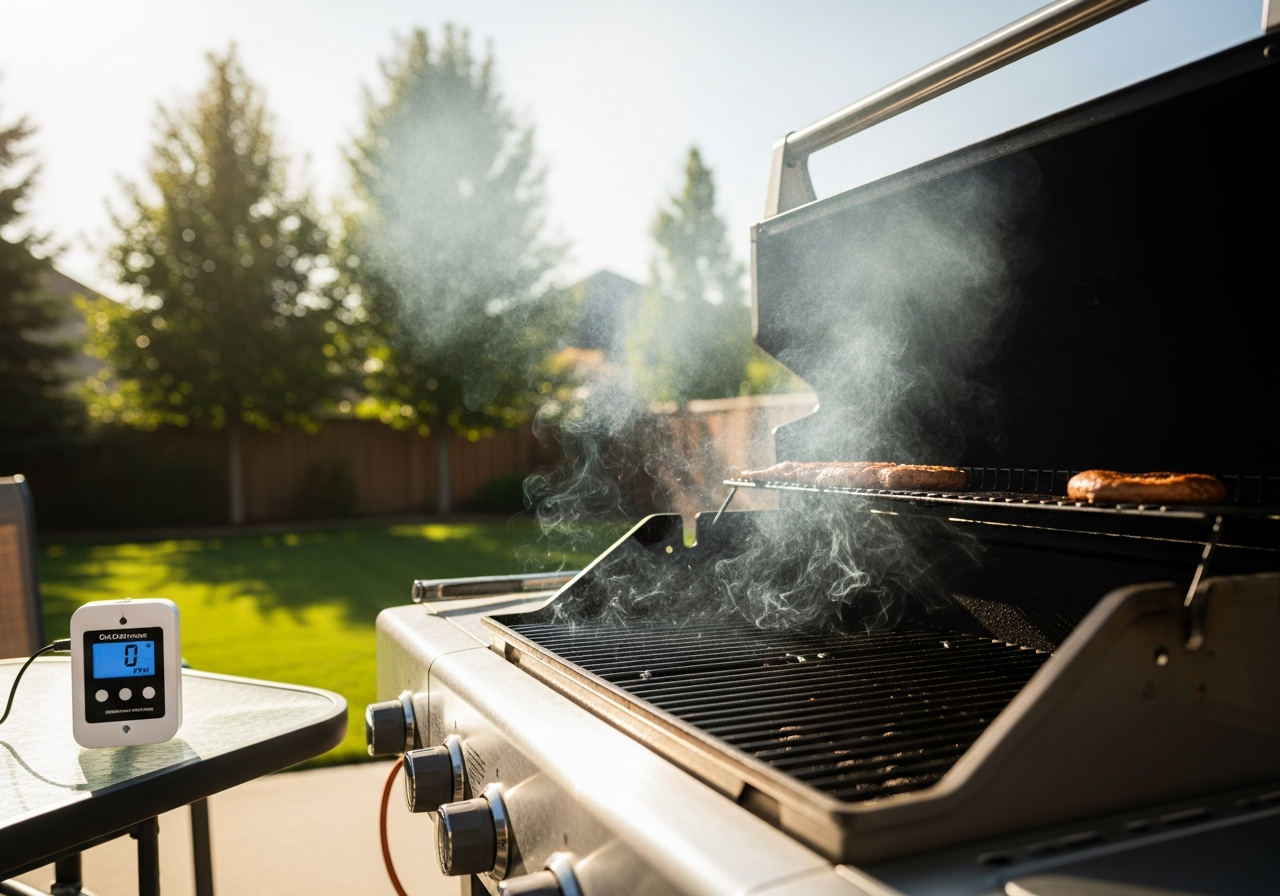
Carbon monoxide is unusual among residential hazards because it provides no sensory warning at any concentration. Smoke burns your eyes and throat. Natural gas carries the mercaptan odor that utility companies add for exactly this reason. Carbon monoxide has no smell, no color, no taste, and produces no physical irritation. Your body does not react to its presence. What makes CO especially dangerous is how it interacts with your blood: it binds to hemoglobin — the oxygen-carrying molecule in your red blood cells — approximately 200 to 250 times more tightly than oxygen does. Once attached, it stays attached. Your blood continues to circulate. Your lungs continue to breathe. But oxygen can no longer reach your brain and organs. You are suffocating at the cellular level while feeling, initially, like you simply need to lie down. The gas is produced in greatest concentrations by malfunctioning furnaces, water heaters, generators, and gas appliances. In a properly functioning appliance, CO produced during combustion vents safely outside. When a flue becomes blocked, a heat exchanger cracks, or ventilation is inadequate, CO accumulates in the living space — slowly, invisibly, without any physical trace. The 6 Most Common Sources of Carbon Monoxide in Your Home Takeaway: CO's combination of sensory invisibility and rapid hemoglobin binding means you have no instinctive alarm system and no warning before cognitive impairment begins.
The Flu Misidentification Window: Why CO Poisoning Hides in Plain Sight
The EPA and CDC publish CO exposure thresholds in parts per million. At 35 PPM — the legal limit for continuous workplace exposure — healthy adults begin accumulating toxic carboxyhemoglobin over hours of exposure. At 70 PPM, headache and fatigue appear. At 200 PPM, severe symptoms develop within two to three hours. At 400 PPM, you have roughly 90 minutes before life-threatening impairment. At 1,600 PPM — a level a malfunctioning furnace or a running car in a closed garage can produce — death is possible within one to two hours. Carbon Monoxide PPM Levels Explained: What's Safe, What's Dangerous The clinical danger is that early CO poisoning symptoms — headache, nausea, dizziness, fatigue — are clinically indistinguishable from influenza, gastroenteritis, or migraine. There are documented cases of CO poisoning patients sent home from emergency rooms with a diagnosis of viral illness, only to return in crisis hours later. CO can present identically to the flu, and because the U.S. lacks a national CO surveillance system, misdiagnosed cases are substantially underreported. The critical feature is what researchers call the "flu misidentification window": people feel sick, assume it's viral, go to bed to sleep it off. Losing consciousness under continued CO exposure is exactly how a recoverable exposure becomes fatal. Takeaway: the early symptoms of CO poisoning are designed, by biology, to be ignored — which is why exposure continues until the concentration reaches a threshold the body can no longer recover from.
Three Carbon Monoxide Near Death Accounts — and the Thread That Connects Them
Three documented accounts illustrate how CO poisoning actually unfolds. In every carbon monoxide near death case on record, the exposure was survivable at the moment the person first felt sick — what determined the outcome was whether real-time monitoring existed to trigger action before the concentration made that choice for them. Takeaway: CO poisoning deaths are not rare catastrophes — they are the predictable endpoint of a slow, recognizable process that most victims had hours to interrupt.
- Solon, Ohio: A mother woke just after 6 a.m. to a splitting headache and severe dizziness. Her husband wasn't responding normally. Two children were pale and barely responsive. The family's furnace had malfunctioned overnight; by the time responders arrived, CO levels were in a range that produces unconsciousness within hours. She survived because she happened to wake before the concentration rendered her incapacitated — and made it to a window
- Lake Point, Utah: A woman arrived home after work, ate dinner, noticed a building headache and nausea she attributed to dehydration. She drank water and went to bed. She woke at 2 a.m. unable to stand without holding the wall. She'd been in the house for seven hours with a slow CO leak. Her CO detector had expired 18 months earlier — the sensor inside had stopped working, but the device showed no visible sign of failure
- Crawl space incident: Two experienced tradespeople working in an enclosed crawl space felt fatigued and nauseous roughly two hours in — symptoms they attributed to physical exertion and pushed through. One later reported that his colleague's voice sounded distant, almost underwater. That's a recognized symptom of cerebral hypoxia: the brain being starved of oxygen as perception distorts. They made it out. A forensic investigation afterward found CO levels high enough to be fatal within four to five hours of continuous exposure
Why Your CO Detector May Not Sound When You Need It Most
Most people assume a CO detector in the home means they are protected. The reality is more conditional. CO detectors have a finite lifespan. Electrochemical sensors — the technology inside most residential CO detectors — degrade over time. Manufacturers typically rate sensor life at five to seven years. After that, the sensor may stop responding accurately. The device may still power on. The display may still illuminate. The unit appears functional. The sensor is not. How Long Do Carbon Monoxide Detectors Last? When to Replace Yours Consumer Reports pulled a bestselling CO detector from their recommendation list after reports of hospitalizations in homes where that unit was installed and showed no alarm. The Lake Point account above is the same scenario: an expired sensor that offered no warning across seven hours of continuous exposure. Beyond sensor expiration, placement is a commonly misunderstood variable: a single CO detector in a central hallway may not register concentrations building in a bedroom with a closed door until levels there are already dangerous. Detectors need to be near every sleeping area — not one per floor, not one per home. Finally, alarm-only detectors calibrated to trigger at sustained high concentrations may not respond to slower, lower-level leaks that build overnight — the kind that produce the headache you wrote off as stress. How Does a Carbon Monoxide Detector Work? A Clear Explanation Takeaway: a CO detector is only as reliable as its sensor age, its placement, and the concentration threshold at which it's designed to respond — and most households are unaware of all three.
Practical Application: Five Steps to Take This Week
The survivor accounts above share a feature: each incident was survivable at the point the person first felt sick. The single variable that separates a carbon monoxide near death experience from a fatality is whether real-time data was available before consciousness was lost — and every action below addresses a documented failure point that closes that gap. These five steps address the specific failure points documented across CO poisoning cases. Takeaway: none of these actions requires significant expense or expertise — together, they close every gap documented in the survivor accounts above.
- Find your CO detector's manufacture date — printed on the back or side of the unit — and compare it to today; if it is more than five years old, replace it regardless of how it appears to function; sensor expiration is invisible How Long Do Carbon Monoxide Detectors Last? When to Replace Yours
- Install a detector near every sleeping area in your home, not just one centrally located unit; a closed door is enough to slow CO from reaching a hallway sensor until bedroom concentrations are already dangerous Where to Place a Carbon Monoxide Detector: A Room-by-Room Guide
- Upgrade to a detector with a live PPM display — the difference between a slow-building 70 PPM leak and a rapid 400 PPM event is invisible to an alarm-only unit but immediately visible on a real-time reading
- Review every fuel-burning appliance in your home — furnace, water heater, gas stove, fireplace — and schedule an inspection if any haven't been serviced in more than a year; heat exchangers fail without visible indication
- Know the symptom pattern: headache, nausea, and fatigue affecting multiple people in the same space simultaneously is a CO red flag, not a coincidence — exit immediately and call 911 before re-entering Carbon Monoxide Poisoning Treatment: What Happens, What Helps, and What Does Not
Carbon monoxide survivor stories are striking not because the events are rare, but because they are ordinary. A furnace that ran too long. A detector whose sensor had quietly expired. A family that went to bed not knowing. The people who lived through them had no more information than you do right now — they were simply fortunate in how the timing played out. The AirShield™ detector gives you what those households didn't have: a live PPM reading of what's in your air, continuously, before a threshold is crossed — giving you the window to act that the families above didn't get. Visit airshield.store to see it.
Breathe Easy Podcast · Episode 1
Prefer to listen? This article is also a 10-minute podcast episode.
Hosted by ALEX and SAM — with survivor audio accounts, CO physiology breakdown, and five action steps.
Listen to the episode →Protect Your Home with AirShield™
The only portable CO detector that shows you real-time PPM readings on a live OLED display. Electrochemical sensor, multi-gas detection, UL listed.
Check Availability →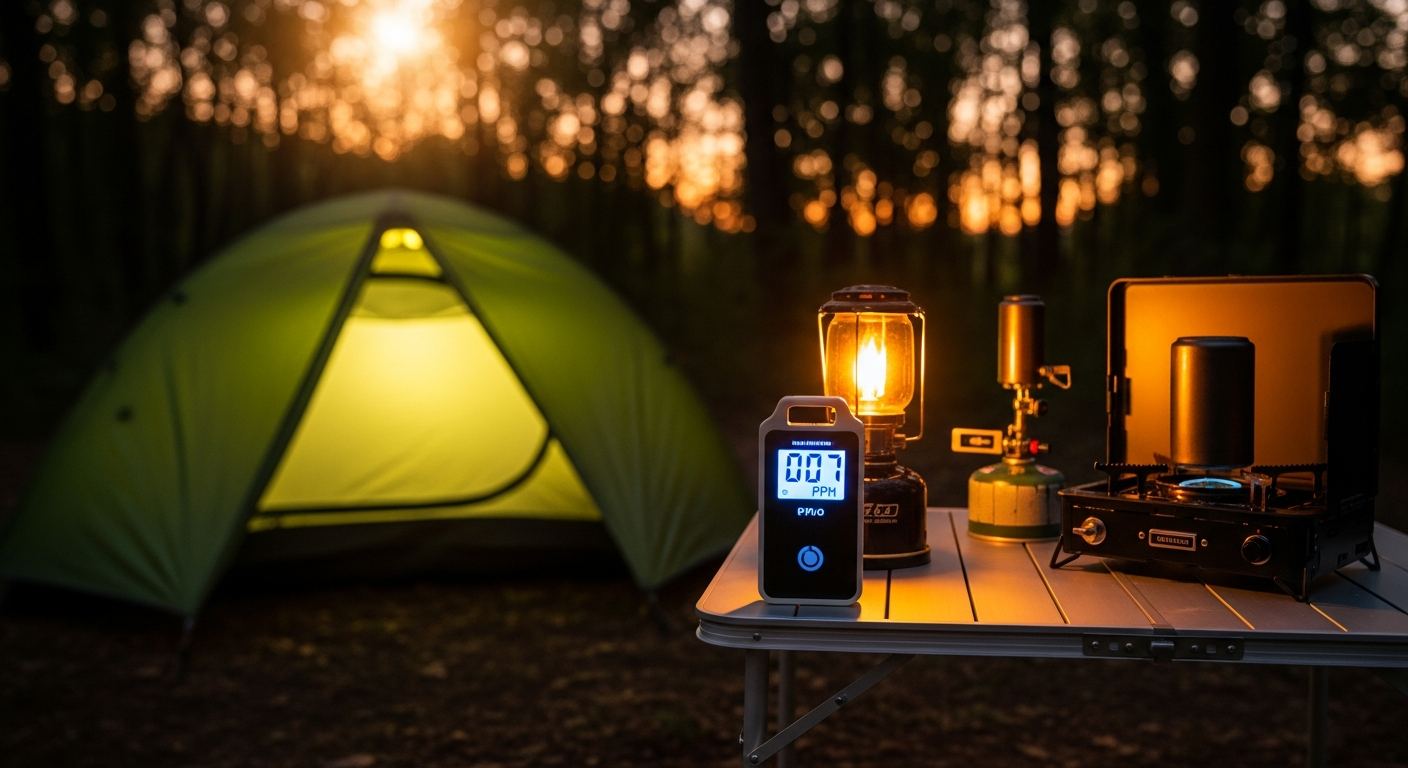
Loading comments...