Carbon monoxide is produced whenever fuel burns incompletely. Most modern appliances are designed to vent CO safely outside your home — but equipment ages, vents get blocked, and maintenance gets deferred. Understanding where CO comes from is the first step to reducing your exposure.
1. Gas Furnaces and Boilers
Your furnace is the highest-risk CO source in most homes, particularly in older homes or those with deferred maintenance. Cracked heat exchangers — a component that separates combustion gases from circulated air — can leak CO directly into your living spaces. Furnaces also connect to flue systems that can become blocked by debris, animal nests, or corrosion.
- Have your furnace inspected annually before heating season
- Replace filters regularly to maintain proper airflow
- Never ignore the smell of exhaust near your vents
2. Gas Stoves and Ovens
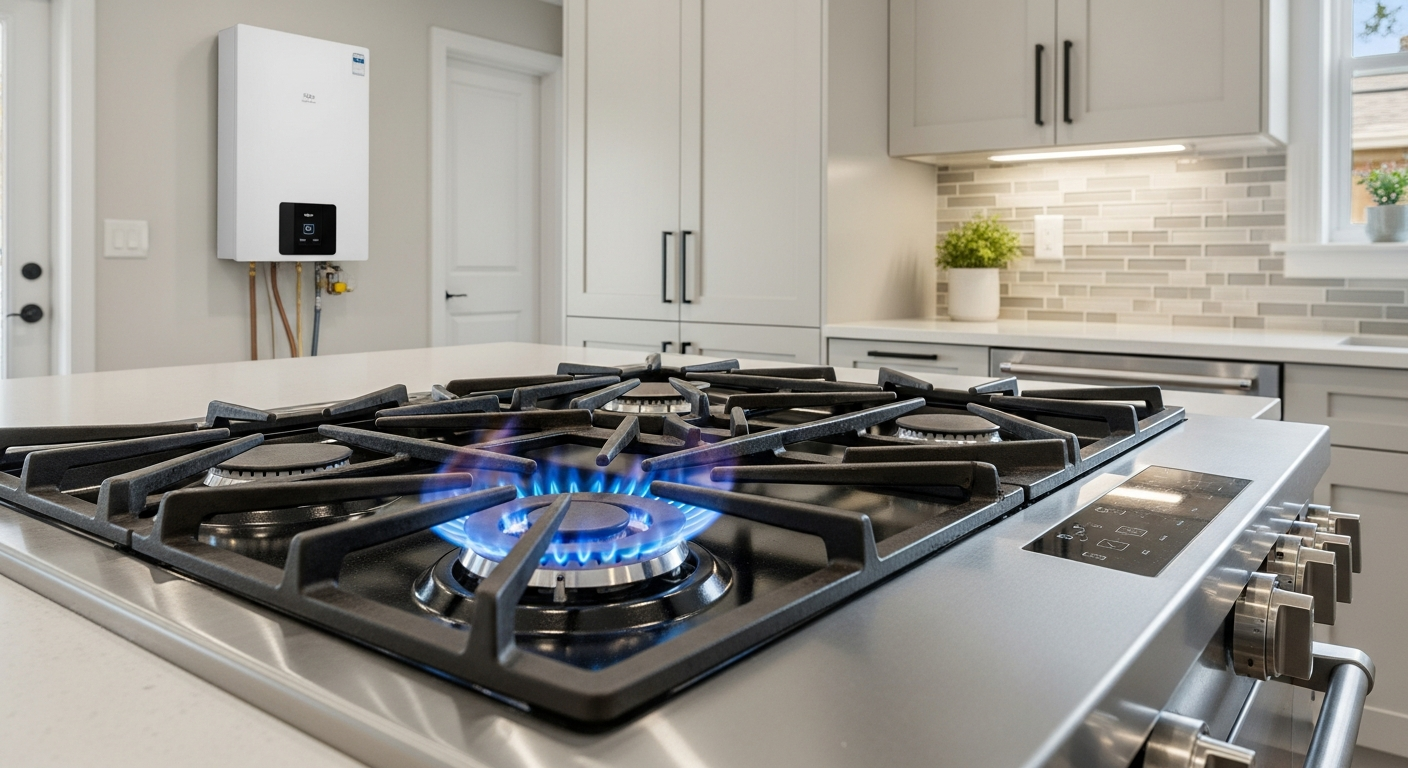
Gas cooking appliances produce CO during normal operation. Under good conditions — proper burner calibration, adequate kitchen ventilation — the amounts are small. But a poorly adjusted burner (yellow flame instead of blue) produces significantly more CO, and cooking in a poorly ventilated kitchen can allow CO to accumulate to detectable levels even from a correctly functioning stove.
3. Attached Garages
An attached garage is a major but often overlooked CO risk. Vehicle exhaust is extremely CO-rich, and an attached garage shares walls and often air circulation pathways with living spaces. Running a car in an attached garage — even briefly with the door open — can introduce CO into the home within minutes.
- Never run a vehicle engine in an attached garage, even with the door open
- Ensure the door between your garage and house seals properly
- Consider a CO detector near the garage-house connection point
4. Fireplaces and Wood Stoves
Fireplaces and wood stoves require adequate draft to vent combustion gases outside. A blocked or restricted chimney, a cold chimney that hasn't established draft, or a fireplace used with the damper incorrectly positioned can backdraft CO into the room. Gas fireplaces are also a risk if the venting system is damaged or blocked.
5. Water Heaters
Gas water heaters vent combustion gases through a flue — typically a vertical metal pipe that runs through the house to the roof. These flue systems can corrode, separate at joints, or become blocked. A back-drafting water heater will vent CO into the mechanical room and adjacent spaces.
6. Portable Generators
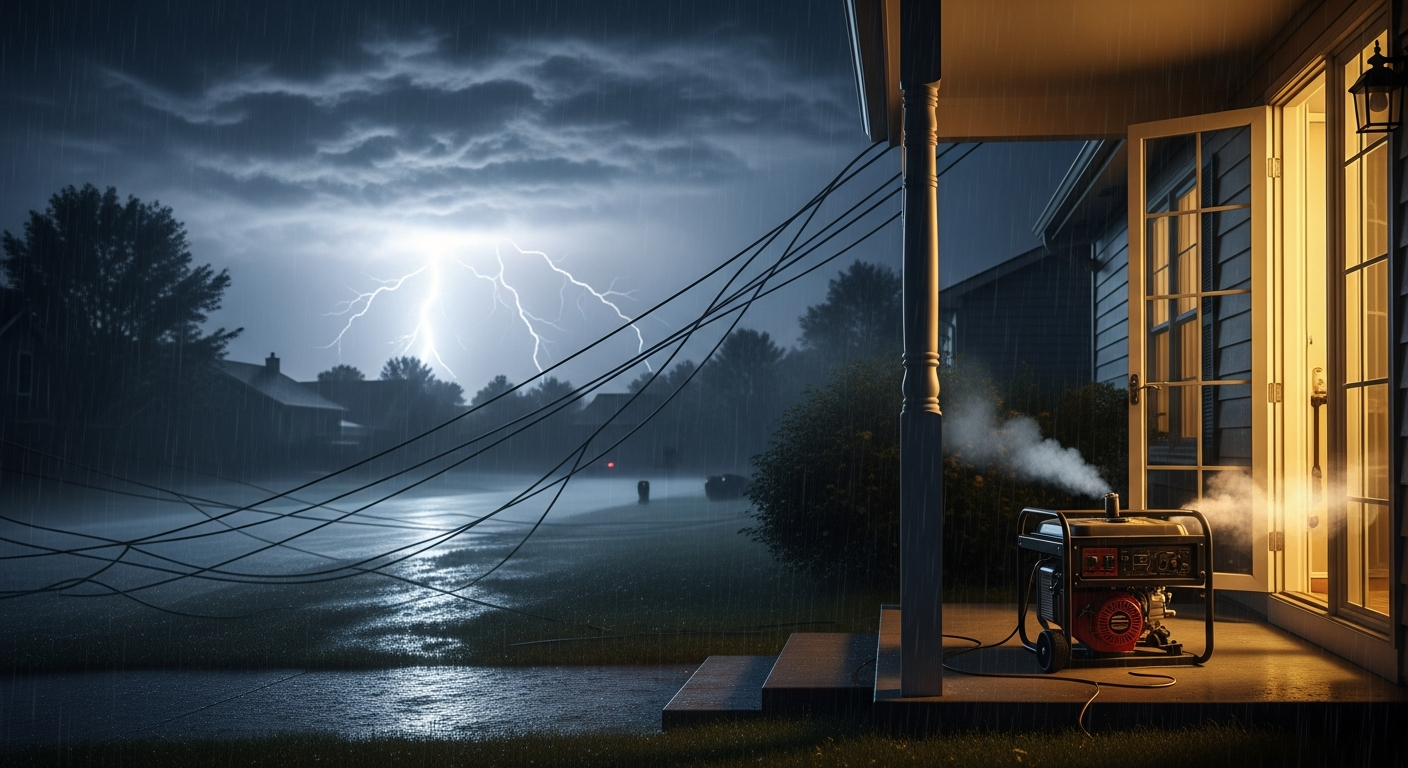
Generators are the fastest way to introduce lethal amounts of CO into a home. They're most commonly used during power outages — often in poor weather when windows are closed. A generator should never be run inside a home, in a garage, or within 20 feet of any window or door. Generator-related CO deaths spike significantly after major storms.
The Best Defense
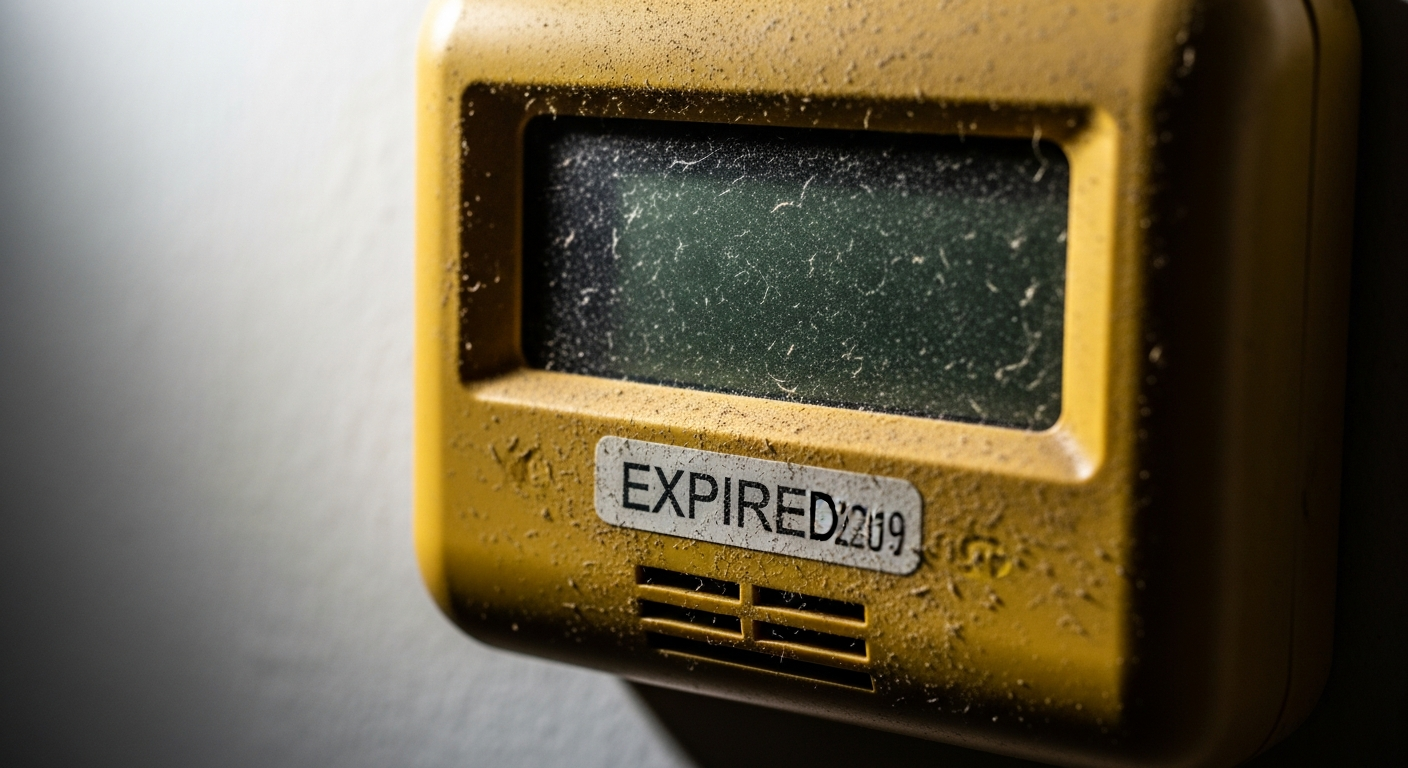
Install CO detectors on every level of your home, especially near sleeping areas. A detector with a live PPM display lets you see levels rising before they become dangerous — rather than waiting for an alarm to sound. Know the level, not just the alarm state. If you travel or rent, Portable Carbon Monoxide Detector: What It Is, Who Needs One, and How to Choose covers what makes a unit genuinely portable. Run through the Home CO Safety Checklist to verify your home's complete CO safety setup across all six source categories.
Protect Your Home with AirShield™
The only portable CO detector that shows you real-time PPM readings on a live OLED display. Electrochemical sensor, multi-gas detection, UL listed.
Check Availability →
Loading comments...