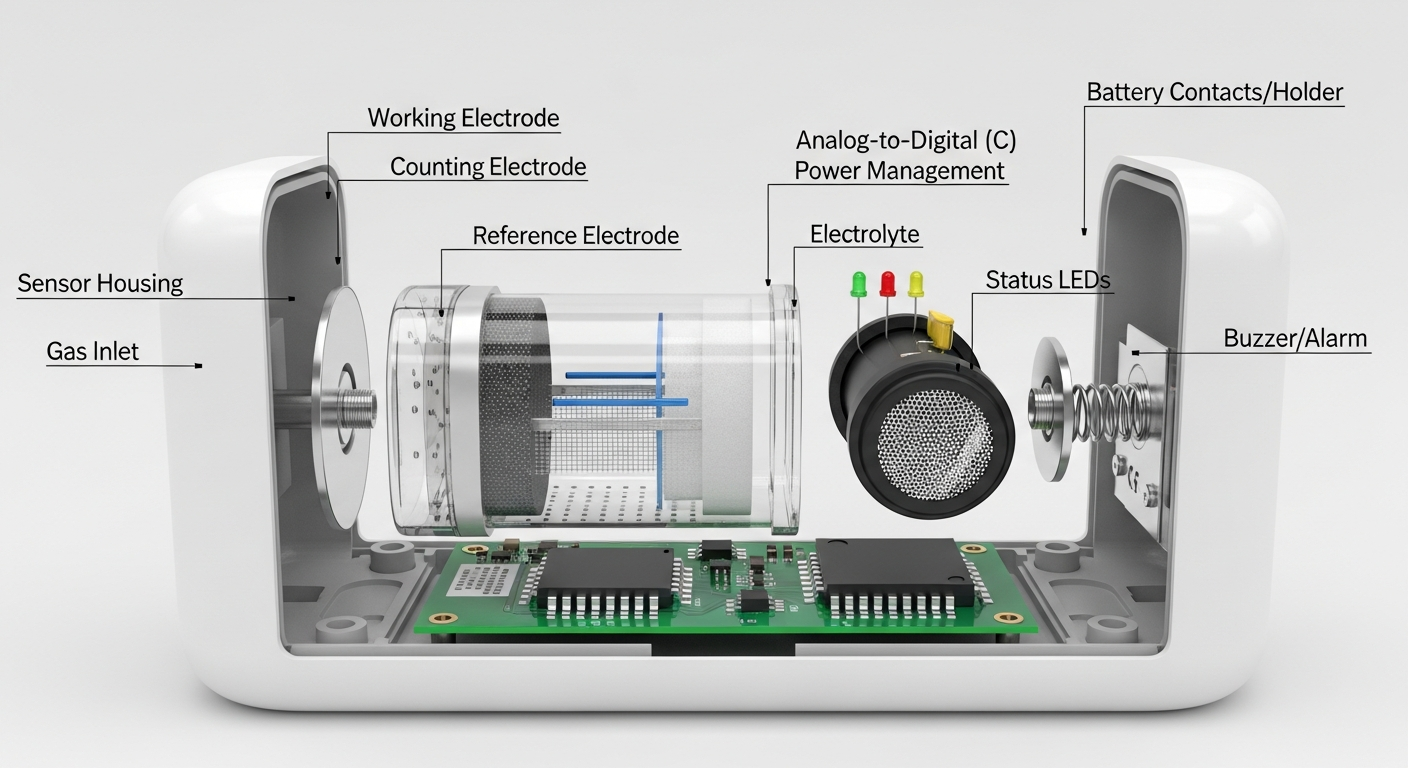
A CO detector looks like a simple device — a plastic box with a button. But what's happening inside when it detects carbon monoxide is a specific electrochemical or physical reaction that converts a gas concentration into a measurable electrical signal. Understanding how this works helps you pick a better detector and know when yours has stopped functioning.
The Three Sensor Types
There are three main technologies used in consumer CO detectors, each with different accuracy, lifespan, and failure characteristics.
1. Electrochemical Sensors (Best)
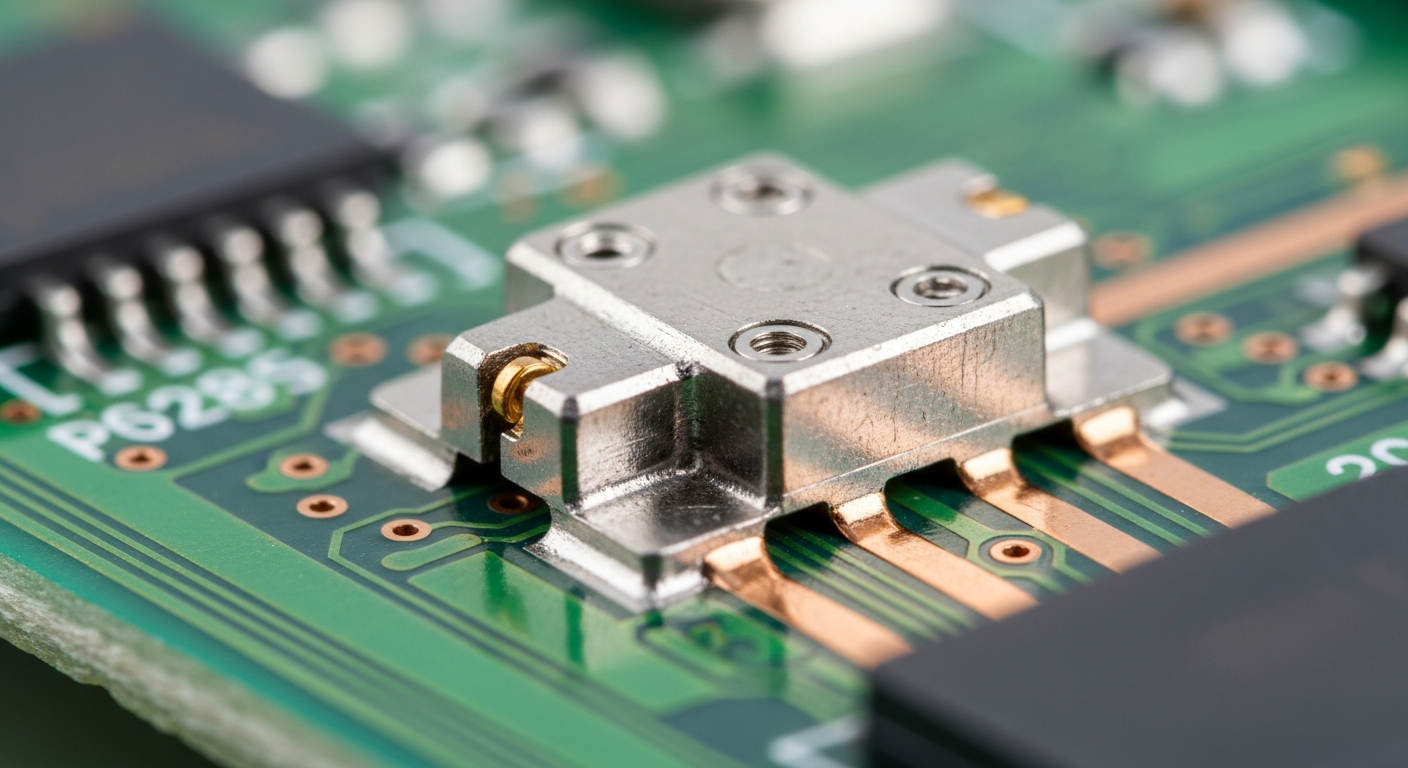
Electrochemical sensors use a chemical reaction to measure CO concentration. The sensor contains electrodes immersed in an electrolyte solution. When CO molecules contact the sensing electrode, they undergo oxidation — releasing electrons and generating a current proportional to the CO concentration. The detector measures this current and converts it to a ppm reading.
- Accurate at low concentrations (as low as 1–5 ppm)
- Highly selective — less prone to false readings from other gases
- Long lifespan: 5–10 years depending on quality
- Used in professional HVAC equipment, fire department meters, and medical devices
- The only sensor type that supports accurate live PPM displays
2. Metal Oxide Semiconductor (MOS) Sensors
MOS sensors use a metal oxide material (typically tin dioxide) that changes electrical resistance when CO is present. They're cheaper to manufacture than electrochemical sensors but have significant limitations:
- Less selective — humidity, alcohol vapors, and other gases can trigger false readings
- Require a warm-up period before readings are stable
- Accuracy degrades faster with age
- Less suitable for low-concentration detection — may miss sub-threshold exposure
3. Biomimetic Sensors
Biomimetic sensors use a synthetic hemoglobin gel that darkens when it absorbs CO — mimicking how CO affects red blood cells in the human body. These are simple and low-power but have significant limitations:
- Cannot produce live PPM readings — only a threshold response
- Require a reset period after CO exposure before they can detect again
- Not suitable for continuous monitoring applications
From Sensor to Alarm: The Signal Chain
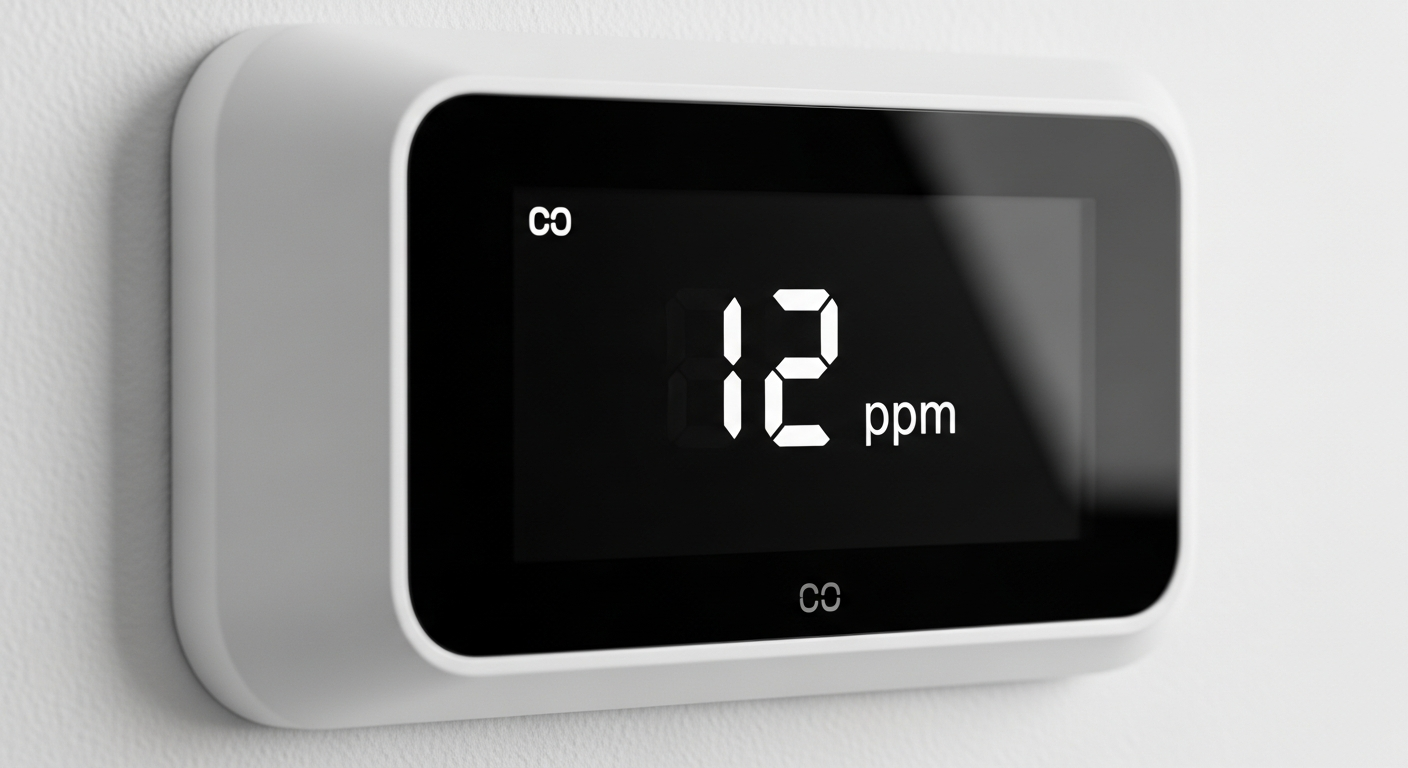
Once the sensor generates a signal proportional to CO concentration, the detector's microcontroller converts it to a ppm reading and compares it to alarm thresholds. A basic alarm-only detector triggers a buzzer when thresholds are crossed. A display-equipped detector shows the actual number on screen continuously — which is far more informative and allows you to see exposure building before any alarm threshold is reached.
Why Sensors Expire
Electrochemical sensors degrade over time because the electrolyte solution slowly evaporates and the electrode materials corrode. After 5–10 years, the sensitivity drops below what's needed to detect dangerous CO concentrations reliably. The device may continue to function — lights on, button beeps — but the sensor is no longer working. This is why checking the manufacture date of any CO detector is critical.
AirShield uses a professional-grade electrochemical sensor with a 10-year lifespan and a live OLED display that shows the actual CO concentration in real time — so you always know what the sensor is reading.
Protect Your Home with AirShield™
The only portable CO detector that shows you real-time PPM readings on a live OLED display. Electrochemical sensor, multi-gas detection, UL listed.
Check Availability →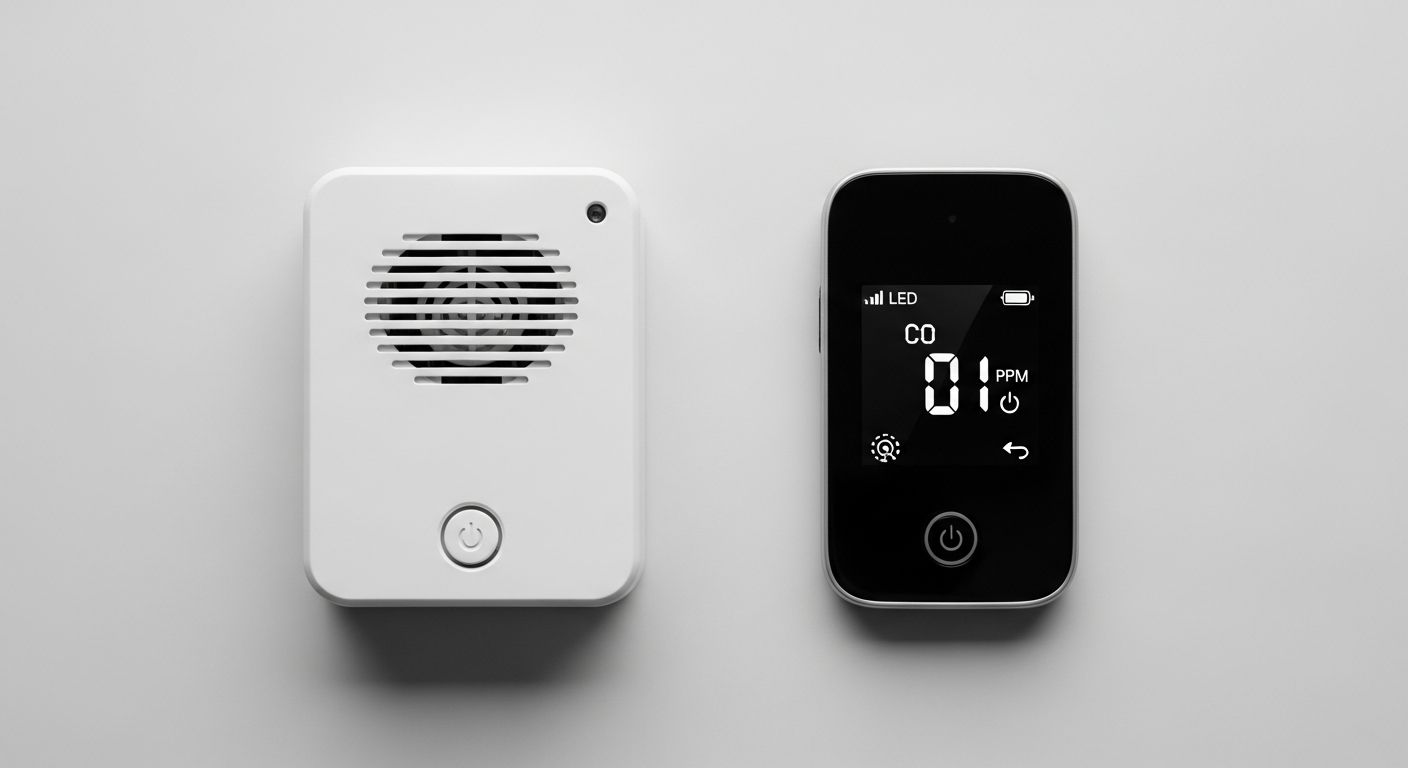
Loading comments...