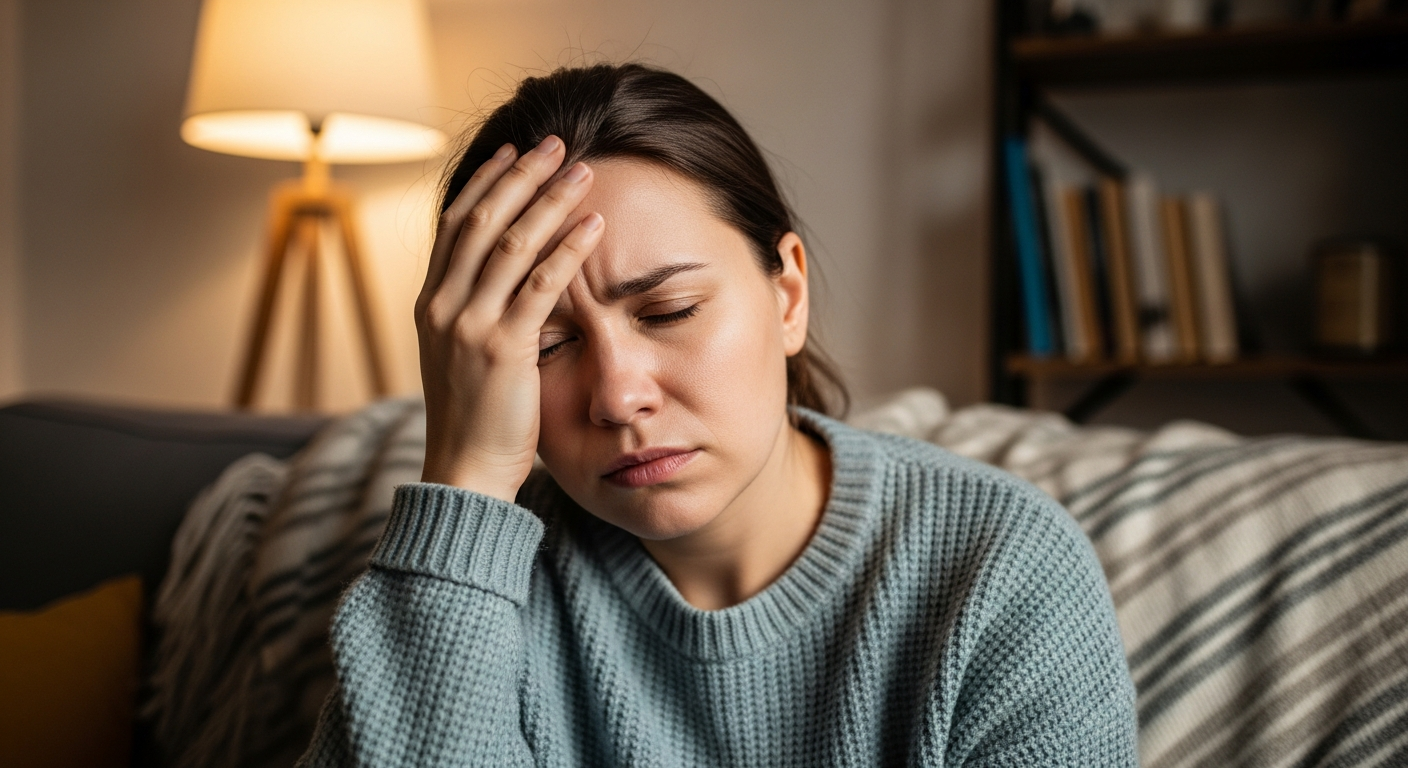
Every year, approximately 400 Americans die from accidental, non-fire-related carbon monoxide poisoning. Thousands more are hospitalized. Many of those cases begin with symptoms that were dismissed as something else entirely.
The Problem with CO Symptoms
Carbon monoxide poisoning presents differently depending on the concentration of CO in the air and the duration of exposure. At low levels, symptoms are vague and easily confused with common illnesses. This is precisely what makes CO so dangerous — it doesn't announce itself.
Symptoms by Exposure Level
Low-level exposure (35–200 PPM):
- Mild headache, especially across the forehead
- Slight fatigue or shortness of breath during physical activity
- Mild nausea
- These symptoms often clear when you leave the affected space, which is a key indicator
Moderate exposure (200–400 PPM):
- Throbbing headache within 2–3 hours
- Drowsiness and confusion
- Fast heart rate
- Vomiting
- Impaired judgment — victims may not recognize the danger
High exposure (400+ PPM):
- Severe headache, confusion, and loss of coordination
- Unconsciousness within 1–3 hours at 400 PPM
- Fatal within hours at concentrations above 800 PPM
- Victims may lose consciousness before they can escape
Why CO Is Misdiagnosed
Studies have found that CO poisoning is routinely misdiagnosed in emergency rooms, particularly in winter months when flu is prevalent. A 2006 study in Annals of Emergency Medicine found that 23% of CO-poisoning patients were initially misdiagnosed at triage. The symptoms — headache, nausea, fatigue — are identical to influenza.
The key differentiator: flu symptoms typically worsen when you stay home. CO symptoms improve when you leave the affected building and worsen when you return. If you notice this pattern, treat it as a medical emergency.
Groups at Higher Risk
Some people are significantly more vulnerable to CO exposure:
- Infants and young children (higher breathing rate, smaller body mass)
- The elderly (reduced cardiovascular reserve)
- People with heart or lung disease
- Pregnant women and their unborn children
- People who are asleep — CO can be fatal before they wake
What to Do If You Suspect CO Poisoning
Move everyone out of the building immediately. Call 911. Do not re-enter the building. Get to fresh air — if symptoms are severe, get to an emergency room immediately and tell them you suspect CO exposure. Treatment with high-concentration oxygen or hyperbaric oxygen must begin quickly to minimize long-term neurological damage.
The best response is early detection — before symptoms even begin. A detector that shows live PPM readings means you see the CO level rising long before it reaches the threshold that causes symptoms. That's the difference a good detector makes.
Protect Your Home with AirShield™
The only portable CO detector that shows you real-time PPM readings on a live OLED display. Electrochemical sensor, multi-gas detection, UL listed.
Check Availability →
Loading comments...