There are two main sensor types inside most CO detectors — electrochemical and biomimetic. Electrochemical sensors measure the exact amount of CO in the air and show you a live number. Biomimetic sensors just trigger an alarm. That difference matters more than most people realize. According to the CDC, CO kills approximately 400 people per year in the U.S. and sends more than 100,000 to emergency rooms. Many of those people had detectors that never alarmed because levels stayed just below the threshold. This post explains exactly how each sensor works, which one is more accurate, and what to look for when you're picking a CO detector — especially if you travel, stay in rentals, or live in a van or RV. A detector that only alarms tells you CO is already bad — a detector with a live PPM reading tells you it's getting worse before it gets dangerous. By the end, you'll know exactly what's inside your detector and whether it's doing enough to protect you.
What Is a Biomimetic CO Sensor and How Does It Work?
A biomimetic sensor — meaning it mimics biology — uses a gel that reacts to CO the same way hemoglobin in your blood does. Hemoglobin is the protein in your red blood cells that carries oxygen. CO binds to hemoglobin and blocks oxygen from getting through, which is exactly what makes it so deadly. The gel in a biomimetic sensor darkens when CO attaches to it, just like blood does during poisoning. When enough of the gel changes color, the detector triggers an alarm. The problem is simple: the gel either trips the alarm or it doesn't. There's no middle state. Biomimetic sensors can't tell you that CO is sitting at 45 PPM in your room — they can only tell you it crossed the alarm line. According to UL 2034, the standard that governs residential CO detectors, a detector isn't required to alarm at all below 70 PPM. That means low-level CO — the kind that causes headaches, dizziness, and confusion over hours — can go completely undetected. Biomimetic detectors also need time to reset after exposure because the gel has to de-saturate before the sensor can read accurately again. For anyone who wants more than a basic alarm, that's a real limitation. Takeaway: Biomimetic sensors meet the minimum alarm standard but give you zero data about what's happening in the air before the alarm goes off.
What Is an Electrochemical CO Sensor and Why Is It More Accurate?
An electrochemical sensor works like a tiny battery that runs on CO. Inside the sensor are two electrodes — think of them as two metal plates — sitting in a liquid called an electrolyte. When CO enters the sensor, it reacts with the electrolyte at one electrode and produces a small electric current. The detector measures that current constantly and converts it into a PPM reading. The more CO in the air, the stronger the current, and the higher the number on your display. This happens in real time, which means you can watch the number change as conditions shift. NIOSH — the National Institute for Occupational Safety and Health — sets a ceiling limit of 200 PPM for CO exposure in workplaces. But even levels as low as 35 PPM over 8 hours are considered unsafe. An electrochemical sensor can detect CO well below that, sometimes as low as 1 PPM. Carbon Monoxide PPM Levels Explained: What's Safe, What's Dangerous Because the sensor is measuring a precise electrical signal, it can show you that CO is at 28 PPM and rising — information a biomimetic sensor simply can't give you. Electrochemical sensors are used in professional safety equipment, industrial monitors, and fire department gear for exactly this reason. They're more expensive to make, but they're the standard for accuracy. Takeaway: Electrochemical sensors give you a live, precise PPM reading — making them far more useful for catching CO problems early.
What Happens If You Only Have an Alarm and No PPM Reading?
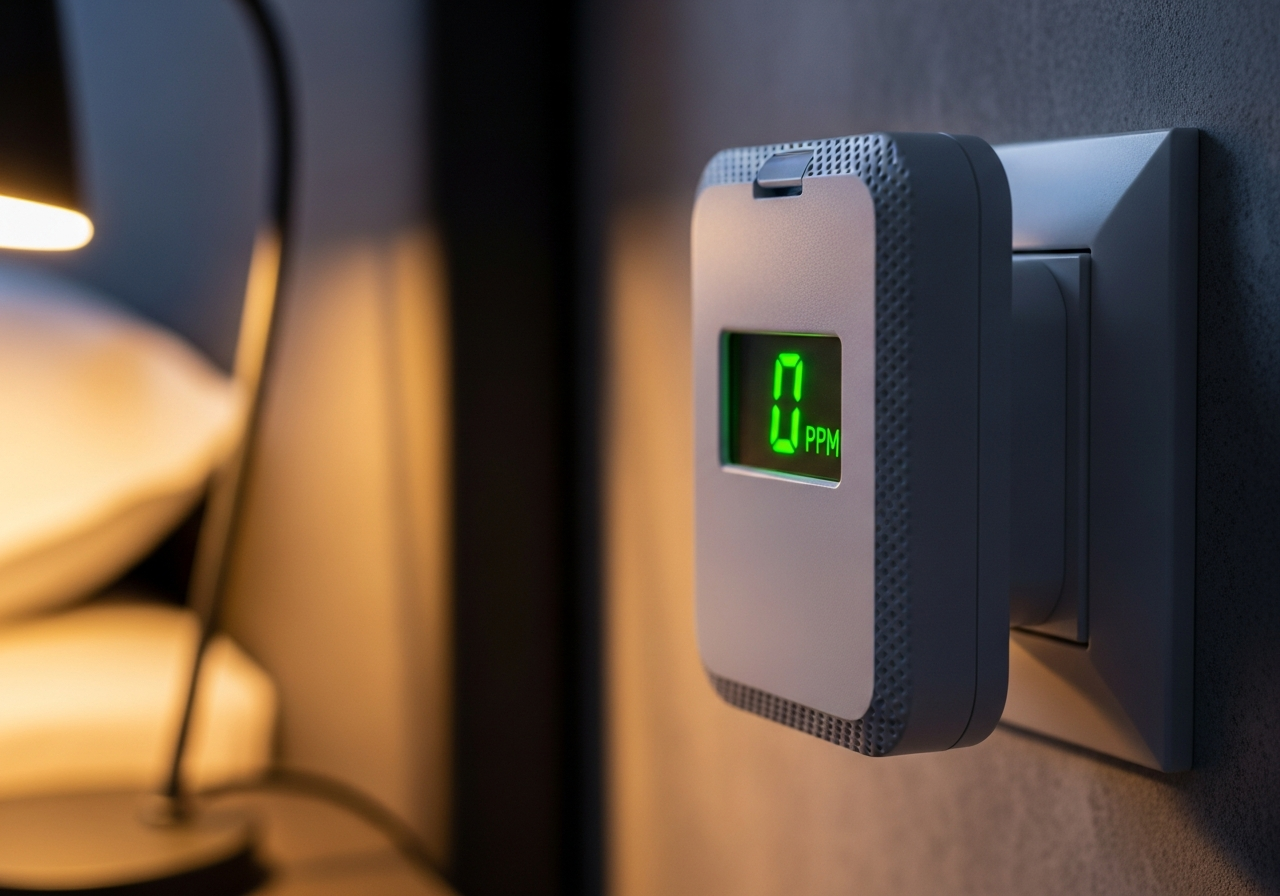
Most people assume that if their CO detector hasn't gone off, the air is safe. That's not always true. Under UL 2034 standards, a CO detector is required to alarm within 60 to 240 minutes at 70 PPM — but it's not required to alarm at all below that level. That means CO could be building up in your space for hours without triggering a single beep. The CDC notes that CO poisoning symptoms — headache, dizziness, nausea — look almost identical to the flu, so people often don't recognize what's happening. Carbon Monoxide Poisoning While Sleeping: The Real Risk If you're asleep, you may not feel symptoms at all until the situation is serious. At 70 PPM, a healthy adult can develop symptoms within a few hours — but a child, elderly person, or someone with heart disease can be affected much faster at lower levels. A detector with a live PPM display changes the entire picture. You can see that your rental's CO level crept from 5 PPM to 22 PPM over the last hour. That's a warning sign you can act on — open a window, find the source, leave if needed — before the alarm ever sounds. Without that number, you're flying blind. The 70 PPM Standard Was Designed to Alarm Late — Here's Why That's a Problem Takeaway: An alarm-only detector tells you when CO is already dangerous — a live PPM display lets you catch problems while you still have time to respond calmly.
Does Sensor Type Matter More for Travelers Than for People at Home?
For someone who sleeps in the same house every night, a wall-mounted biomimetic detector with a loud alarm provides basic protection — especially if it's placed correctly and replaced on schedule. Carbon Monoxide Detector Placement: Exactly Where to Put Yours But if you travel, stay in vacation rentals, or sleep in a van or RV, the stakes are different. You're in an unfamiliar space. You don't know the last time the host's detector was tested or replaced. You don't know if the furnace is leaking, if the gas stove burns clean, or if the previous guest left a window cracked for a reason. The CPSC has documented multiple CO deaths in vacation rentals and hotels where detectors were either absent, expired, or placed incorrectly. In a rental, you can't verify anything. That's exactly why sensor type matters more when you travel. An electrochemical detector with a PPM display gives you independent verification of the air quality in any room, anywhere in the world — no trust required. A good travel-grade CO detector should also work on 100–240V power so it functions in international outlets without a converter. Carbon Monoxide in Airbnbs and Vacation Rentals: What Every Summer Traveler Needs to Know Biomimetic sensors are common in low-cost detectors because the gel is cheaper to produce, but that cost saving comes with a real trade-off in information. Takeaway: Travelers and rental guests need more information, not less — which makes electrochemical sensors the right choice for anyone sleeping somewhere unfamiliar.
What Should You Do Right Now?
- Check your current CO detector — look on the back for the words 'electrochemical' or 'biomimetic' to know what sensor type you have
- Find the manufacture date on your detector — electrochemical sensors typically expire in 5 to 7 years, and an expired sensor may not detect CO accurately
- If your detector has no digital display showing PPM, you're only getting an alarm — not real-time air quality data
- If you're traveling this summer to a rental, hotel, or RV, plan to bring your own CO detector — don't assume the property's detector works or is current
- Look for a detector rated for 100–240V if you travel internationally — this lets you plug in anywhere without a converter
- Place your CO detector at breathing height near sleeping areas — CO mixes with air at all levels, so height matters less than being near where you sleep Carbon Monoxide Detector Placement: Exactly Where to Put Yours
- Tell your family what CO symptoms feel like — headache, dizziness, nausea, confusion — so they know to leave and get fresh air even if no alarm sounds
Understanding what's inside your CO detector isn't just nerdy trivia — it directly affects how protected you are. Electrochemical sensors give you a live number. Biomimetic sensors give you a beep. Both matter, but only one keeps you informed before a situation turns serious. If you're ready to travel with a detector you can actually trust, the AirShield™ 3-in-1 Portable Carbon Monoxide Detector uses an electrochemical sensor with a patented Smart M8 Chip and an OLED display that shows live CO PPM, humidity, and temperature in real time. It's UL listed, works on 100–240V in any country, and fits in a carry-on. You can learn more and pick one up at airshield.store — because the best time to know your air is safe is before anything goes wrong.
Frequently Asked Questions
Sources & References
- CDC — CO kills approximately 400 people per year in the U.S. and sends more than 100,000 to emergency rooms annually
- CPSC — Guidance on CO detector performance standards and consumer safety requirements
- NIOSH — NIOSH ceiling limit for CO exposure is 200 PPM — exposure above this level is immediately dangerous
- UL — UL 2034 standard governs alarm thresholds for residential CO detectors — detectors are not required to alarm below 70 PPM
- NFPA — NFPA 720 installation and performance standard for CO detection equipment in residential spaces
Protect Your Home with AirShield™
The only portable CO detector that shows you real-time PPM readings on a live OLED display. Electrochemical sensor, multi-gas detection, UL listed.
Check Availability →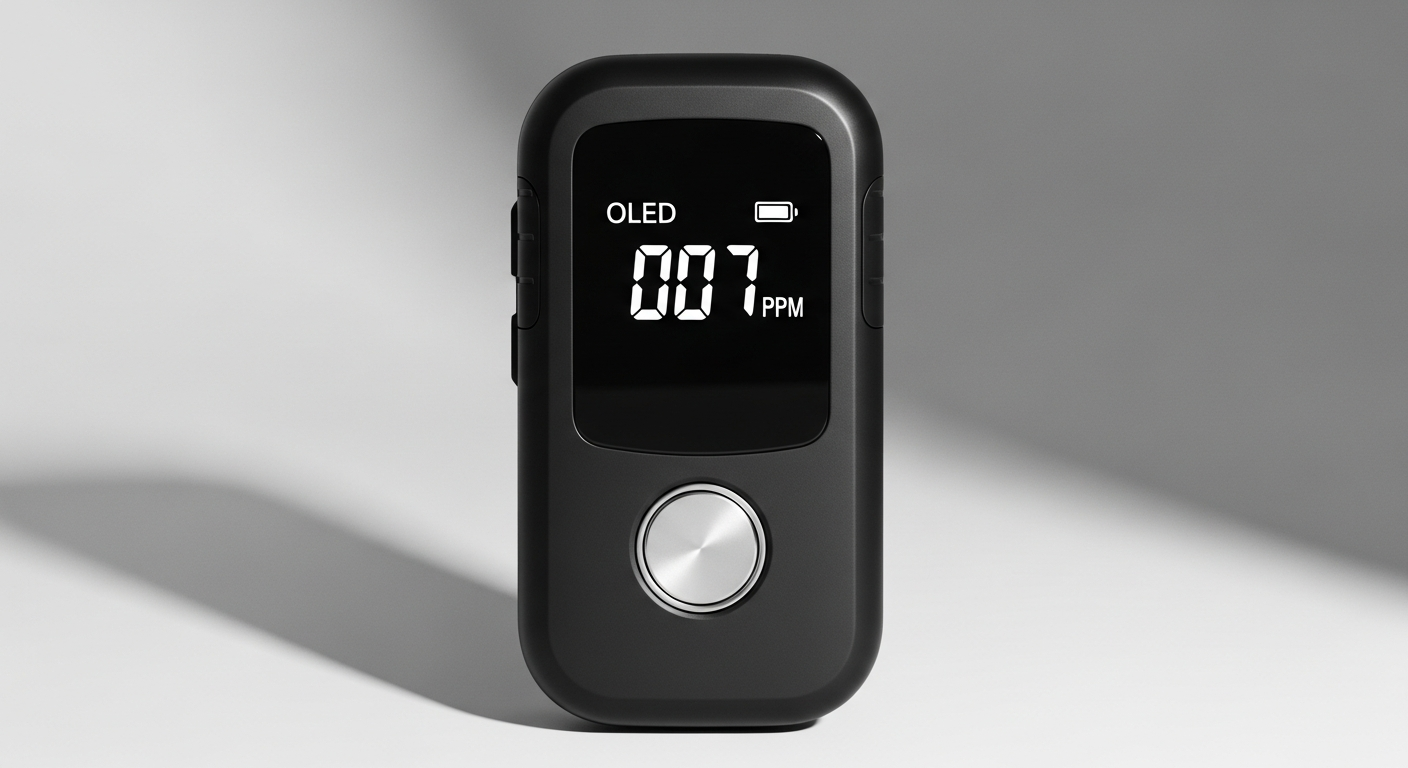
Loading comments...