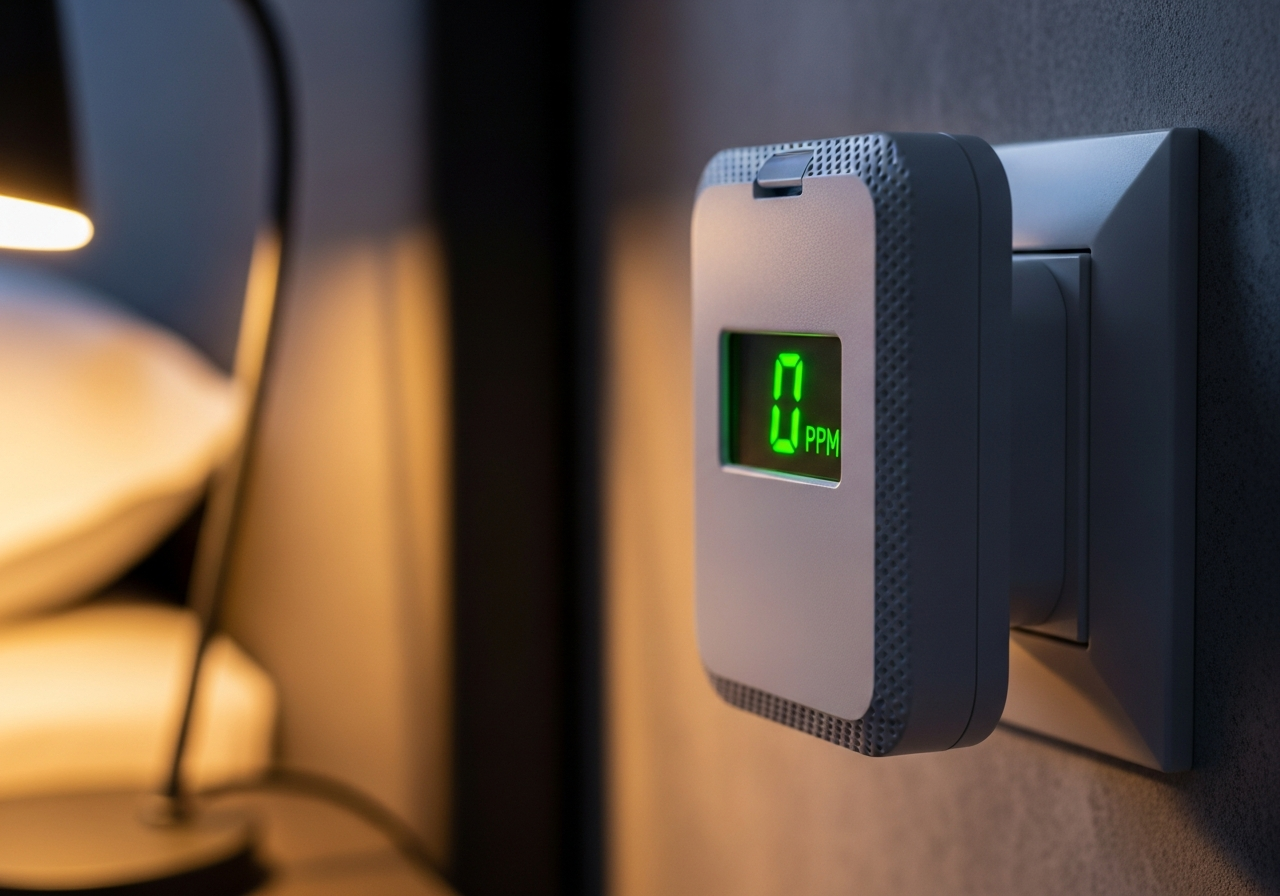
The portable carbon monoxide detector market is cluttered with products that look nearly identical on a product listing — similar prices, similar shapes, similar marketing language — and perform completely differently when it matters. The difference is not visible from the outside. It is in the sensor technology, the alarm calibration, the display accuracy, and whether the device was designed to tell you something or just to be cheap enough to appear on a shelf. This guide breaks down the five criteria that separate the best portable carbon monoxide detector from the rest, explains why each one matters, and identifies the specific specifications to verify before you buy. Getting this right is not a minor convenience decision — it is the difference between a device that shows you 22 PPM in a hotel room before you go to sleep and one that shows you nothing until the paramedics are already in the hallway. Digital Carbon Monoxide Detector: Why the Number on the Screen Changes Everything
Criterion 1: Sensor Type Is the Foundation of Everything
Every CO detector on the market uses one of two sensor types: electrochemical or metal oxide semiconductor. This single specification determines whether the number on your display means anything. Electrochemical sensors work by measuring an electrical current generated when CO molecules react at an electrode. This process is highly selective to CO, resistant to interference from other gases, and produces stable, accurate readings across a wide range of temperatures and humidity. Metal oxide sensors work by measuring changes in resistance as gases adsorb onto a heated metal surface — a mechanism that is less selective, more affected by temperature and humidity, and prone to drift over time. The practical consequence for a portable detector: a metal oxide sensor may read 18 PPM when the true concentration is 3 PPM, or read 5 PPM when the true concentration is 22 PPM. In a 2019 independent evaluation published in the Journal of Exposure Science and Environmental Epidemiology, consumer CO detectors using metal oxide sensors showed average measurement errors of 30-40% at low concentrations — precisely the range where a portable detector is most useful. No display, no matter how large or bright, can make a metal oxide sensor reading reliable. The sensor is the product. Everything else is packaging. How Does a Carbon Monoxide Detector Work? A Clear Explanation Takeaway: the sensor type is the single most important specification in any CO detector — electrochemical means accurate; metal oxide means the number may be unreliable precisely when it matters most.
Criterion 2: A Live Numeric Display Changes What You Can Do
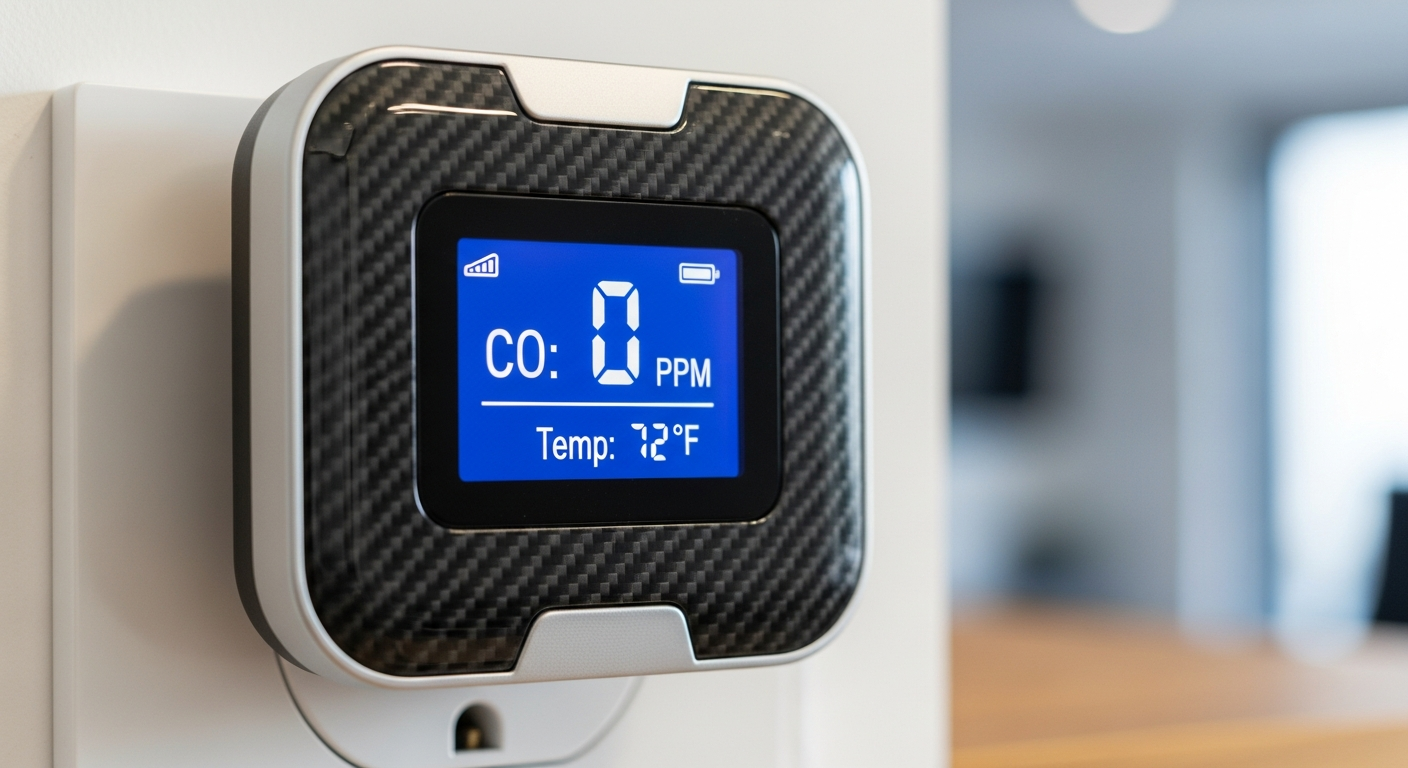
The second defining criterion of the best portable CO detector is a live numeric display showing actual PPM concentration. The alternative — an LED or light-based indicator that shows green/yellow/red — tells you only whether you have crossed a manufacturer-defined threshold. It tells you nothing about where within a range you are, and nothing at all below the threshold. In a hotel room or vacation rental, the difference between 0 PPM and 30 PPM is invisible to an indicator-only detector and immediately visible on a numeric display. Thirty PPM in a sleeping room is not safe — it can cause headaches and fatigue in sensitive individuals during a full night of occupancy — but it will show green on an indicator-only unit until it climbs further. The practical use case for a live display is straightforward: you plug in the detector, you read 14 PPM, and you open the window and call the front desk. With an indicator-only unit, you see green and go to sleep. A live numeric PPM display transforms a passive alarm device into an active environmental monitor — the number tells you what action to take, not just whether a threshold has been crossed. Carbon Monoxide PPM Levels Explained: What's Safe, What's Dangerous Takeaway: a numeric display is not a premium feature — it is the feature that makes a portable CO detector useful in the everyday situations that don't trigger alarms.
Criterion 3: UL 2034 Certification and What It Guarantees
UL 2034 is the U.S. standard governing carbon monoxide detector alarm thresholds, response times, and false-alarm resistance. A UL 2034-certified portable CO detector has been independently verified to alarm within specific time windows at specific CO concentrations — providing a baseline guarantee that the alarm function works as intended. What UL 2034 does not certify: accuracy at low concentrations below alarm thresholds, the quality of the live display reading, or the sensor's resistance to drift over time. These are the dimensions where the differences between products are largest. For a portable CO detector, UL 2034 certification is a necessary condition, not a sufficient one — it confirms the alarm works, but tells you nothing about the display accuracy. The best portable CO detector has UL 2034 certification AND an electrochemical sensor AND a live numeric display — all three, not one or two. A CO detector with UL 2034 certification but a metal oxide sensor and no live display is certified to alarm at dangerous levels, but provides no protection in the 0-70 PPM range where the most preventable harm occurs. Plug-In Carbon Monoxide Detectors: Who Needs One and What to Look For Takeaway: UL 2034 certification is the floor, not the ceiling — it confirms the alarm works at crisis levels, but does not address the sub-threshold range where a live display earns its value.
Criterion 4: Plug-In Operation vs. Battery Dependency
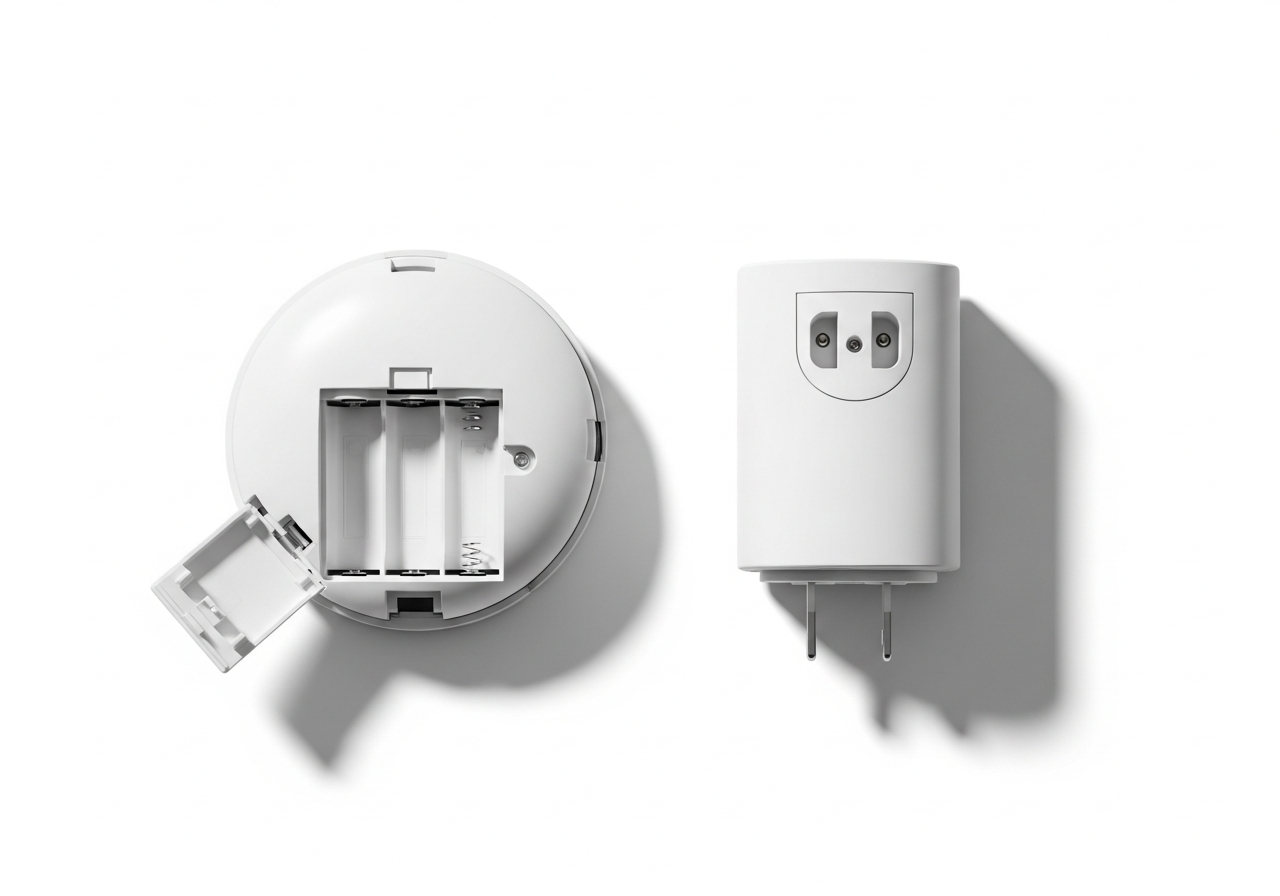
The form factor debate — plug-in vs. battery-operated — has a clear answer for most portable CO detector use cases. Battery-operated units introduce two failure modes that plug-in units eliminate. First, battery depletion: as batteries drain, electrochemical sensor accuracy degrades, and the chirping low-battery alert that would alert you at home is easy to miss in the middle of a hotel stay. Second, forgotten battery replacement: most battery-operated CO detectors chirp once a year, the battery gets replaced, and the cycle resets — but in a travel kit that lives in a bag for months, no one is replacing the battery on schedule. A plug-in unit with continuous power is always at full operating capacity. The counterargument for batteries is that outlets are not always available — valid for tents, remote cabins, and true off-grid use cases. For hotel rooms, Airbnbs, RVs, and any space with accessible electrical outlets (which covers the vast majority of portable detector use cases), a plug-in unit is categorically more reliable. The most common failure mode for portable CO detectors that cause harm is not sensor malfunction — it is dead batteries in a device the user believed was functioning. A plug-in unit eliminates that failure mode entirely. Takeaway: for hotel, vacation rental, and RV use, plug-in operation removes the single most common real-world failure mode — no batteries means no dead-battery failures.
Criterion 5: Universal Voltage for International Travel
The fifth criterion separates a portable CO detector that works everywhere from one that only works at home. The U.S. electrical standard is 110-120V. Europe, Asia, Africa, and most of South America use 220-240V. A U.S.-standard CO detector plugged into a European outlet without a voltage converter will be damaged or destroyed. A CO detector with universal 100-240V input works in any country's outlet with nothing more than a plug adapter. For international travelers, this specification is non-negotiable. For domestic travelers, it is still relevant — RV shore power, some older hotel room outlets, and various regional infrastructure variations can deliver voltage outside the standard residential range. Universal 100-240V input means the detector is a genuine travel device rather than a U.S.-only device that requires additional accessories to use internationally. A portable CO detector without universal voltage input is, in practice, a domestic-only device — and the category of risk it is meant to address does not stop at the U.S. border. This Portable Travel CO Detector Could Save Your Life Takeaway: universal voltage is the specification that makes a portable CO detector genuinely portable for international travelers — without it, a voltage converter adds bulk and a second potential point of failure.
The best portable carbon monoxide detector is not the cheapest option on the shelf, and it is not necessarily the most expensive. It is the one that checks all five criteria: electrochemical sensor, live numeric display, UL 2034 certification, plug-in operation, and universal 100-240V input. The AirShield™ 3-in-1 Portable Carbon Monoxide Detector is the only portable CO detector in its class that meets all five — and adds methane and propane detection on the same device. OLED display, Smart M8 electrochemical chip, UL 2034 certified, plug-in, and universal voltage with international adapters included. Visit airshield.store to see it.
Frequently Asked Questions
Sources & References
- UL 2034: Standard for Single and Multiple Station Carbon Monoxide Alarms — UL standard defining alarm threshold requirements and sensor accuracy standards for residential CO detectors
- CPSC: Selecting and Using Carbon Monoxide Detectors — CPSC guidance on CO detector types, placement, and certification
- NIOSH: Carbon Monoxide Occupational Exposure Limits — NIOSH REL of 35 PPM as the 8-hour TWA for occupational CO exposure
Protect Your Home with AirShield™
The only portable CO detector that shows you real-time PPM readings on a live OLED display. Electrochemical sensor, multi-gas detection, UL listed.
Check Availability →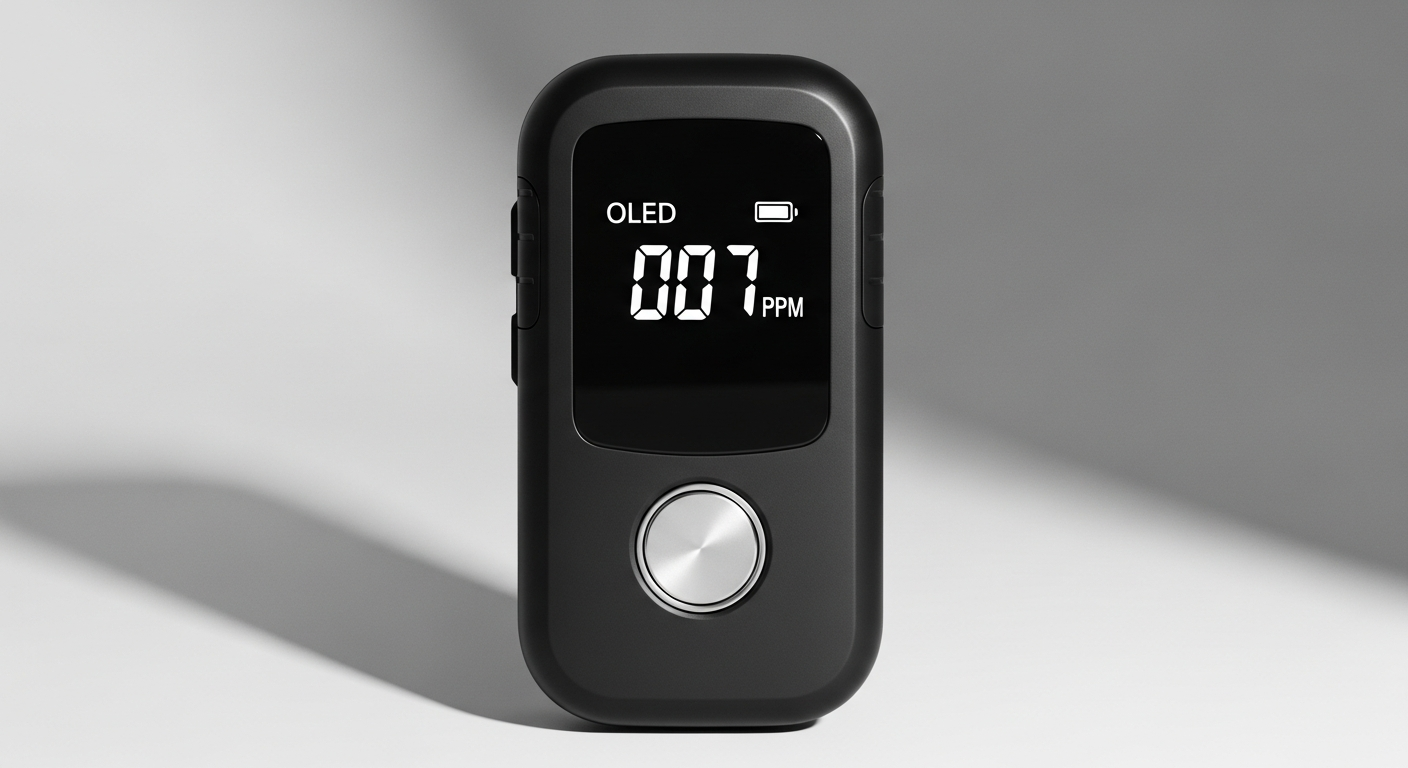
Loading comments...