Your CO alarm hasn't beeped once. But the air in that rental cabin has had 55 PPM of carbon monoxide all night. You wake up with a headache and feel tired — and you think it's just the travel. A carbon monoxide detector with a PPM display would have shown you that number the moment you plugged it in. Standard alarm-only detectors stay silent below their alarm threshold, even when CO is building up to dangerous levels. According to the CPSC, UL 2034-compliant alarms are not required to trigger below 70 PPM for up to four hours — meaning you can be exposed to harmful CO for most of the night with zero warning. In this article you'll learn exactly what the difference is between a CO detector with a PPM display and an alarm-only model, why that screen matters more than most people think, and what to look for when you choose a detector for your home or your next trip.
What does a CO detector with a PPM display actually show you?
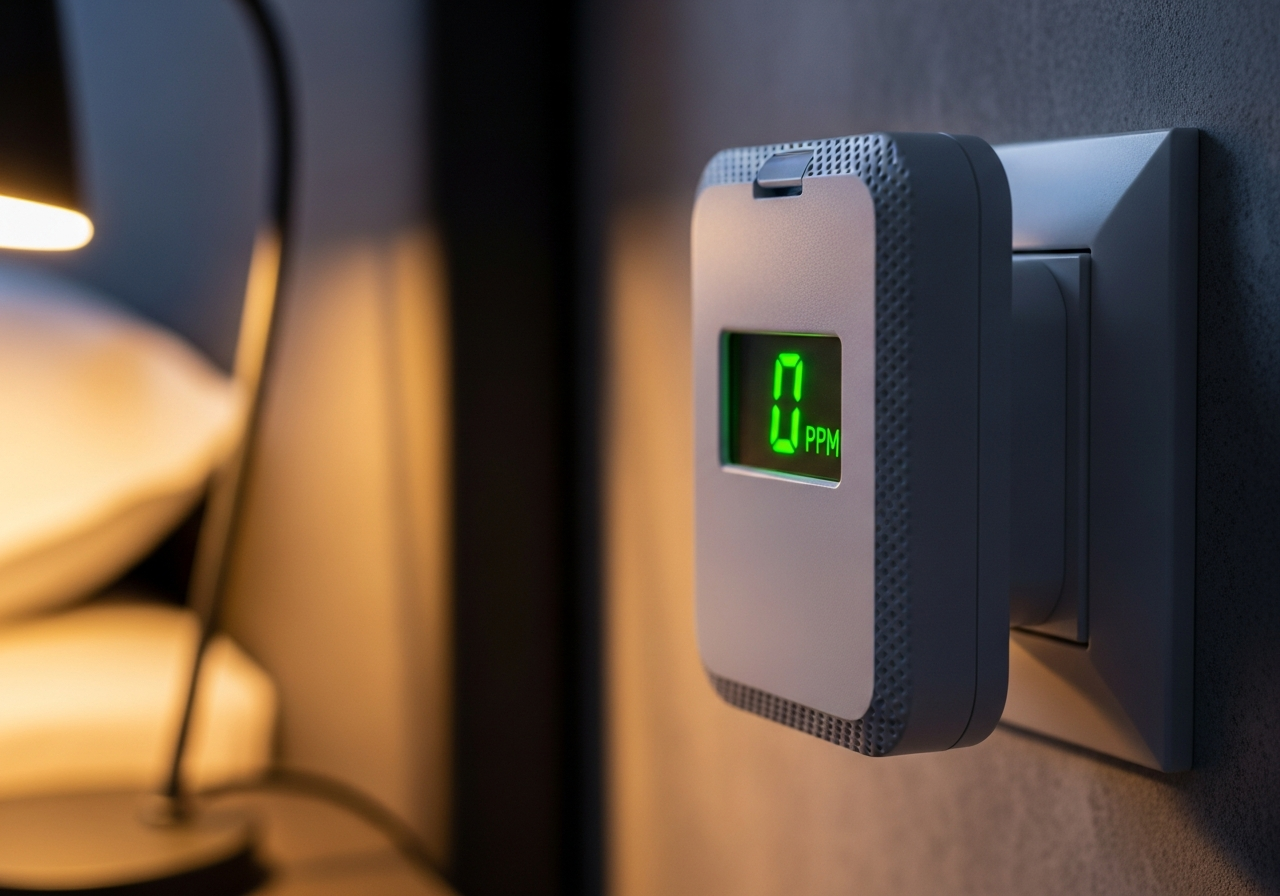
A PPM display gives you a live number. Right now. Not just an alarm when things get bad. PPM stands for parts per million. It measures how many CO molecules are in the air compared to everything else. Clean indoor air should read close to zero. A reading of 35 PPM is a warning sign. At 150 PPM, you're in danger — fast. An alarm-only detector is essentially a trip wire. It does one thing: it screams when CO crosses a preset threshold. That threshold, set by UL 2034, is 70 PPM sustained for one to four hours, or 150 PPM for 50 minutes, or 400 PPM for only four minutes. Below those levels? Total silence. A detector with a live PPM screen shows you CO at 10, 20, or 40 PPM — levels that won't trigger any alarm but can absolutely make you feel sick after hours of breathing them. This matters most when you're sleeping somewhere unfamiliar — an Airbnb, a vacation cabin, an RV. You can't assess what you can't see. A live reading gives you the power to act early, before CO climbs high enough to trigger the alarm. Carbon Monoxide PPM Levels Explained: What's Safe, What's Dangerous Takeaway: A PPM display turns a passive alarm into an active monitoring tool — you see the danger, you don't just wait to hear it.
Can you have CO poisoning without the alarm going off?
Yes. And it happens more than most people know. The CDC reports that CO sends more than 100,000 Americans to the emergency room every year. Many of those cases involve low-level exposure — the kind that builds slowly and never triggers a standard alarm. Think about what happens when you sleep in a room with 50 PPM of CO for eight hours. That level won't set off a UL 2034-compliant alarm. But your body absorbs CO the entire time you're sleeping. You wake up with a headache, feel groggy, maybe slightly nauseous. Most people blame a bad night's sleep, dehydration, or too much wine at dinner. NIOSH sets its ceiling limit for CO exposure at 200 PPM, but even steady exposure at 35–50 PPM over several hours is enough to cause symptoms in children, elderly people, and anyone with heart or lung conditions. This is the gap that alarm-only detectors leave wide open. They protect you from acute, high-level CO events. They do almost nothing for slow, low-level exposure overnight. A live PPM display closes that gap. You see 40 PPM at bedtime, you open a window. You see 60 PPM at 2 a.m. — if you're awake — you get out. The number is information. Information lets you decide. Carbon Monoxide Poisoning While Sleeping: The Real Risk Takeaway: Silent, sub-threshold CO exposure is real — and a live PPM reading is your only reliable way to catch it.
Why do most cheap CO detectors skip the PPM display?
It comes down to cost and the minimum required by law. Most jurisdictions require CO detectors to meet UL 2034. That standard is about the alarm — not about information. A detector passes UL 2034 as long as it beeps at the right thresholds. It doesn't need a screen. It doesn't need to show you anything. So manufacturers build to that minimum. A basic CO alarm with a simple circuit and a buzzer can cost very little to produce. Add an OLED display, a high-quality electrochemical sensor, and the processing chip needed to give you accurate live readings — the build complexity goes up. The result? Store shelves and Amazon listings are full of alarm-only detectors. They are legal. They meet the standard. But they leave you with no data below the alarm threshold. Most CO detectors on the market today will not show you any reading at all until the alarm sounds — and by then, you may already be feeling the effects of CO exposure. For a detector you keep at home and never move, a basic alarm may feel like enough. But if you travel — if you stay in rentals, hotels, or sleep in a van or RV — you're constantly walking into spaces where you don't know the history of the air. A live PPM reading changes your ability to assess that completely. Carbon Monoxide in Airbnbs and Vacation Rentals: What Every Summer Traveler Needs to Know Takeaway: Budget detectors are built to the legal minimum — a screen costs more, but it gives you something no alarm alone can: actual air quality data.
What should you look for in a CO detector with a PPM display?
Not all PPM displays are equal. Here's what separates a good one from a gimmick. First, look at the sensor type. Electrochemical sensors are the gold standard for CO detection. They're more accurate than metal oxide sensors and don't drift as fast over time. NIOSH and the CDC both point to electrochemical sensors as the most reliable technology for CO measurement. If the product listing doesn't tell you what kind of sensor it uses, that's a red flag. Second, check the display refresh rate. A live reading should update frequently — at least every few seconds. A screen that only updates every few minutes isn't truly showing you real-time conditions. Third, look for UL listing. UL 2034 certification means the alarm function has been independently tested. It doesn't guarantee display accuracy, but it does mean the core safety function meets a verified standard. Fourth, consider what else the detector measures. A CO detector that also shows temperature and humidity gives you more context. High humidity and a rising CO reading together can tell you more about what's happening in a space than CO alone. A UL-listed CO detector with a live electrochemical PPM display, a fast refresh rate, and multi-sensor data is the most complete protection you can carry with you. Finally, think about portability and voltage. If you travel internationally, you need a detector that works on both 100V and 240V power. Most detectors sold in the U.S. only work on 120V — plug them into a European outlet and they're useless. The 70 PPM Standard Was Designed to Alarm Late — Here's Why That's a Problem Takeaway: Look for an electrochemical sensor, UL listing, fast refresh, and worldwide voltage compatibility — that combination gives you real protection, not just a checkbox.
What Should You Do Right Now?
- Check every CO detector in your home — press the test button on each one and note the manufacture date. Replace any that are more than 5–7 years old.
- If your current detectors are alarm-only, note the rooms where you sleep or spend the most time — those are the highest priority spots to upgrade to a PPM display model.
- If you're staying in a short-term rental this summer, check whether the CO detector on the wall has a visible expiration date. If it's old, dead, or missing — don't assume the air is safe.
- Learn your PPM thresholds: under 35 PPM is watch-and-ventilate territory; 70 PPM and rising means act immediately; 150 PPM or higher means get out and call 911.
- If you cook with propane, use a generator, or sleep in a vehicle or van, put a live PPM detector within a few feet of where you sleep — not across the room.
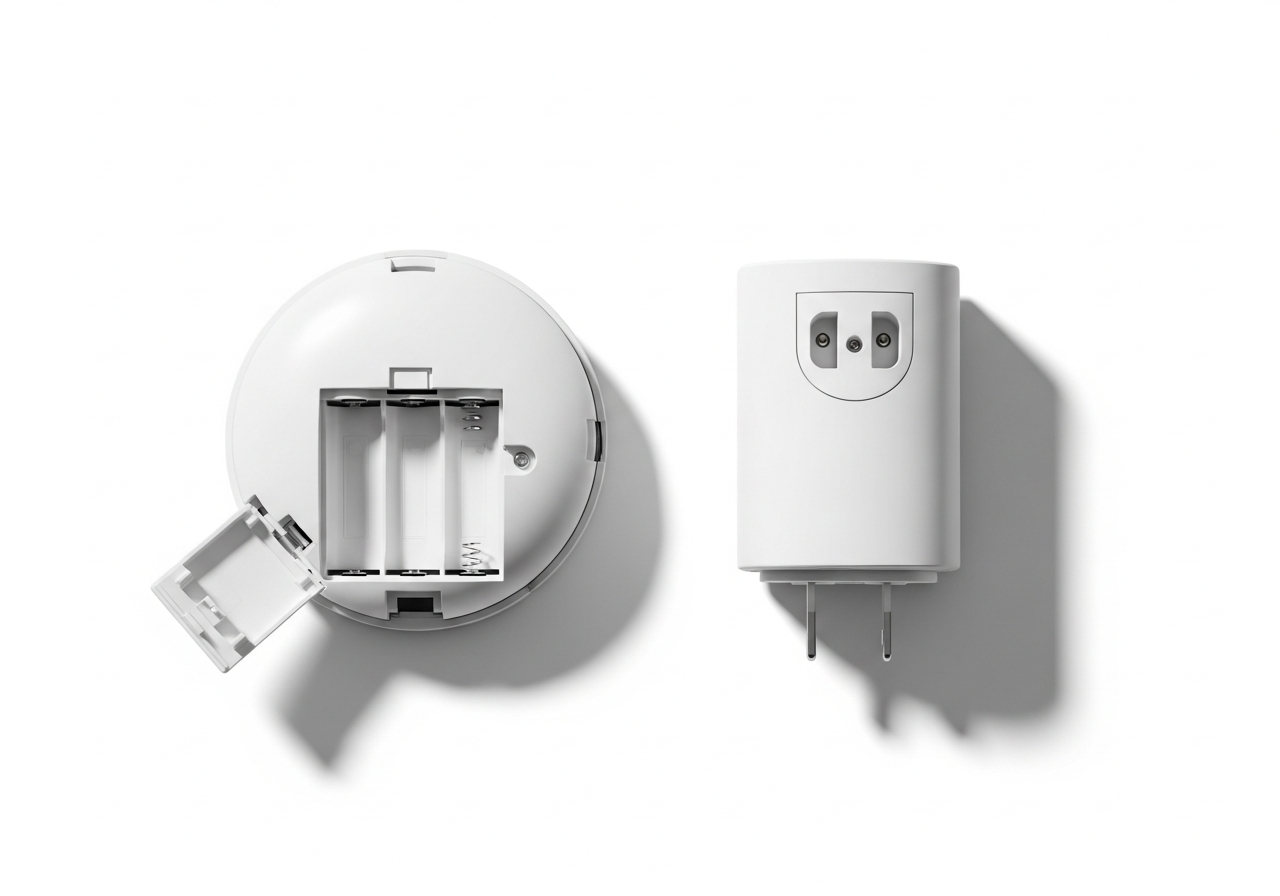
- When traveling internationally, confirm your CO detector is rated for 100–240V before you pack it — most U.S. models will not work on foreign voltage without a converter.
- Share this information with anyone renting out a property — hosts often don't realize their alarm-only detector provides zero warning for low-level, slow CO buildup overnight.
A beep is a last resort. What you really want is a number — a live reading that tells you the air is clean before you close your eyes, and warns you if it isn't. That's the difference between reacting to a crisis and preventing one. If you're ready to travel with that kind of confidence, the AirShield™ 3-in-1 Portable Carbon Monoxide Detector was built for exactly this. It shows live CO PPM, humidity, and temperature on a bright OLED screen, uses a UL-listed electrochemical sensor with a patented Smart M8 Chip, and works anywhere in the world on 100–240V power. Whether you're home, in an Airbnb, or on the road, you can see what you're breathing — not just wait to hear about it. Learn more at airshield.store.
Frequently Asked Questions
Sources & References
- CDC — CO kills approximately 400 people per year in the U.S. and sends more than 100,000 to the emergency room
- CPSC — UL 2034 alarm threshold standard: CO detectors are not required to alarm below 70 PPM for 1–4 hours, meaning sub-threshold poisoning goes undetected
- NIOSH — NIOSH ceiling limit for CO exposure is 200 PPM — above that, symptoms can appear within minutes
- UL — UL 2034 listing standard for residential CO alarms — defines alarm activation thresholds and testing requirements
- NFPA — NFPA requires CO alarms in all homes with fuel-burning appliances and recommends placement near sleeping areas
Protect Your Home with AirShield™
The only portable CO detector that shows you real-time PPM readings on a live OLED display. Electrochemical sensor, multi-gas detection, UL listed.
Check Availability →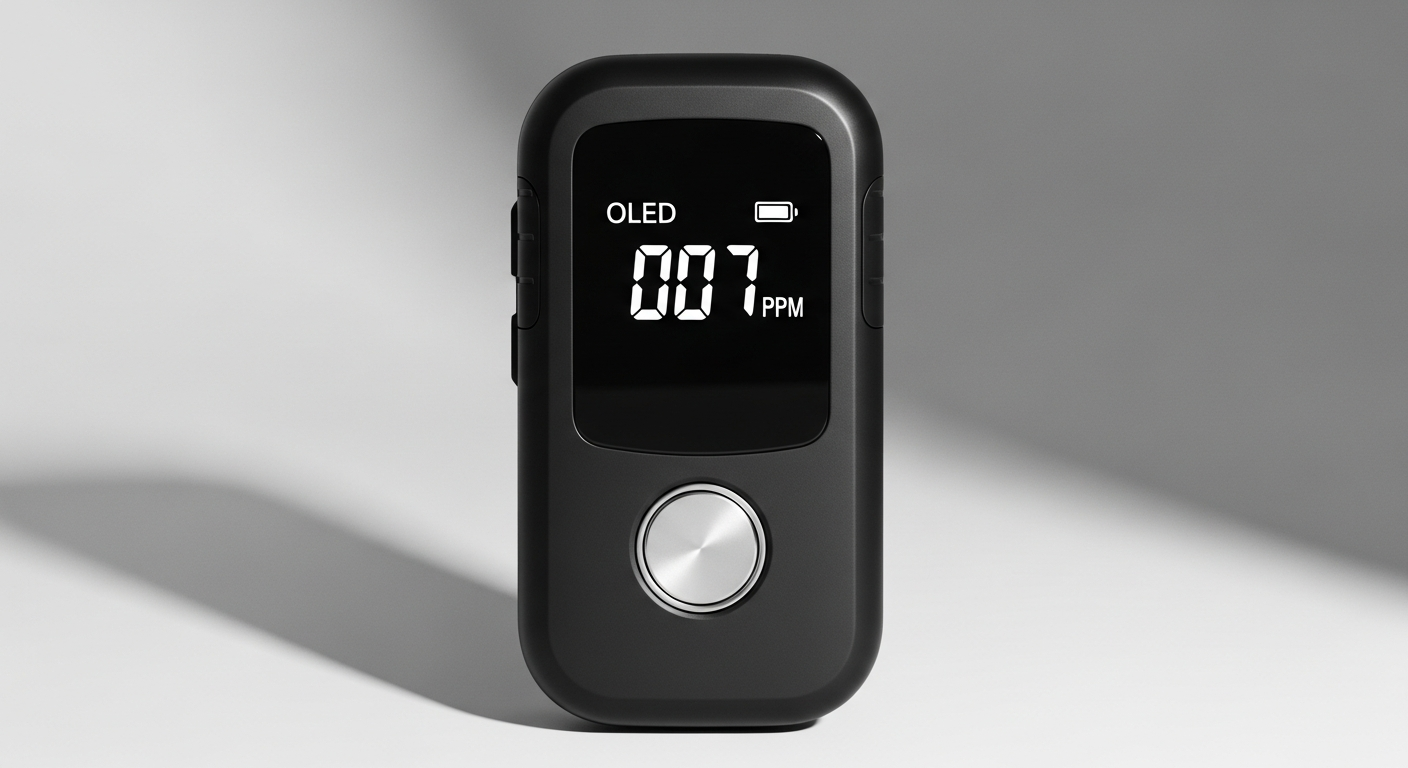
Loading comments...