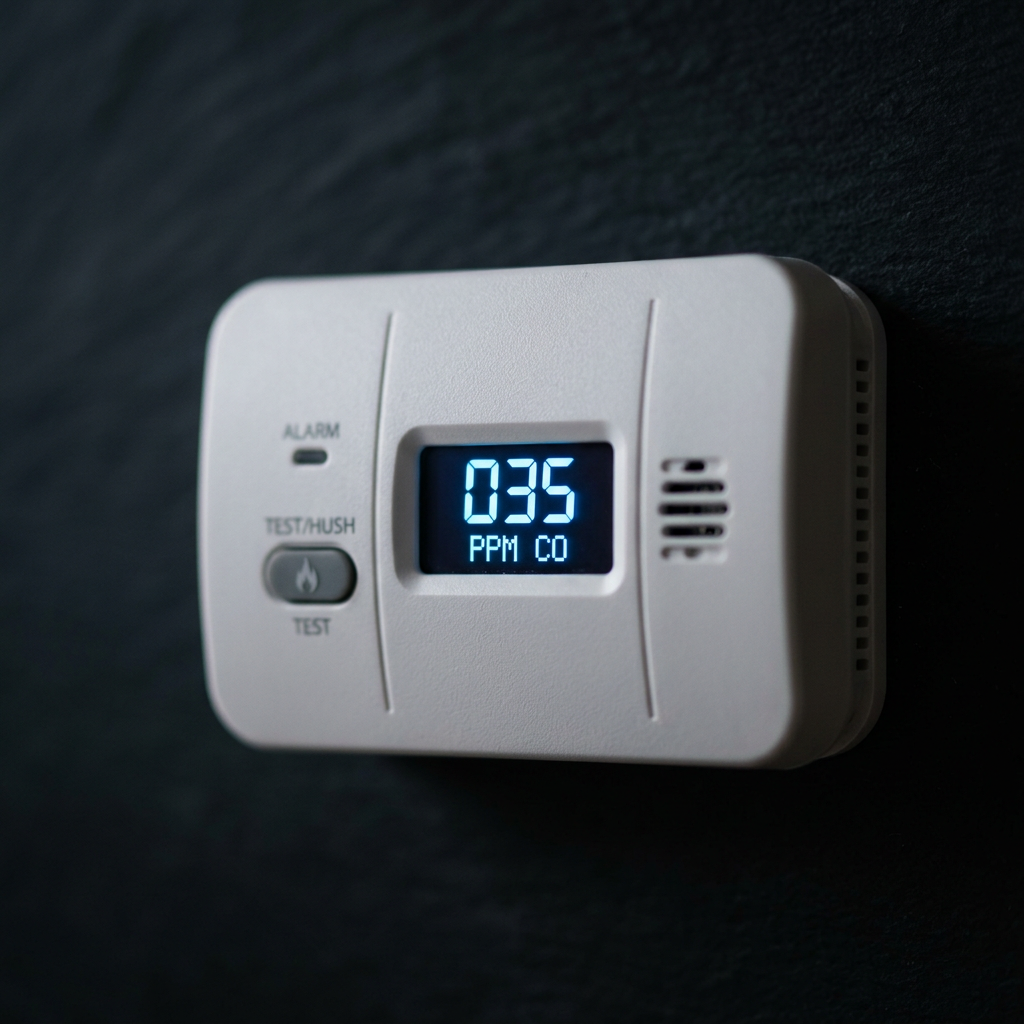
Carbon monoxide detectors in most American homes do exactly one thing: stay silent until the gas in the air crosses a legally defined threshold — then make noise. That is the complete function of the device. The alarm sounds. You hear beeping. You don't know if the reading is 70 parts per million, which warrants an orderly exit, or 400 parts per million, which warrants running. Both scenarios produce the same alarm. You have no more information after the beep than you had before it. A carbon monoxide detector with a live PPM display is a fundamentally different category of device. It shows you the actual concentration of CO in the air — continuously, in real time — whether or not that number has crossed an alarm threshold. That number changes what you can do about what's happening in your home, hotel room, or RV. Carbon Monoxide PPM Levels Explained: What's Safe, What's Dangerous
What PPM Actually Measures — and Why the Number Isn't Arbitrary
PPM stands for parts per million — the number of CO molecules present for every million molecules of air. Outdoor air in a typical city runs between 0.1 and 0.2 PPM. A gas stove that's running normally and venting properly might produce a slight, temporary rise near the burner. A malfunctioning furnace in an enclosed space can drive readings into the hundreds within an hour. The reason PPM matters is that CO toxicity is dose-dependent. The damage it causes is a function of concentration and time: higher concentration shortens the exposure time required for serious injury. A reading of 35 PPM sustained for several hours is very different from a reading of 35 PPM for thirty seconds. A reading of 200 PPM for two hours causes severe poisoning. A reading of 1,600 PPM causes death within an hour. A live PPM reading gives you the concentration half of that equation — the half an alarm-only device withholds from you until the product of concentration and time has already crossed a legal threshold. NIOSH sets the eight-hour occupational exposure limit at 35 PPM. Symptoms — headache, dizziness, fatigue — typically begin around 70 PPM with prolonged exposure. Carbon Monoxide Poisoning Symptoms: What to Know Before It's Too Late Takeaway: PPM is not a technicality — it's the actual measurement that determines how dangerous your exposure is, and an alarm-only detector keeps that number hidden.
How UL 2034 Creates a Legal Blind Spot in Most Home Detectors
UL 2034 is the safety standard that governs almost every residential CO alarm sold in the United States. It defines the minimum threshold at which a detector must alarm: 70 PPM sustained for one to four hours, depending on concentration. This standard was designed to prevent nuisance alarms from brief, low-level CO exposure that wouldn't harm a healthy adult. The tradeoff is that a UL 2034-compliant alarm can legally remain silent while your home's CO concentration sits at 50 PPM for three hours — a level that causes real symptoms in sensitive individuals, particularly children, the elderly, and anyone with a cardiovascular condition. A detector that only alarms is telling you about the past — the accumulated exposure that crossed a legal threshold — rather than what the air contains right now. A live PPM display lets you see 12 PPM ticking up to 18, then 27, and decide to open a window and check your furnace before any alarm triggers. That window of action — between concerning and alarming — is exactly what most detectors don't give you. How Does a Carbon Monoxide Detector Work? A Clear Explanation Takeaway: UL 2034 sets legal alarm thresholds, not safety thresholds — and the gap between those two things is where a live PPM display pays for itself.
What a Live Reading Changes About How You Respond
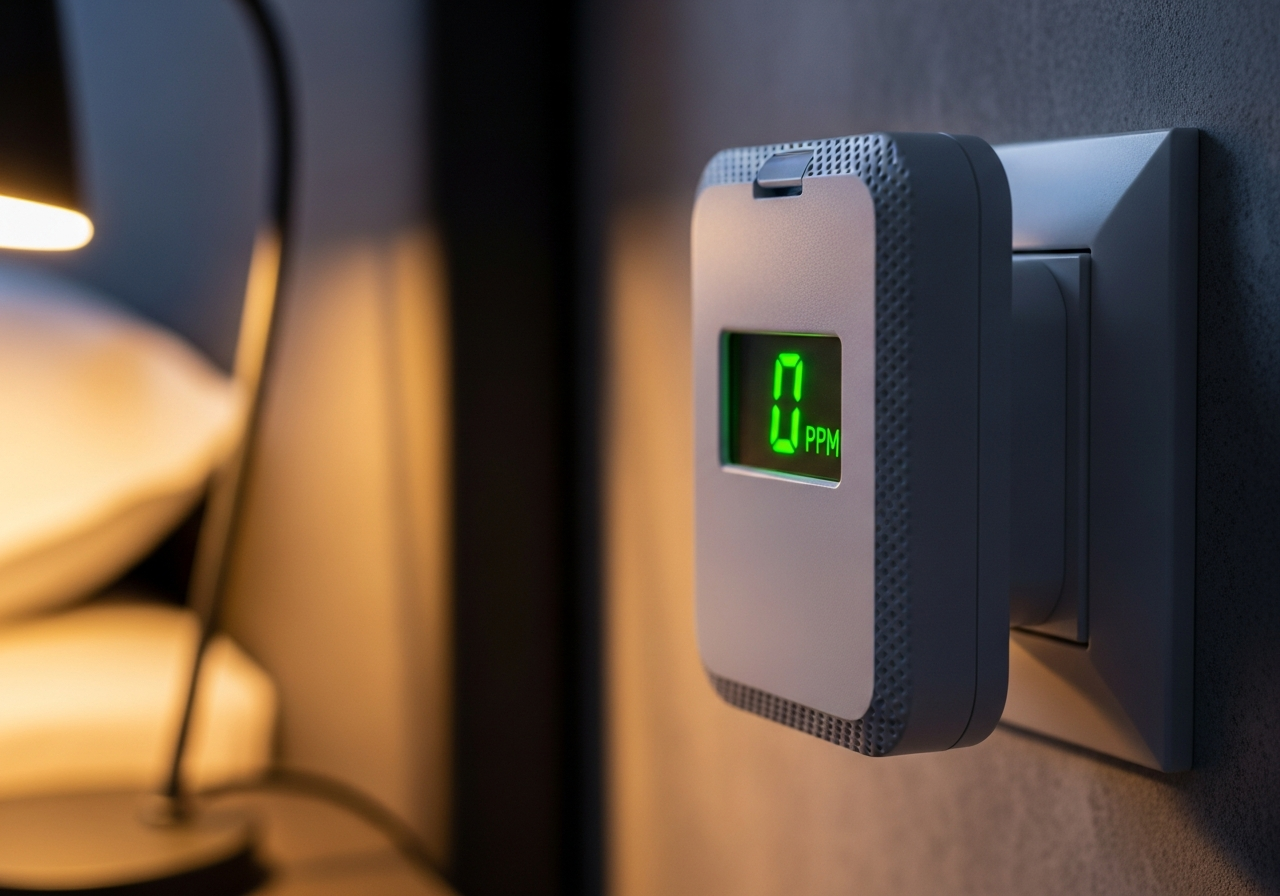
When an alarm-only CO detector sounds, you face an immediate decision with zero additional information: leave now and call 911, or stay and troubleshoot. Every action you could take — cracking a window, moving the detector, checking appliances — could be the right choice or the wrong one, and you have no way to tell which. With a live PPM display, the same scenario gives you data. A reading of 35 PPM that holds steady after you open a window is different from 35 PPM climbing to 60 while you're watching. One suggests a minor source that's venting. The other suggests something actively producing gas. The number doesn't replace the need to act — but it tells you how urgently, and whether what you're doing is working. This matters especially for travelers in hotel rooms or vacation rentals, where you have no context for the space and no history with its appliances. Walking into a room and seeing 0 PPM confirms the air is clean. Waking up to 25 PPM at 3 a.m. tells you to open a window immediately — before any alarm would ever sound. Hotel Carbon Monoxide: Why You Should Bring Your Own Detector Takeaway: a live PPM reading converts an ambiguous alarm into an actionable situation — you know what's happening, whether your response is working, and how urgently you need to move.
Who Benefits Most from a CO Detector with a PPM Display
Alarm-only detectors are designed for the simplest possible use case: a fixed installation in a home with known appliances that gets checked once a year. For that scenario, they're adequate. For several common situations, they're not. Travelers using hotels, vacation rentals, RVs, or boats benefit specifically from a portable detector with a live display, because every new space is an unknown. You have no relationship with the appliances in that room and no baseline for what normal looks like there. A live reading establishes that baseline immediately. Carbon Monoxide Detector for Travel: Your Hotel Safety Protocol Parents of young children benefit because children absorb CO faster than adults, and a reading of 25 PPM that produces no symptoms in an adult may already be affecting a toddler. A live display lets a parent see a number rising and act before any alarm — before the threshold designed for adults — is triggered. People with cardiovascular conditions, the elderly, and anyone taking medications that affect heart rate benefit because their safety threshold is lower than the legal alarm threshold. A CO detector with a PPM display is a monitoring device, not just a warning device — and monitoring is a different, more useful category of safety. Takeaway: the live PPM display matters most to the people for whom the standard alarm threshold offers the least margin — travelers, children, seniors, and anyone with a health condition that lowers their tolerance.
What to Look for When Buying a CO Detector with a Live Display
- Electrochemical sensor — the only technology accurate enough to reliably display PPM; avoid semiconductor sensors in any detector marketed as showing live readings
- UL 2034 listing — confirms the device meets minimum U.S. safety standards regardless of display features
- Continuous display — the PPM reading should update in real time, not only when alarm conditions are met
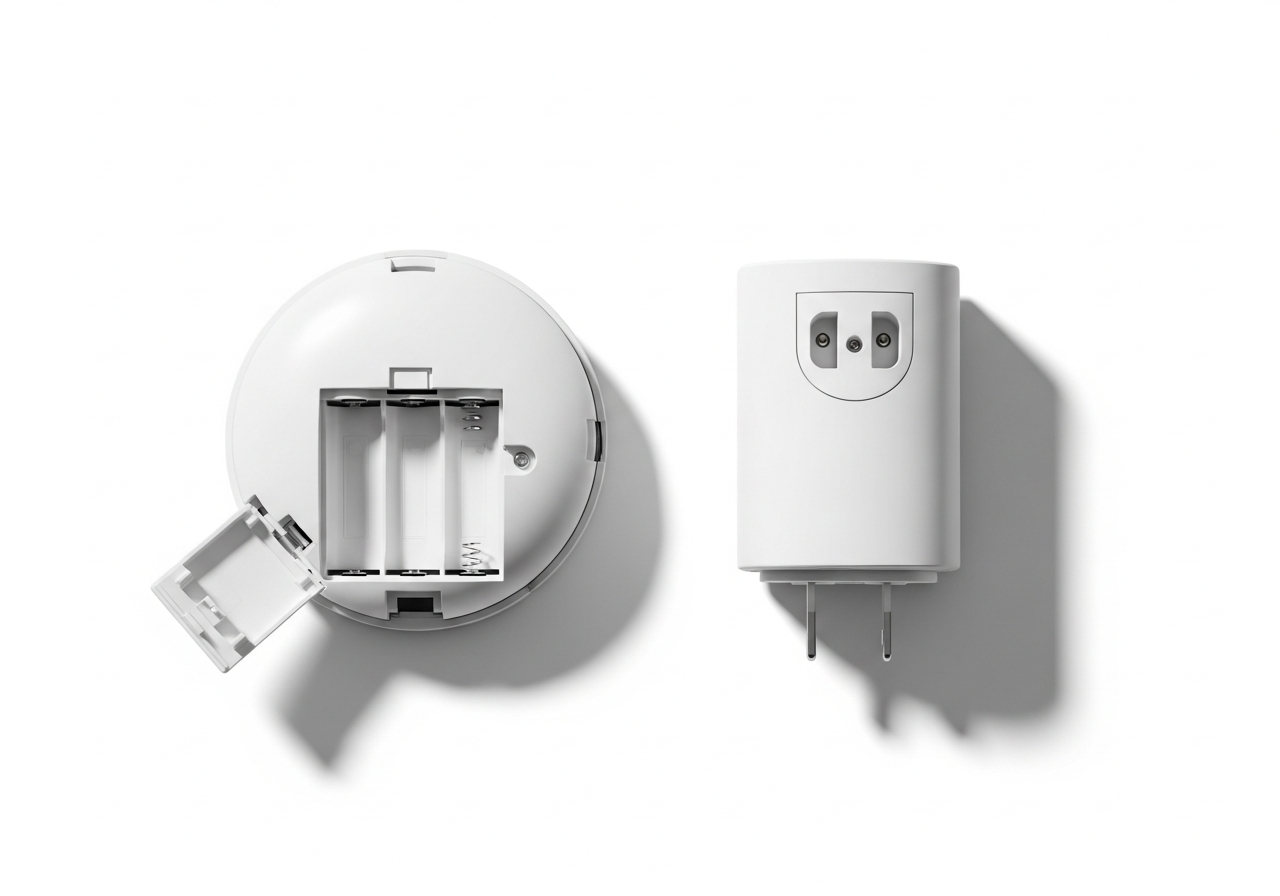
- Portability — a plug-in form factor lets you bring the detector to hotel rooms, vacation rentals, and RV trips, not just use it at home
- Temperature and humidity display — CO detectors that also show these readings use electrochemical sensors capable of multi-gas detection, which indicates a higher-quality sensing platform
- Clear alarm hierarchy — the device should distinguish between different alarm levels (low-level warning vs. emergency evacuation) rather than producing one undifferentiated alarm sound
Most CO detectors are designed to meet a legal minimum: alarm when exposure becomes dangerous enough that a regulator decided an alarm was warranted. That's a useful baseline. It is not the same thing as knowing what's in the air you're breathing right now. The AirShield™ 3-in-1 Portable Carbon Monoxide Detector uses an electrochemical sensor paired with an OLED display that shows live CO PPM, temperature, and humidity continuously — not just when an alarm threshold is crossed. Whether you're at home, in a hotel room, or parked in an RV, you see the actual number. Visit airshield.store.
Frequently Asked Questions
Sources & References
- NIOSH: Carbon Monoxide Pocket Guide — NIOSH occupational exposure limits and health effects for CO.
- CPSC: Carbon Monoxide Information Center — CPSC guidance on residential CO detectors and UL 2034.
- UL 2034: Standard for Single and Multiple Station Carbon Monoxide Alarms — The UL standard governing alarm thresholds for residential CO detectors.
Protect Your Home with AirShield™
The only portable CO detector that shows you real-time PPM readings on a live OLED display. Electrochemical sensor, multi-gas detection, UL listed.
Check Availability →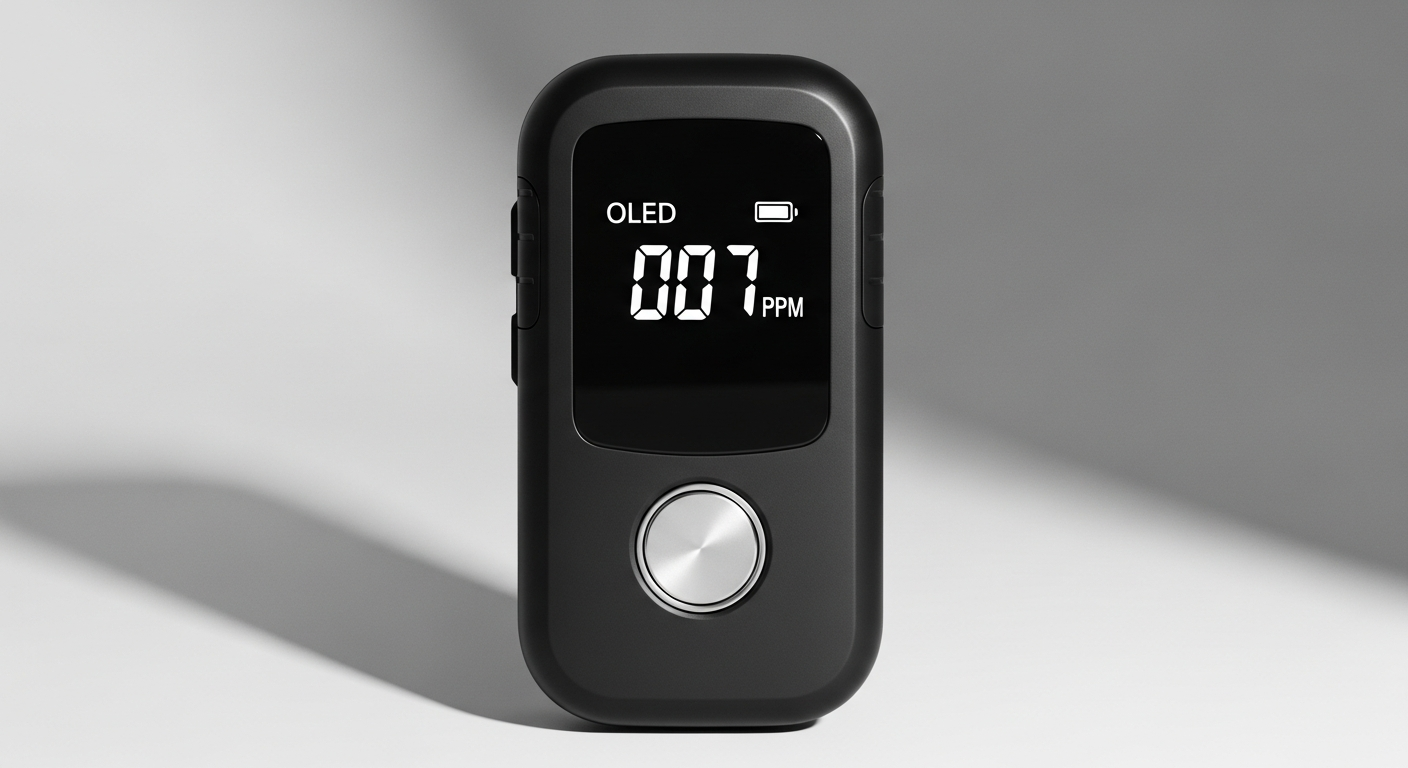
Loading comments...