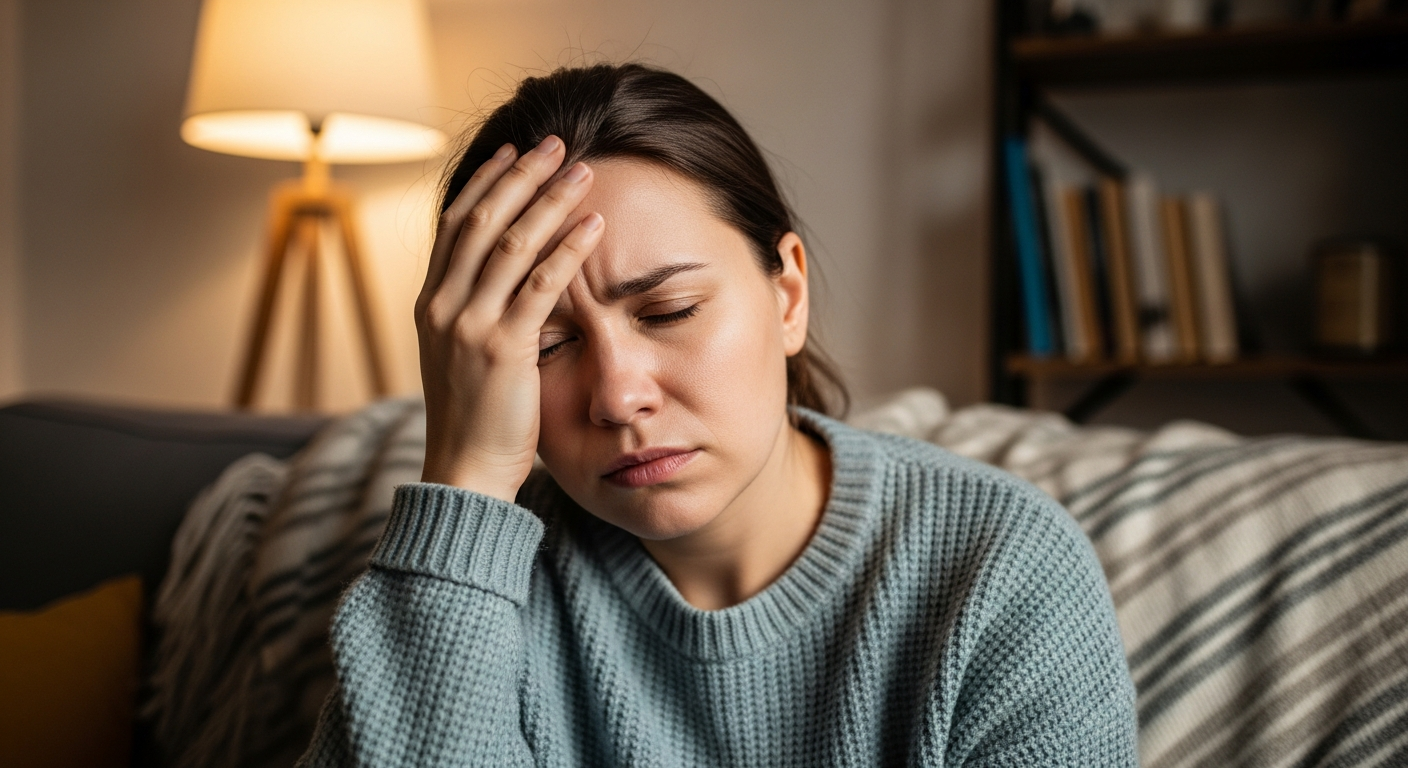
When you breathe carbon monoxide, it enters your lungs and immediately binds to hemoglobin — the protein in red blood cells that carries oxygen. CO binds to hemoglobin approximately 200–250 times more readily than oxygen, forming carboxyhemoglobin (COHb), which cannot carry oxygen and cannot release it — starving your brain, heart, and organs silently, without any smell or warning. According to the CDC, approximately 430 Americans die from unintentional non-fire CO poisoning every year, and more than 50,000 visit emergency rooms. This guide explains exactly what CO does inside your body, what symptoms appear at each stage, how quickly the progression happens, and what to do if you or someone you know is exposed.
What Does Carbon Monoxide Do to Your Body?
Carbon monoxide's toxicity is a direct result of its affinity for hemoglobin. Normal hemoglobin carries oxygen from your lungs to every organ. When CO enters the bloodstream, it displaces oxygen from hemoglobin at a rate 200–250 times greater than oxygen itself can compete with. The resulting compound — carboxyhemoglobin — neither carries oxygen nor releases the CO bond easily. The result is cellular hypoxia: your cells are deprived of oxygen even though your lungs appear to be functioning normally. Your body's oxygen sensors do not detect the problem, your breathing rate does not increase as a compensatory response (as it would with low oxygen), and no alarm goes off — physical or chemical. The organs most affected first are those with the highest oxygen demand: the brain and the heart. At 10–20% COHb saturation, cognitive function begins to degrade. At 30–40%, the heart muscle itself is compromised — CO also binds directly to myoglobin in cardiac tissue, further reducing oxygen availability in the heart's own cells. Reviewed in the New England Journal of Medicine, CO toxicity is described as a 'chemical asphyxiant' — meaning it creates oxygen starvation in tissues despite normal respiratory function, which is why victims do not feel short of breath the way they would in a smoke-filled room. Carbon Monoxide PPM Levels Explained: What's Safe, What's Dangerous Takeaway: CO doesn't block breathing — it makes breathing useless by disabling the protein that delivers oxygen, which is why the body gives no urgent alarm of its own.
How Quickly Does CO Poisoning Happen?
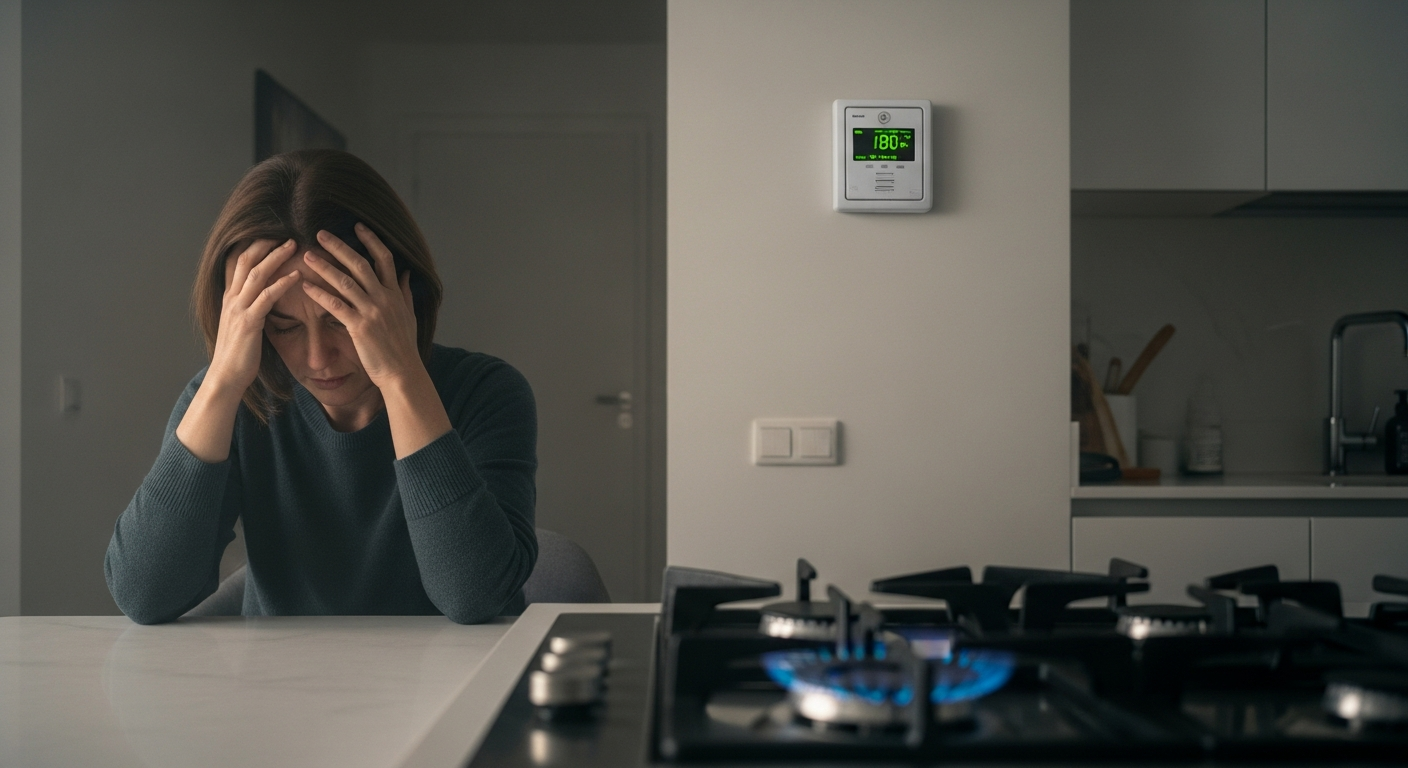
The speed of CO poisoning is determined entirely by the concentration of CO in the air. NIOSH and the CPSC both document concentration-time relationships that show how quickly symptoms progress: **At 35 PPM (NIOSH 8-hour occupational ceiling):** Headache and slight dizziness may develop over prolonged exposure. This is the upper limit considered safe for an 8-hour workday. **At 200 PPM:** Mild headache after 2–3 hours. The UL 2034 standard requires CO alarms to sound at this level within 35 minutes. **At 400 PPM:** Frontal headache within 1–2 hours; life-threatening symptoms within 3 hours. A generator running in an attached garage can reach indoor concentrations of 400 PPM in under an hour. **At 800 PPM:** Dizziness, nausea, and convulsions within 45 minutes; death within 2–3 hours. **At 1,600 PPM:** Headache, dizziness, and nausea within 20 minutes; death within 1 hour. **At 12,800 PPM:** Immediate physiological effect; death within minutes. This level can occur in enclosed spaces near running vehicle exhaust. A generator producing exhaust at typical indoor levels can raise a bedroom from zero to 400 PPM within 30–45 minutes — faster than most people would recognize symptoms while sleeping, which is why the majority of CO fatalities occur at night. Generator Carbon Monoxide: Why It Kills and How to Stay Safe Takeaway: at concentrations a single generator or malfunctioning appliance can produce indoors, the window from first symptom to incapacitation is measured in minutes to hours — not days.
What Are the Symptoms of CO Poisoning at Each Stage?
CO poisoning progresses through predictable stages tied to carboxyhemoglobin saturation in the blood: **Mild (COHb 10–20%):** Dull frontal headache, slight breathlessness on exertion, mild nausea. Symptoms are easily mistaken for the flu or dehydration. Most people continue normal activity during this stage. **Moderate (COHb 20–40%):** Throbbing headache, nausea, vomiting, dizziness, impaired judgment, rapid heart rate. Cognitive function degrades significantly — the ability to recognize the source of symptoms and make decisions about evacuation is already compromised. **Severe (COHb 40–60%):** Confusion, extreme weakness, visual disturbances, loss of coordination, potential collapse. At this stage, self-rescue becomes unlikely without assistance. **Critical (COHb above 60%):** Loss of consciousness, seizures, cardiovascular failure. Without immediate medical intervention, death is likely. Research published in the Annals of Emergency Medicine estimates 20,000–30,000 CO poisoning cases per year are misdiagnosed as flu, migraine, or gastroenteritis because the mild and moderate stages produce symptoms clinically indistinguishable from common illnesses — and no physician can confirm CO exposure without a blood test. The key differential: CO symptoms improve markedly outdoors. Flu does not. If two or more people in the same household have the same symptoms simultaneously, that pattern is characteristic of CO, not infectious illness. Carbon Monoxide Symptoms vs Heat Exhaustion: How to Tell the Difference This Summer Takeaway: CO progresses from flulike symptoms to incapacitation without a clear escalation signal — the moderate stage already degrades the judgment needed to recognize and act on the danger.
How Is Carbon Monoxide Poisoning Treated?
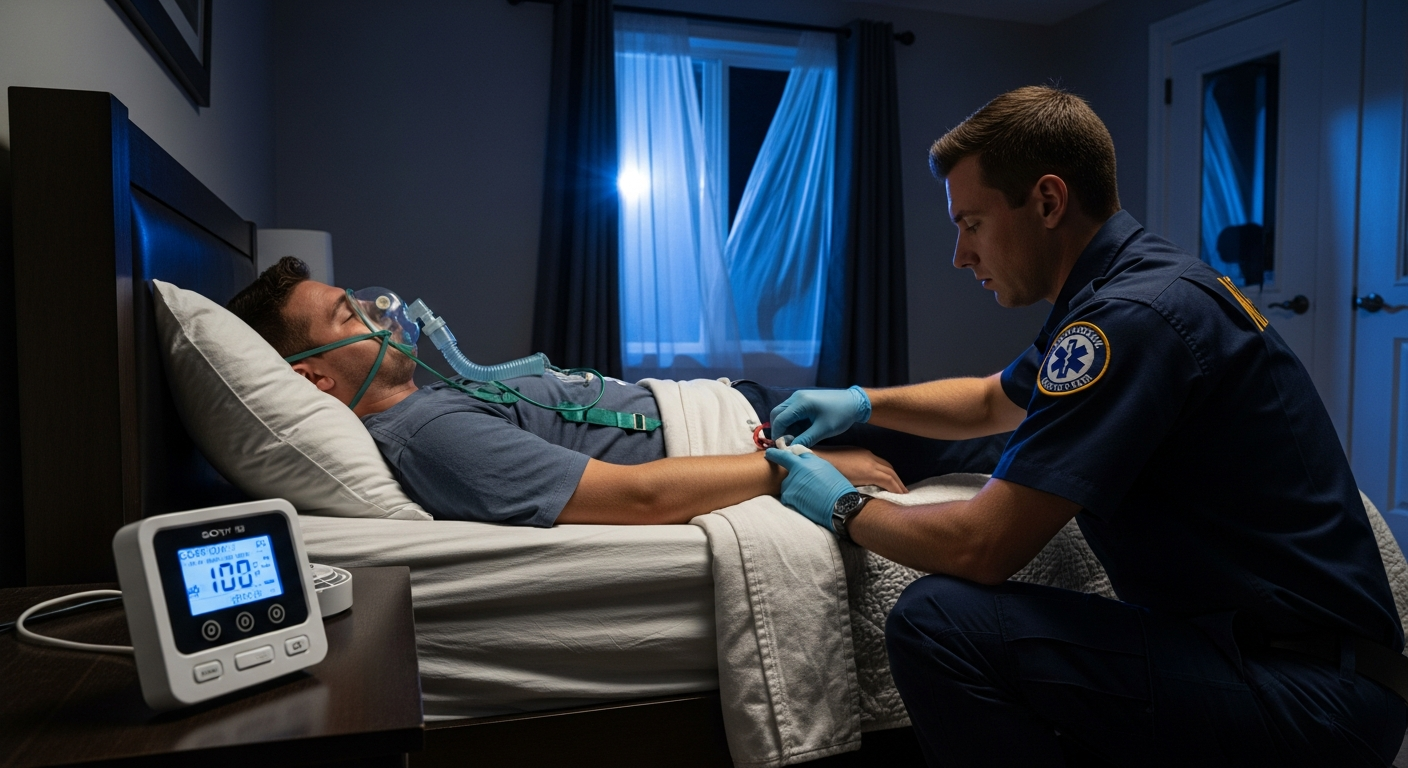
Treatment for CO poisoning has one primary goal: accelerate the elimination of carboxyhemoglobin from the blood by flooding the system with oxygen. In room air (21% oxygen), the half-life of carboxyhemoglobin is approximately 4–5 hours — meaning it takes 4–5 hours for the body to naturally eliminate half the CO bound to hemoglobin. That is far too slow for moderate to severe poisoning. **100% supplemental oxygen via tight-fitting mask:** Administered by emergency responders and in the ER, this reduces the COHb half-life to approximately 60–90 minutes. Standard treatment for mild to moderate poisoning. **Hyperbaric oxygen therapy (HBO):** Breathing 100% oxygen in a pressurized chamber at 2–3 atmospheres reduces COHb half-life to 20–30 minutes. Indicated for severe poisoning — loss of consciousness, COHb above 25%, cardiac symptoms, or neurological signs. HBO also reduces the risk of delayed neurological sequelae, a syndrome in which cognitive symptoms appear 2–4 weeks after apparent recovery. The American College of Emergency Physicians identifies early removal from the CO source and immediate 100% oxygen administration as the two highest-impact interventions — both of which occur before the patient reaches the hospital. First aid before emergency services arrive: get the affected person outdoors immediately, call 911, keep them calm and still to reduce oxygen demand, and do not re-enter the building. Carbon Monoxide Alarm Going Off? Here Is Exactly What to Do Takeaway: treatment outcome depends on speed — the faster the patient is removed from exposure and given oxygen, the better; the carboxyhemoglobin half-life drops from 5 hours to under 30 minutes with proper treatment.
How to Prevent Breathing Carbon Monoxide
Carbon monoxide cannot be seen, smelled, or tasted at any concentration — prevention depends entirely on controlling sources and detecting it electronically.
- Place a CO detector with a live PPM display in every sleeping area and on every floor — alarm-only detectors do not trigger below 70 PPM, leaving the 35–70 PPM range invisible Carbon Monoxide Detector Placement: Exactly Where to Put Yours
- Service all fuel-burning appliances annually — furnace, water heater, gas range, and fireplace; a cracked heat exchanger on a furnace is the most common source of chronic low-level CO in homes
- Never run a generator, gas grill, or any combustion engine inside a garage, basement, or any enclosed space — even with a door or window open Generator Carbon Monoxide: Why It Kills and How to Stay Safe
- Check your CO detector's manufacture date — sensors have a 5–10 year lifespan; an expired sensor gives no alarm at any CO concentration How Long Do Carbon Monoxide Detectors Last? When to Replace Yours
- Bring a portable CO detector when traveling — hotel rooms and vacation rentals have detectors outside your control, with maintenance histories you cannot verify Carbon Monoxide in Airbnbs and Vacation Rentals: What Every Summer Traveler Needs to Know
- If you wake with a headache that improves outdoors, or multiple people in your home feel ill simultaneously, treat it as a CO event — evacuate immediately and call 911
What happens if you breathe carbon monoxide is not complicated — it silently outcompetes oxygen for the protein that keeps your cells alive, and it does it without any sensory warning. The protection is simple: a detector with a live PPM display showing you the number before your body starts showing you the symptoms. The AirShield™ 3-in-1 Portable Carbon Monoxide Detector displays live CO PPM on an OLED screen the moment it is plugged in — at home, in hotel rooms, and anywhere you sleep. Stop waiting for symptoms that arrive too late. Visit airshield.store.
Frequently Asked Questions
Sources & References
- CDC: Carbon Monoxide Poisoning Prevention — CDC data: approximately 430 Americans die annually from unintentional non-fire CO poisoning; 50,000+ ER visits per year
- NIOSH: Carbon Monoxide IDLH — NIOSH immediately dangerous to life or health threshold: 1,200 PPM CO; 8-hour TWA ceiling: 35 PPM
- CPSC: Non-Fire CO Poisoning Deaths — Annual CPSC fatality data by source; nighttime hours disproportionately represented
- Annals of Emergency Medicine: CO Misdiagnosis — Study estimating 20,000–30,000 CO poisoning cases misdiagnosed as flu or migraine annually
- American College of Emergency Physicians: CO Poisoning — ACEP clinical guidance on CO presentation and emergency treatment
- New England Journal of Medicine: Carboxyhemoglobin and CO Toxicity — NEJM review of CO binding to hemoglobin, saturation thresholds, and clinical outcomes
Protect Your Home with AirShield™
The only portable CO detector that shows you real-time PPM readings on a live OLED display. Electrochemical sensor, multi-gas detection, UL listed.
Check Availability →
Loading comments...