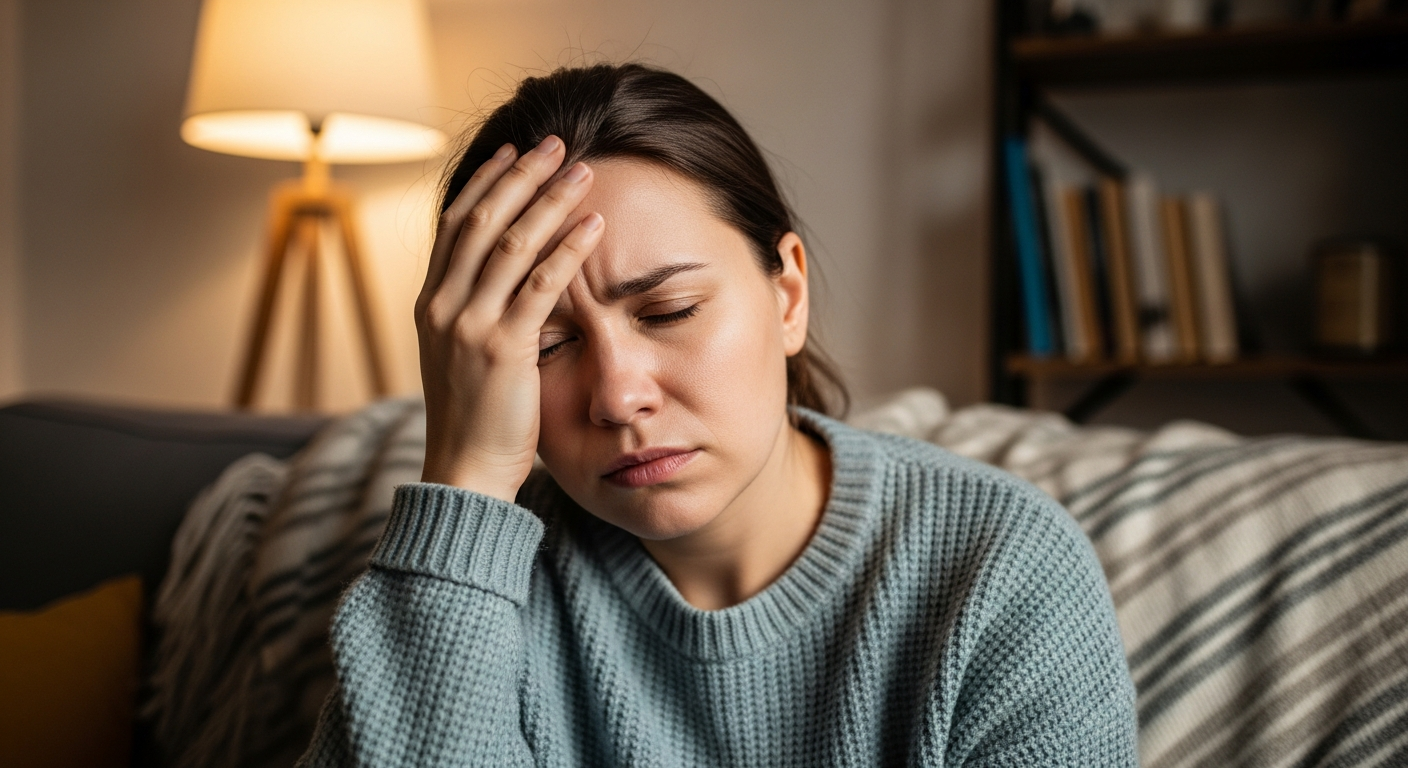
Every summer, the overlap between carbon monoxide symptoms and heat exhaustion sends people to the wrong treatment and keeps them in the space that is poisoning them. The headache that begins at a July cookout near a generator. The nausea that builds while working in a hot garage. The dizziness a family notices after an afternoon in a beach house with the windows shut. Research published in the Annals of Emergency Medicine estimates 20,000–30,000 CO poisoning cases per year are misdiagnosed annually in the US — and summer heat adds a diagnostic layer that makes the error even more understandable and more dangerous. This guide covers the specific symptoms shared by both conditions, the diagnostic tests that distinguish them, the scenarios where both can occur simultaneously, and the one piece of information that resolves the ambiguity fastest.
The Symptom Overlap That Makes Summer CO Diagnosis So Difficult
Carbon monoxide poisoning and heat exhaustion share a set of early symptoms so closely that emergency physicians — not just laypeople — misidentify one as the other in clinical settings. Shared symptoms: - Frontal or diffuse headache - Nausea without vomiting (early stage) - Dizziness and light-headedness - Fatigue and weakness disproportionate to recent activity - Shortness of breath on exertion - Confusion or cognitive fog (moderate to severe cases) Both conditions worsen with physical activity, both are associated with hot environments and summer months, and both produce the kind of gradual onset that people initially attribute to dehydration, the sun, or simply having overdone it. The critical diagnostic question — one that most people never think to ask — is not "what are my symptoms?" but "do my symptoms change when I change location?" This single question resolves most ambiguity. CO poisoning is a location-specific exposure. If you feel worse inside a specific structure and better outdoors, that differential is diagnostic evidence of CO, not heat. Heat exhaustion follows your body temperature, not your address. Carbon Monoxide Poisoning While Sleeping: The Real Risk Takeaway: the shared symptom profile between CO and heat exhaustion makes accurate self-diagnosis nearly impossible without the location test — and the wrong conclusion leaves you in the space causing the problem.
The Key Differences: What CO Poisoning Has That Heat Exhaustion Doesn't
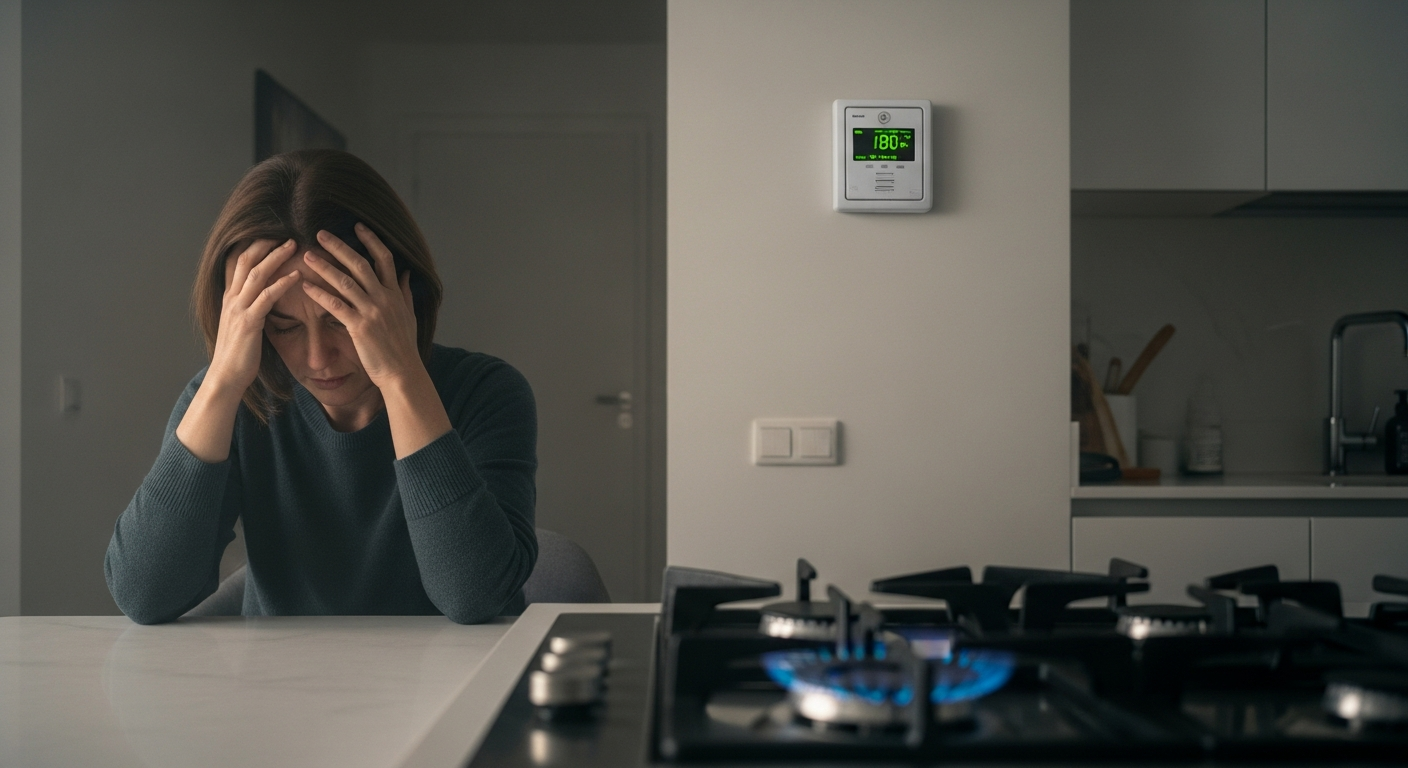
Despite the overlap, several features reliably point toward CO rather than heat illness: **Absence of fever.** Carbon monoxide poisoning does not cause elevated body temperature. Heat exhaustion typically raises core body temperature. Heat stroke causes temperature above 104°F. If someone experiencing the shared symptoms has a normal or below-normal temperature, CO becomes significantly more likely. **Simultaneous onset in multiple people.** CO affects everyone sharing the space at approximately the same time, proportional to their activity level and breathing rate. Heat exhaustion is individual — it depends on how hard each person is working and how well-hydrated they are. If two or more people develop the same symptoms at the same time in the same space, that pattern is a CO signal. **Pets affected alongside humans.** Dogs and birds are more sensitive to CO than humans. A dog that is unusually lethargic, a bird that has fallen from its perch, or a cat trying to exit the building — alongside a family experiencing headache and nausea — is a compound CO signal that should prompt immediate evacuation. Improvement outdoors that reverses when you re-enter the building is the single most reliable differentiator: heat exhaustion improves in any cool environment, while CO symptoms specifically improve when you leave the source and worsen when you return. Carbon Monoxide Poisoning Symptoms: Signs & What to Do Takeaway: no fever, multiple people affected simultaneously, and symptoms that follow location rather than activity level are the three CO-specific features that distinguish it from heat illness.
The Summer Scenarios Where Both Can Occur Simultaneously
Summer 2026 creates specific conditions where CO poisoning and heat exhaustion can compound each other — making each more severe and harder to distinguish: **Working near portable generators in heat.** Outdoor workers and contractors using generators during hot weather face simultaneous heat stress and CO exposure from engine exhaust. CO impairs the cardiovascular system's ability to respond to heat, reducing the body's thermoregulatory function. The combination is more dangerous than either condition in isolation. **Garages and workshops in summer heat.** A hot garage with a running vehicle, a generator, or a gas-powered tool combines high ambient temperature with rapid CO accumulation. Workers attribute early symptoms to the heat and continue working past the point where they would normally respond. **Beach houses and vacation rentals with closed HVAC.** A rental with a malfunctioning furnace or water heater running in summer air conditioning mode produces CO while the house is sealed — simultaneously warm inside from a heat wave outside and toxic from the appliance. Guests attribute nausea and headache to travel fatigue or sun exposure. **Boats.** Marine environments combine sun, heat, physical exertion, and carbon monoxide from onboard engines or generators in a space with restricted ventilation. Swim platforms at the stern are documented CO concentration zones on boats with running engines. When CO and heat stress occur together, the diagnostic and treatment priority should default to CO: evacuate immediately, move to fresh air, call emergency services — the same response handles both conditions. Takeaway: simultaneous CO and heat exposure is not a rare scenario in summer — it is a predictable overlap wherever generators, engines, and hot weather combine.
How to Respond When You Aren't Sure Which One It Is
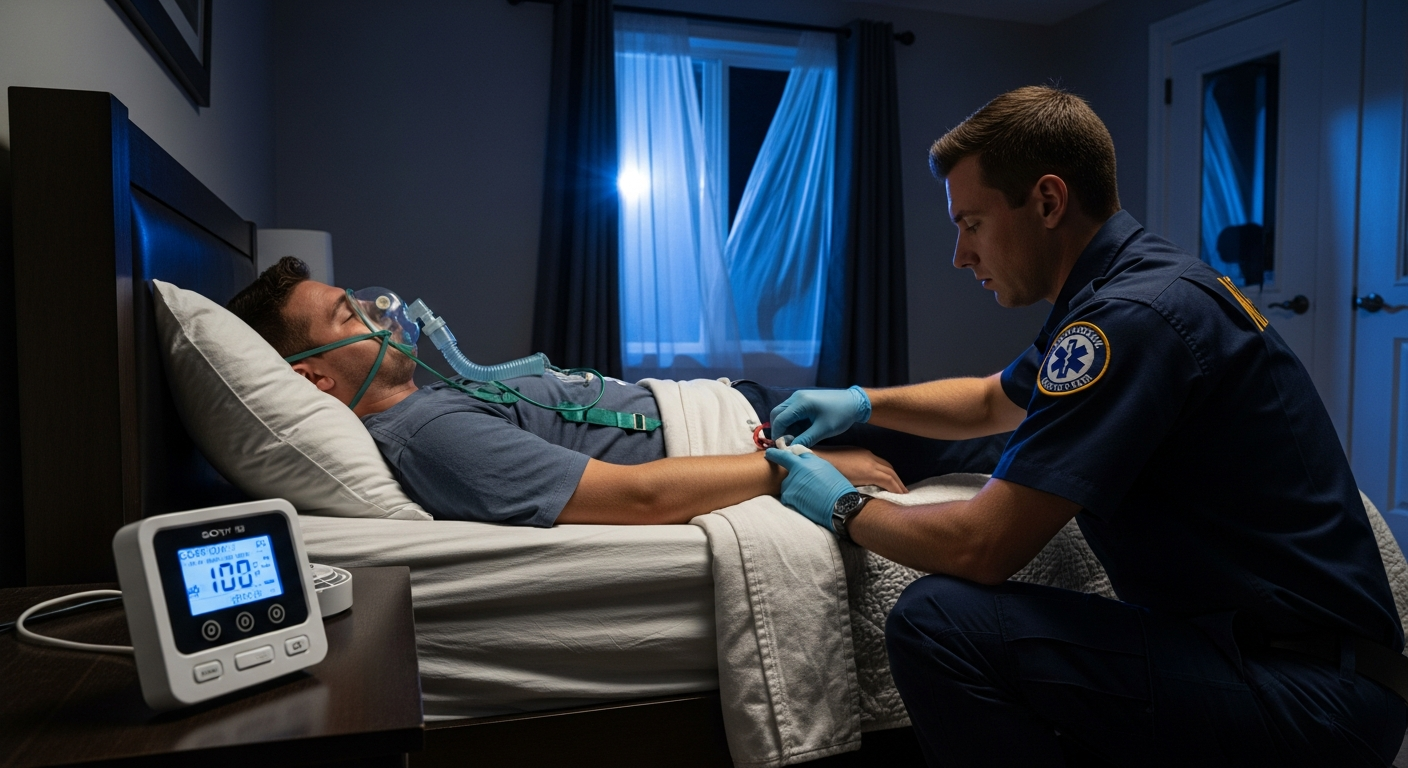
The right response to ambiguity between CO poisoning and heat exhaustion is to default to the CO protocol. The CO evacuation response — get outside, call 911 — also handles heat exhaustion effectively, while the heat exhaustion response — stay inside in air conditioning — keeps you in the space that may be poisoning you.
- Move everyone outdoors immediately — do not wait to confirm which condition it is; fresh outdoor air is the correct first response to both CO poisoning and heat exhaustion
- Note whether symptoms improve outdoors within 15–20 minutes — improvement specifically outdoors and worsening on re-entry is the CO confirmation test
- Check for fever — a temperature above 100°F points toward heat illness; a normal temperature alongside the other symptoms points toward CO
- Assess whether multiple people are affected — simultaneous onset in multiple household members or guests is a CO red flag requiring 911 and investigation before re-entry
- Do not re-enter the structure until either a CO detector confirms safe levels or emergency services have measured concentrations and cleared the space Carbon Monoxide Alarm Going Off? Here Is Exactly What to Do
- For suspected heat exhaustion confirmed outdoors: move to shade or cool indoor space you know is safe, provide cool fluids, apply cool compresses — and continue monitoring for CO signals from the original location
The symptom overlap between CO poisoning and heat exhaustion is not a medical curiosity — it is a documented cause of preventable deaths every summer when people treat CO as dehydration and go back inside. The location test is free, takes 20 minutes, and has saved lives. The technology upgrade is a portable CO detector with a live PPM display — one that shows you 35 PPM building in the garage before the headache starts, so you never have to guess what you are dealing with. The AirShield™ 3-in-1 Portable Carbon Monoxide Detector displays live CO concentrations in real time so you see the number, not just an alarm when it is already dangerous. Don't spend this summer diagnosing by symptoms. Know the number. Visit airshield.store.
Frequently Asked Questions
Sources & References
- CDC: Carbon Monoxide Poisoning Prevention — CDC data on CO poisoning symptoms, incidence, and misdiagnosis rates — approximately 20,000–30,000 cases per year misdiagnosed as flu or other illness
- CDC: Heat-Related Illness — CDC clinical guidance on heat exhaustion and heat stroke symptoms, treatment, and differentiation from other conditions
- Annals of Emergency Medicine: CO Poisoning Misdiagnosis — Study documenting widespread misdiagnosis of CO poisoning as flu, viral illness, and heat-related illness
- NIOSH: IDLH for Carbon Monoxide — NIOSH occupational thresholds for CO exposure; symptom onset concentrations for carboxyhemoglobin saturation levels
- American College of Emergency Physicians: CO Poisoning — ACEP clinical guidance on CO presentation, heat illness differentiation, and emergency treatment protocols
Protect Your Home with AirShield™
The only portable CO detector that shows you real-time PPM readings on a live OLED display. Electrochemical sensor, multi-gas detection, UL listed.
Check Availability →
Loading comments...