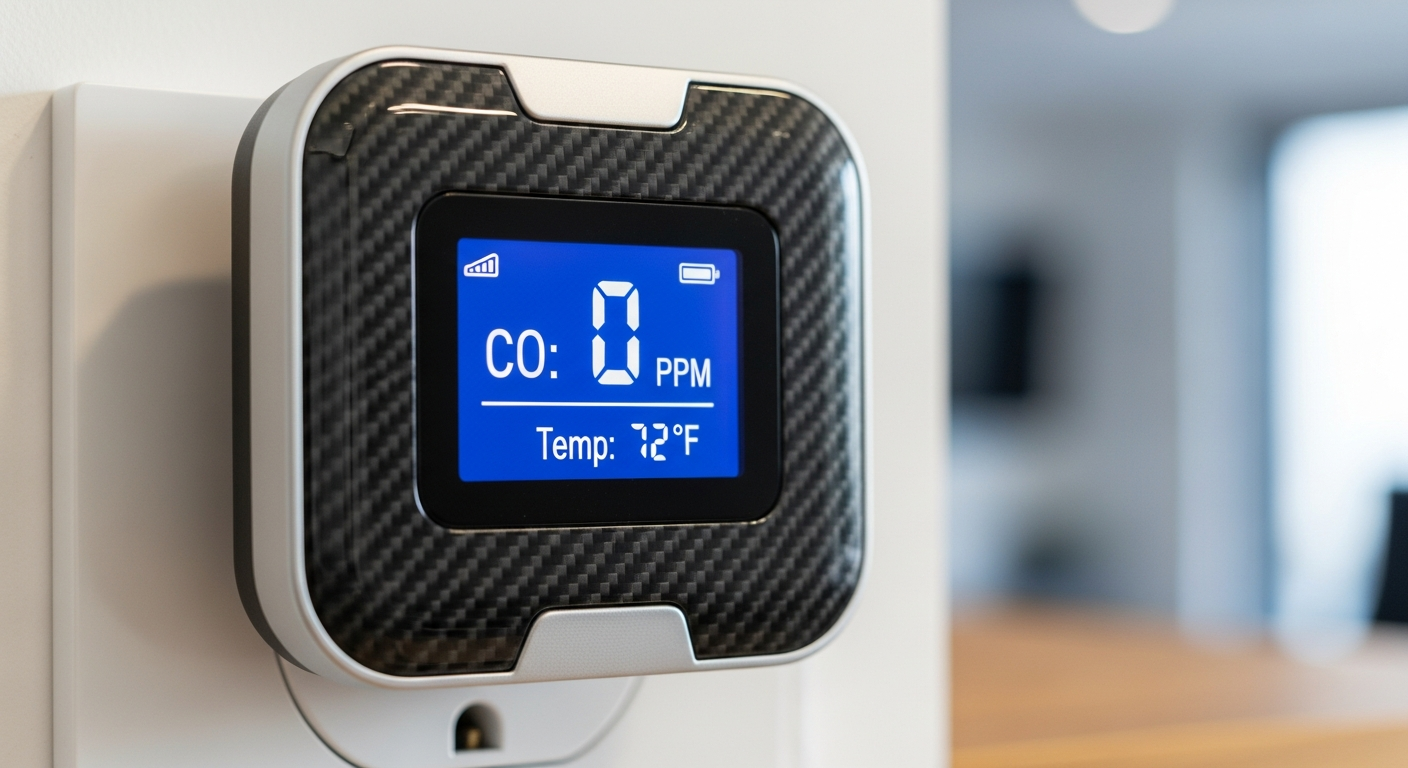
A standard carbon monoxide alarm has one job: sound when CO reaches a dangerous level. It does that job well. What it cannot do is show you anything at concentrations below its alarm threshold — and that threshold is set at 70 PPM for four hours, 150 PPM for 50 minutes, or 400 PPM for four minutes. Everything below those numbers is invisible to an alarm-only detector. A digital carbon monoxide detector changes the equation entirely. Instead of a silent device that only speaks up in a crisis, you have a continuous readout of what's actually in the air — 2 PPM, 14 PPM, 31 PPM — at all times. That number is information. It tells you when a furnace cycle is producing more CO than it should. It tells you when a neighbor's generator is pushing CO toward your house. It tells you whether that headache you've had all week might have an environmental cause. This guide explains why the display matters, what the numbers mean, and what separates a digital CO detector worth buying from one that isn't. Carbon Monoxide PPM Levels Explained: What's Safe, What's Dangerous
What 'Digital' Actually Means — and What It Doesn't
The word 'digital' in CO detectors refers specifically to a numeric display showing the measured CO concentration in real time. It does not refer to wireless connectivity, app integration, or smart home compatibility — though some devices have those features as well. The core value of a digital display is straightforward: you can see a number that means something, rather than staring at a green LED that means 'nothing alarming yet.' The distinction matters because CO exposure is dose-dependent. A sustained reading of 25 PPM over 8 hours delivers a cumulative CO dose that NIOSH — the National Institute for Occupational Safety and Health — considers at the upper boundary of safe occupational exposure, even though no standard residential CO alarm would register any alert at that level. An alarm-only detector presents both 0 PPM and 25 PPM identically: silence. A digital display shows you the difference. What a digital display cannot replace is a quality electrochemical sensor underneath it. A digital readout connected to an inaccurate sensor gives you precise misinformation. The display and the sensor have to be matched — which is why sensor type is the first thing to verify when evaluating any digital CO detector. Low-Level Carbon Monoxide Exposure: The Silent Risk Your Alarm Never Triggers Takeaway: digital means a live numeric PPM display — and the value of that display depends entirely on the accuracy of the sensor behind it.
The Two Sensor Types — and Why It Matters for Your Display Reading
Digital CO detectors use one of two sensor technologies: electrochemical or metal oxide semiconductor. Electrochemical sensors work by measuring an electrical current produced when CO molecules react with an electrode — a process that is highly selective to CO and produces stable, accurate readings across a wide range of temperatures and humidity levels. Metal oxide (or semiconductor) sensors work by measuring changes in electrical resistance as gases adsorb onto a heated metal oxide surface. They are cheaper to manufacture, but they respond to a wider range of gases, drift over time, and are significantly less accurate at low concentrations — precisely the range where a digital display is most useful. If your digital CO detector uses a metal oxide sensor, the number on the display may be less meaningful than it appears — readings can vary by 10–20 PPM from the true concentration depending on humidity, temperature, and the presence of other gases in the environment. For a display to provide genuinely useful information, the sensor behind it needs to be electrochemical. This is the single most important specification to check before buying any digital CO detector. How Does a Carbon Monoxide Detector Work? A Clear Explanation Takeaway: the sensor type determines whether the number on your digital CO detector means something — electrochemical sensors provide the accuracy that makes the display genuinely useful.
What the Numbers Mean: Reading Your Digital CO Display
A digital CO detector is only useful if you know how to interpret what it shows. The PPM scale has clear benchmarks from occupational safety and residential safety standards. Zero to four PPM is normal background — outdoor air typically reads 0–1 PPM in most areas, and indoor air in a home with gas appliances and good ventilation typically reads 1–4 PPM. Five to nine PPM sustained over hours warrants ventilation — open windows, identify potential sources, and monitor for an upward trend. Ten to 35 PPM is the range NIOSH considers the occupational ceiling; a home reading in this range needs investigation and likely appliance service. Thirty-five to 70 PPM is where chronic exposure begins causing measurable physiological effects in most adults; vacate and investigate. Above 70 PPM is where UL 2034 alarms begin their countdown to alarm. The critical insight is that the range most relevant to everyday home safety — the 5 to 35 PPM band where slow leaks and poorly venting appliances operate — is entirely invisible to an alarm-only detector and entirely visible to a digital display. That's the range your digital CO detector earns its place every day, without ever triggering an alarm. Furnace Carbon Monoxide: Why Your Heating System Is the Biggest CO Risk in Your Home Takeaway: understanding the PPM benchmarks turns your digital display from a number into an action guide — each range maps to a specific response.
What to Look For in a Digital Carbon Monoxide Detector
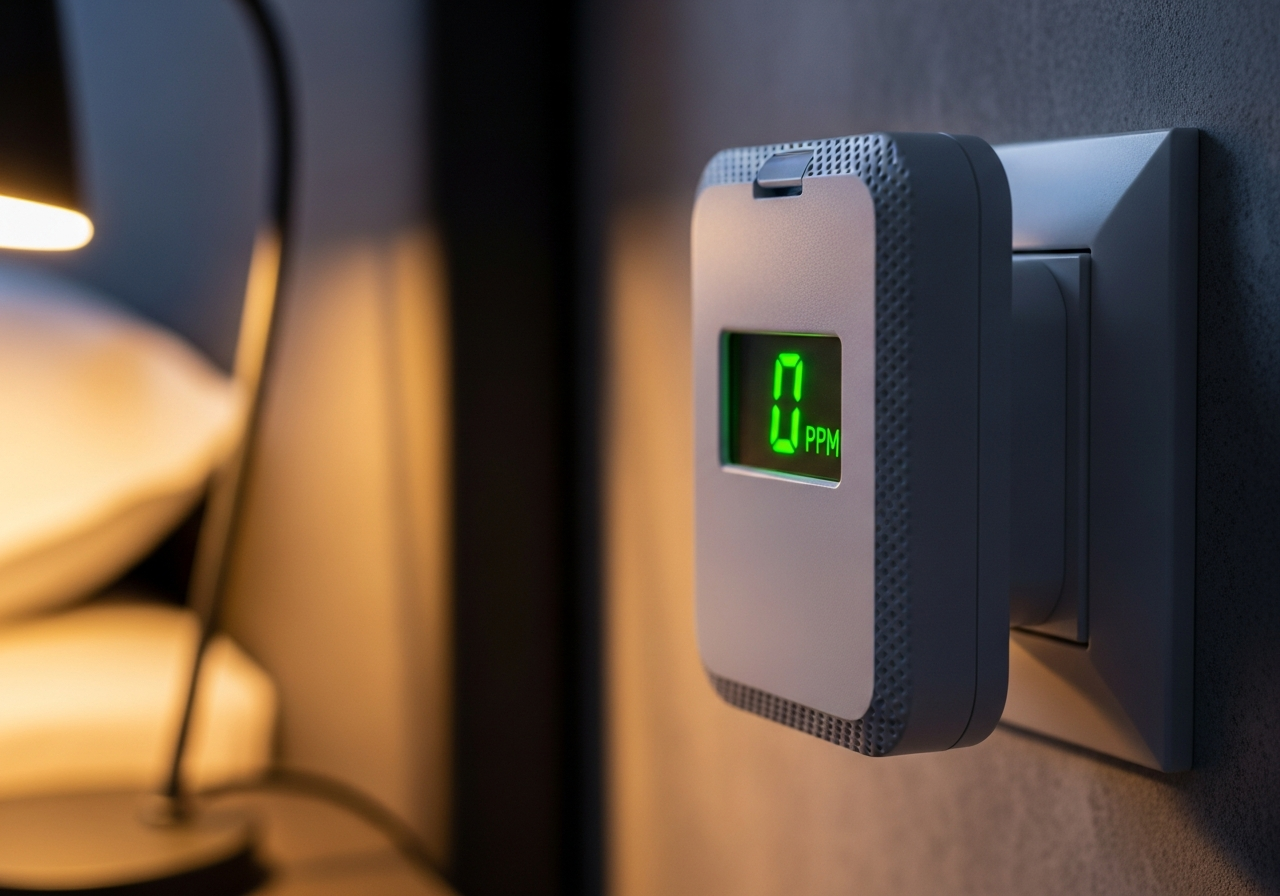
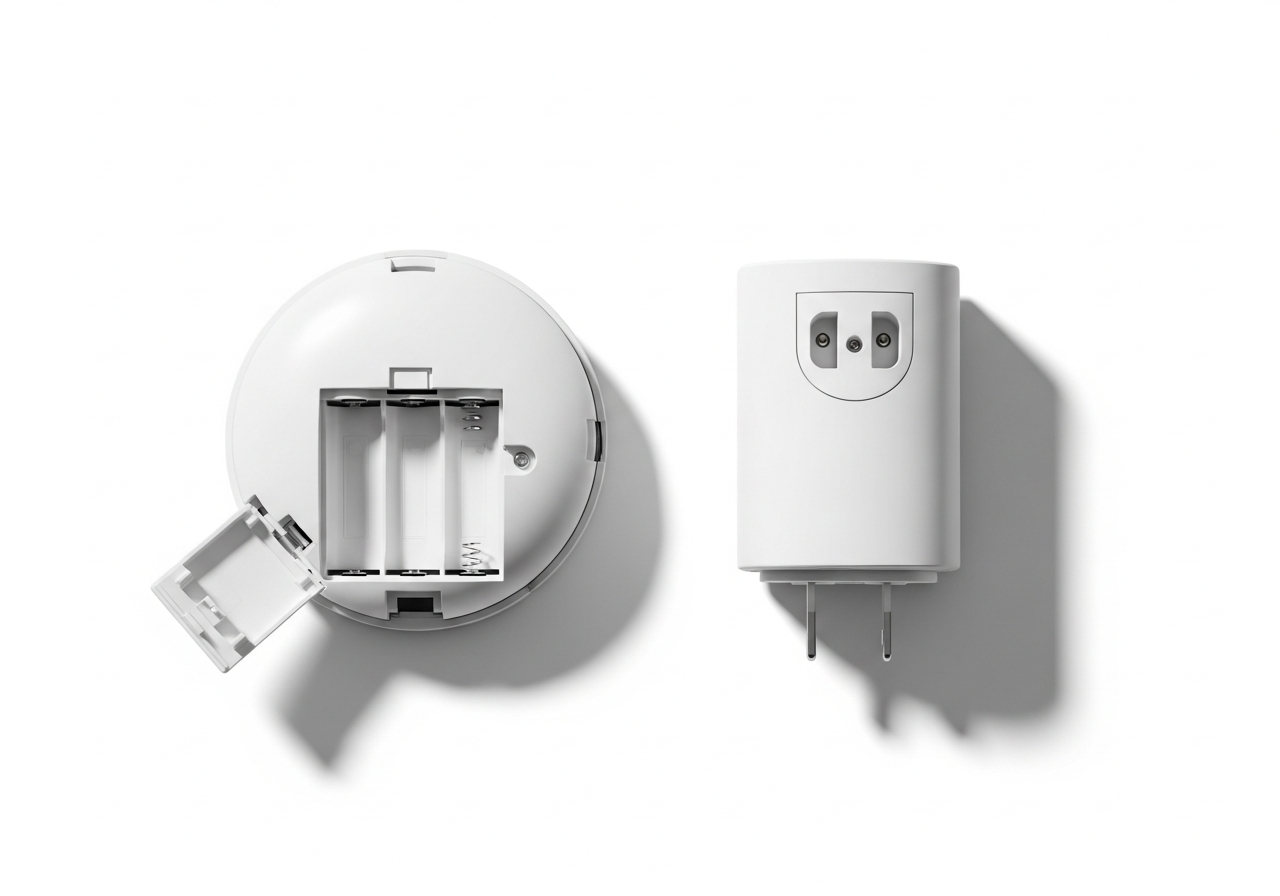
Beyond the display and sensor type, four additional specifications separate a genuinely useful digital CO detector from one that falls short. First, UL 2034 certification — this confirms the alarm function meets the US standard for response time, accuracy at high concentrations, and false-alarm resistance. Second, display visibility — the readout should be large enough to read from across a room and backlit or OLED-based for visibility in the dark. Third, plug-in operation — battery-operated units lose display accuracy as batteries drain and introduce the failure mode of dead batteries; a plug-in unit with continuous power eliminates both problems. Fourth, additional sensor readings — temperature and humidity context on the same display makes the CO reading more interpretable (CO sensors can drift in extreme humidity, and knowing the ambient conditions helps you evaluate a reading). A digital CO detector that checks all five criteria — electrochemical sensor, UL 2034 certification, large backlit or OLED display, plug-in operation, and additional environmental readings — gives you a level of situational awareness in your home that no alarm-only device can match. Plug-In Carbon Monoxide Detectors: Who Needs One and What to Look For Takeaway: the display is the differentiator, but the sensor, certification, and form factor determine whether the device delivers on its promise consistently.
How to Get the Most From Your Digital CO Display
Once you have a digital CO detector in place, these habits turn it from a passive device into an active safety tool:
- Note your baseline — check the reading at different times of day for the first week to establish what's normal for your space; baseline drift above 4 PPM sustained warrants investigation
- Check it after appliance cycles — take a reading 10–15 minutes after the furnace runs, after cooking with gas, and after the water heater activates; a consistent spike that fades is information about your appliances
- Watch the trend, not just the number — a reading of 12 PPM that appeared overnight and is still there the next morning is more concerning than a brief 18 PPM spike during a cooking session that clears in 20 minutes
- Place it in the right location — CO rises with warm air and distributes through rooms; place it at breathing height (5 feet from the floor) near the primary sleeping area for the most relevant overnight reading Carbon Monoxide Detector Placement: Exactly Where to Put Yours
- Screenshot or note unusual readings — if you call an HVAC technician about a potential CO issue, a record of your digital readings over time is useful diagnostic information
- Don't ignore readings above 9 PPM sustained — ventilate, identify the source, and schedule appliance service; the display is telling you something that the alarm wouldn't
The difference between a CO alarm and a digital CO detector is the difference between a smoke alarm and an air quality monitor — both protect you from acute emergencies, but only one gives you the continuous data to prevent the slow creep that causes chronic harm. The AirShield™ 3-in-1 Portable Carbon Monoxide Detector puts that data on an OLED display you can read from across the room: live CO concentration in PPM, temperature, and humidity, updated in real time by the Smart M8 Chip sensor — 50x faster processing than standard residential CO technology. It's UL 2034 certified, plug-in with no batteries to replace, and built to last up to 10 years. If you want to know what's actually in the air you're breathing, the number on the display is the only honest answer. Visit airshield.store to get yours.
Frequently Asked Questions
Sources & References
- NIOSH: Carbon Monoxide Exposure Limits (REL) — NIOSH Recommended Exposure Limit of 35 PPM as an 8-hour TWA
- CPSC: Carbon Monoxide Detectors and Alarms — CPSC guidance on CO detector placement and standards
- UL 2034 Standard for CO Alarms — UL standard defining alarm threshold requirements for residential CO detectors
Protect Your Home with AirShield™
The only portable CO detector that shows you real-time PPM readings on a live OLED display. Electrochemical sensor, multi-gas detection, UL listed.
Check Availability →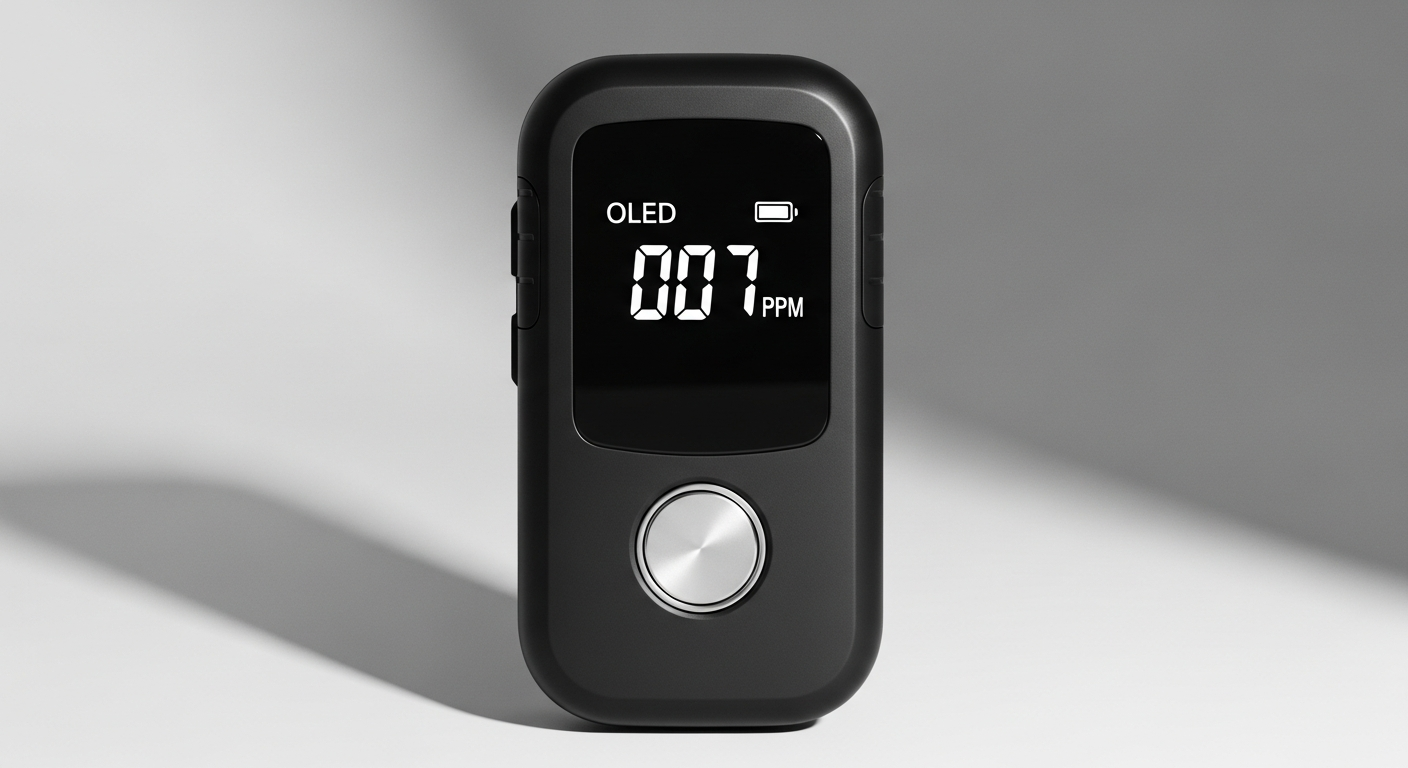
Loading comments...