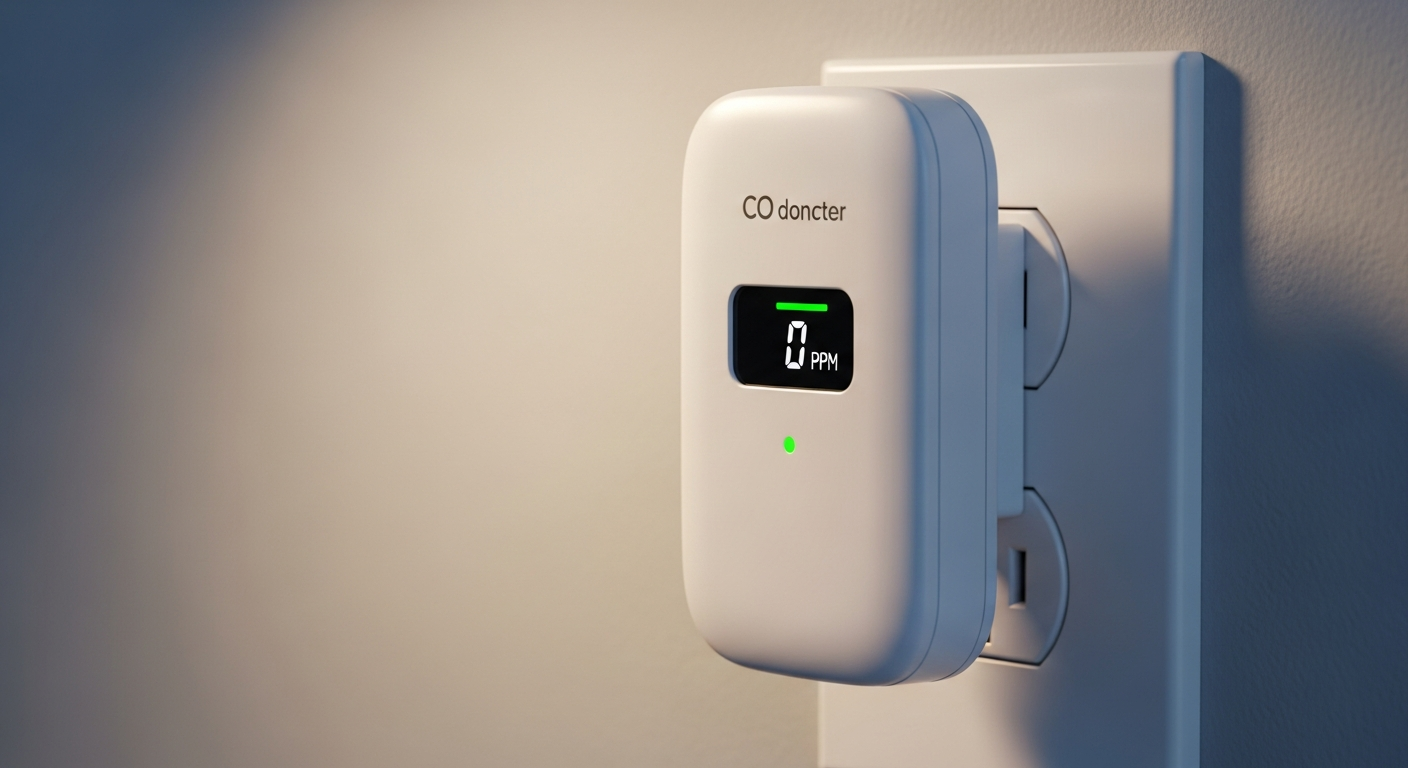
Plug-in carbon monoxide detectors occupy the most underrated segment of the CO safety market. They require no tools, no wiring, and no professional installation — you insert them into any standard outlet and protection begins immediately. Yet they're often overlooked by buyers who default to battery-operated or hardwired units without considering whether those formats actually suit their situation.
How Plug-In Detectors Compare to Other Types
There are three main CO detector form factors, each with distinct tradeoffs:
- Battery-operated: fully portable, no outlet needed, but requires regular battery replacement and stops protecting if batteries die
- Hardwired: permanently installed in the wall, usually interconnected with other alarms throughout the home — best for new construction or whole-home systems, but requires an electrician
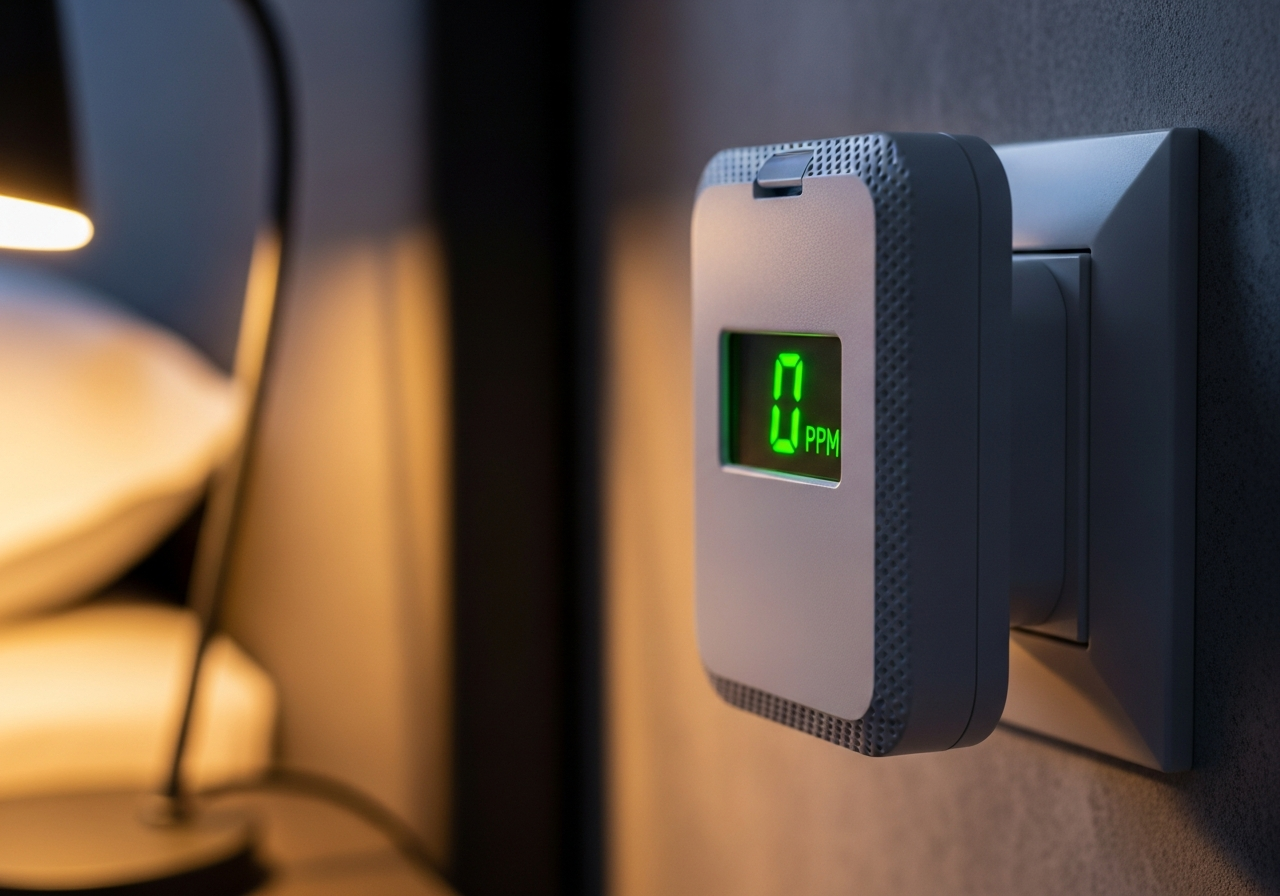
- Plug-in: plugs into any standard outlet, always on while connected, no batteries to replace, no installation required — best for renters, travelers, and those who want simple reliable protection
Who Benefits Most from a Plug-In Detector
Plug-in detectors are the right choice for several specific situations:
- Renters who can't make permanent modifications to walls or electrical systems
- Apartment dwellers who need flexibility in placement and can't hardwire
- Travelers who want protection in hotels, short-term rentals, and guest rooms
- Homeowners who want supplemental detectors beyond their hardwired system
- Anyone who forgets to change batteries — a plug-in unit eliminates that failure mode entirely
- People who want a portable detector they can move between rooms seasonally (e.g., more bedrooms occupied in winter)
What to Look For in a Plug-In CO Detector
Not all plug-in detectors are equal. These are the specifications that actually determine performance:
- Electrochemical sensor: the only sensor type that delivers reliable long-term accuracy (avoid MOS sensors in plug-in units)
- Live PPM display: plug-in units are the ideal form factor for a display since they have continuous power — look for an OLED or LCD screen showing real-time concentration
- UL 2034 certification: the US minimum standard — a non-certified imported unit is a gamble
- Multi-gas detection: units that detect CO, methane, and propane give you protection against gas leaks as well as CO buildup
- Audible alarm: 85 dB minimum — loud enough to wake a sleeping adult in an adjacent room
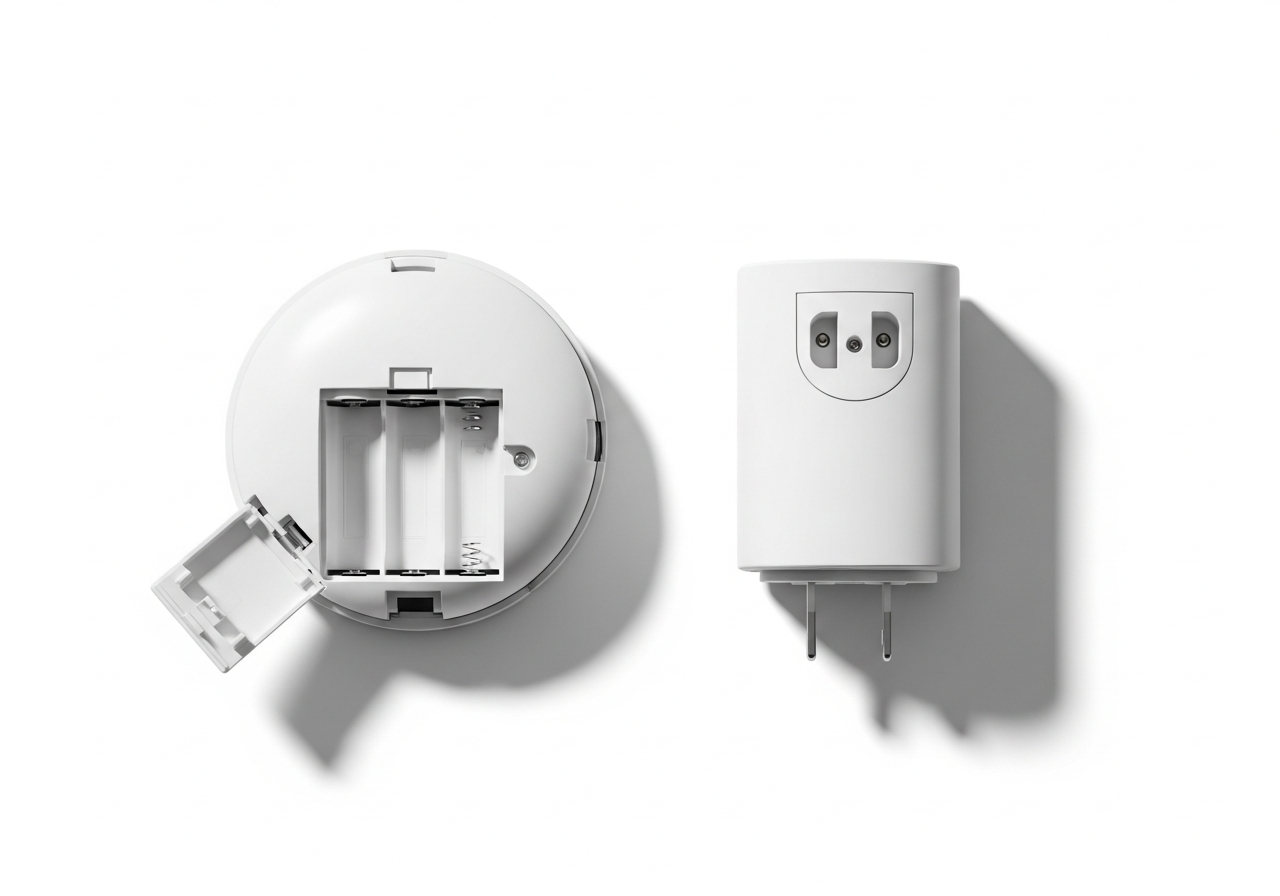
- Battery backup: some plug-in units include a rechargeable battery for continued protection during a power outage
Plug-In vs. Hardwired: Which Is Better?
For homeowners doing a whole-home safety install, hardwired interconnected detectors offer the advantage of whole-home alerting — if one detector trips, every detector in the house alarms simultaneously. But for most renters, travelers, and anyone who needs flexibility, a plug-in unit with an electrochemical sensor and live display outperforms a budget hardwired unit on practical performance.
The Portable Advantage
One underappreciated benefit of plug-in detectors is portability. You can move them to wherever people are sleeping, take them to a vacation rental, a relative's house, or a hotel room. A hardwired detector stays on the wall it was installed on — a plug-in unit goes where you go.
The AirShield detector was designed specifically around the plug-in format: a compact body that fits into any standard outlet in any country with the included universal adapters, an OLED display showing live CO, methane, and propane readings, and a 10-year electrochemical sensor. It's designed to be the one detector you take with you everywhere.
Protect Your Home with AirShield™
The only portable CO detector that shows you real-time PPM readings on a live OLED display. Electrochemical sensor, multi-gas detection, UL listed.
Check Availability →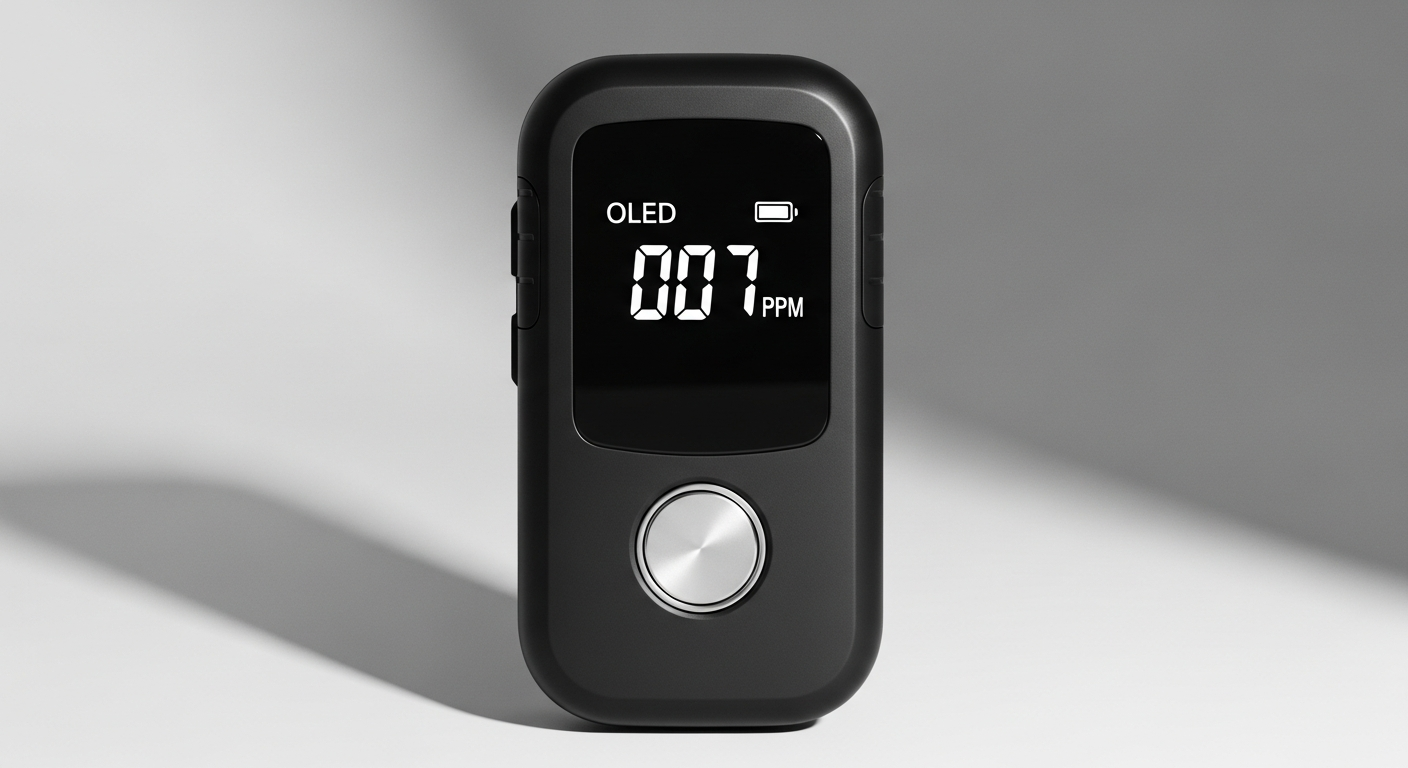
Loading comments...