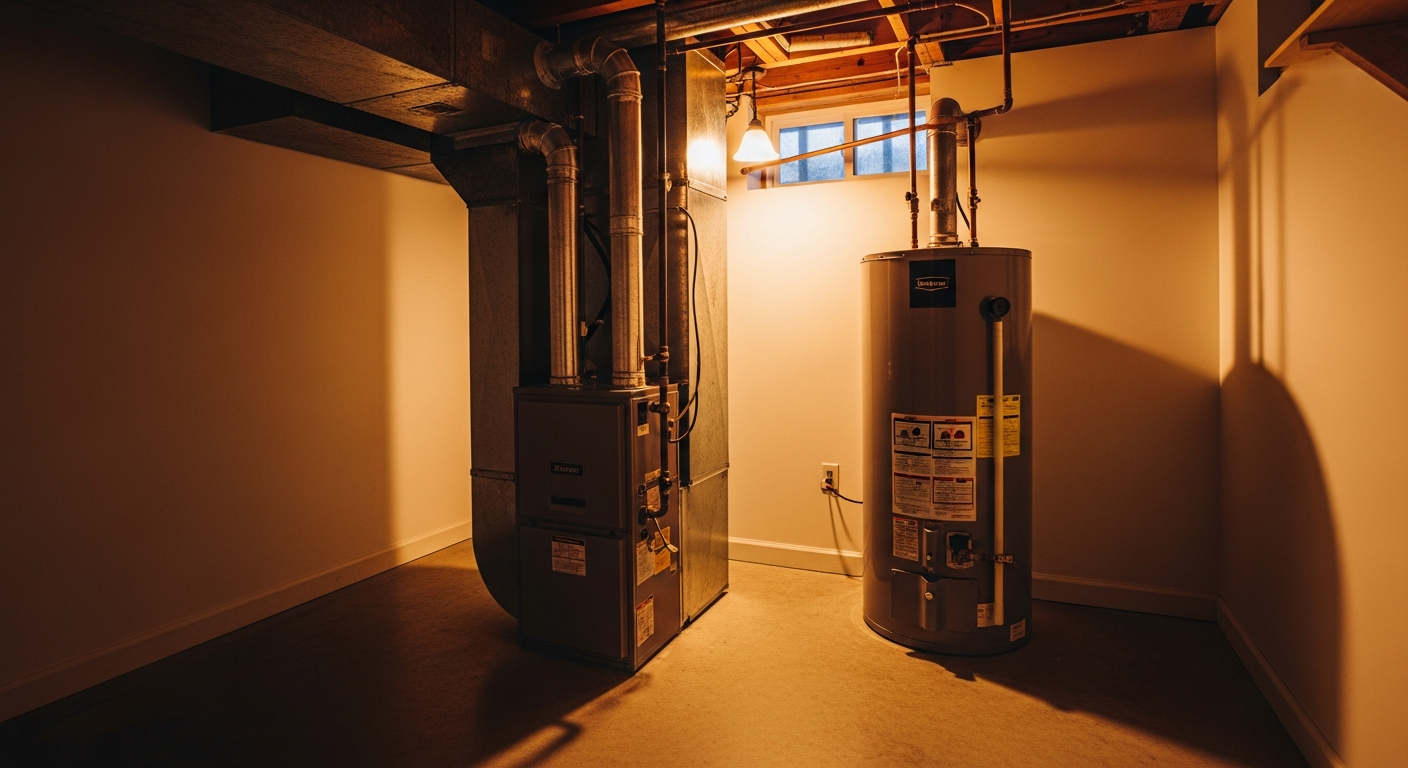
CO is produced in most American homes every single day. The furnace makes it. The water heater makes it. The gas stove makes it. Under normal conditions, all of it goes outside through vents and flues. You never know it happened. But things fail. Vents get blocked. Heat exchangers crack. Someone leaves the car running. When that happens, the CO that should go outside goes into your home instead. The Illinois IDPH found that 95% of CO incidents happen in homes — not factories, not job sites. Your home. The CPSC puts 50,000 Americans in the ER every year from CO poisoning. This article names every source, explains exactly why each one fails, and tells you what to do about it. Carbon Monoxide Cases Are Up 50% in 2026: The Data Every Homeowner Needs to See
Source 1: Your Gas Furnace (The Biggest One)
The furnace is the number one cause of CO poisoning in American homes. Not because furnaces are badly designed — they're not. Because they have a part called a heat exchanger, and that part cracks over time. Here's how it works: the heat exchanger is a metal barrier inside your furnace. Combustion — burning gas — happens on one side. Your breathing air flows past the other side to get warm. They never mix. Until the exchanger cracks. When it cracks, CO from the burner crosses into the air that heats your home. Every time the furnace runs, CO enters the house. There's no smell. No smoke. No noise. Nothing changes that you can detect without a monitor. Heat exchangers last about 15 to 25 years. If your furnace is older than that, the risk goes up a lot. Most homeowners don't know how old their furnace is — let alone whether the exchanger has been professionally inspected. The clearest sign of furnace CO: headaches and dizziness in winter that clear up in spring and come back the following heating season. Carbon Monoxide Poisoning Symptoms: What to Know Before It's Too Late Takeaway: Get the heat exchanger inspected every fall. If your furnace is over 15 years old, do it this year.
Source 2: Your Attached Garage
You don't have to sit in the garage. CO comes to you. In homes with attached garages, CO from a running car seeps into the home through gaps around the interior door, through shared walls, and through HVAC return vents. Research shows that a 10-minute warm-up in a closed garage can raise CO in adjacent rooms to 200–300 PPM. That's enough to cause headaches and brain fog. And you're in the kitchen eating breakfast, not in the garage. The interior door between your garage and your home is almost never truly airtight. There are gaps at the bottom. Gaps around the frame. Small holes where pipes or wires pass through. All of them let CO in. The behavior that causes this feels harmless. You start the car, go back inside, forget about it. But the CO starts moving into your home immediately. Car Running in Closed Garage: How Long Until It's Dangerous? This is worse in winter, when cars get warmed up and homes are sealed tight against the cold. Takeaway: Never warm up a car in a garage — even with the outer door open. CO migrates toward the interior door regardless.
Sources 3 and 4: Gas Water Heater and Gas Dryer
Your gas water heater works just like the furnace — it burns gas and produces CO. That CO exits through a vent pipe. When the vent pipe is blocked, corroded, or sloped the wrong way, the CO has nowhere to go but back into the room. The most common water heater vent problem: reverse slope. The vent pipe should angle upward all the way to the outside. If even one section is flat or slopes down, combustion gases pool in the pipe and back-draft into the utility room. Gas dryers have the same basic setup — combustion exhaust exits through a vent. The difference is that the dryer vent is a flexible hose behind the machine. That hose gets crushed when the dryer is pushed too close to the wall. Or it disconnects entirely. When it does, CO goes into the laundry room. Pull your dryer away from the wall once a year and look at the vent hose. A crushed or disconnected hose is one of the most common — and most overlooked — CO sources in a home. Also watch the burner flame on your gas range. Blue flame means good combustion. Yellow or orange flame means incomplete combustion — and more CO. Takeaway: Gas water heaters and dryers both have simple failure modes that are invisible from the front of the appliance — you have to look at the back. Should a CO Detector Be in Your Bedroom? Yes. Here's Why
Sources 5, 6, and 7: Fireplaces, Wood Stoves, and Generators
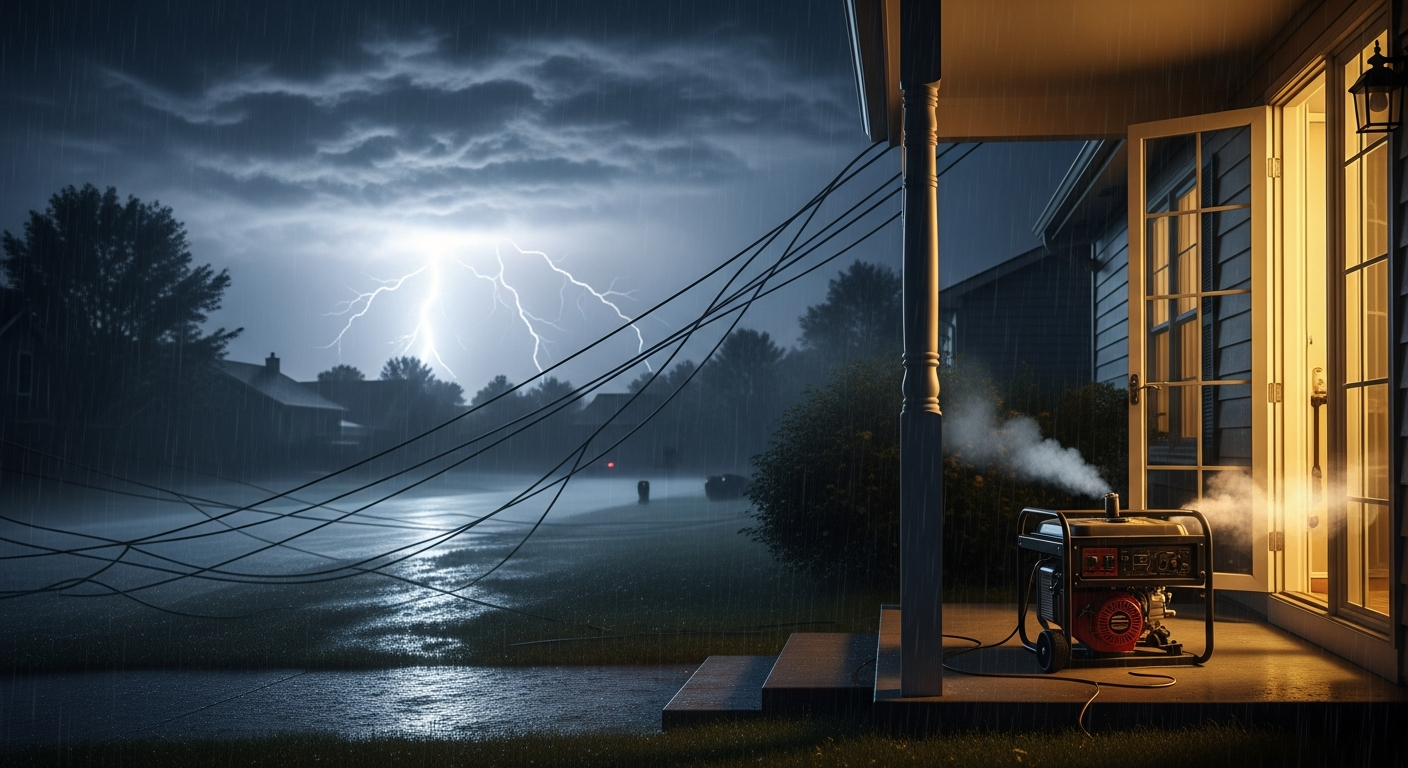
Wood-burning fireplaces and stoves produce CO every time they're lit. Under normal operation, all of it exits through the chimney. But chimneys get blocked — and the blockages are seasonal. Birds and squirrels nest in uncapped chimneys from spring through fall. A chimney that worked perfectly last winter can be fully blocked by autumn of the next year. You light the first fire of the season and the CO comes into the room instead of going up. Here's what catches people off guard: smoke makes the problem obvious. But CO is odorless. A partially blocked flue can let smoke through while still back-drafting enough CO to matter. Don't wait for visible smoke to tell you there's a problem. CO enters the room before the smoke gets bad enough to notice. Should a CO Detector Be in Your Bedroom? Yes. Here's Why And generators: they're not a house appliance, but they cause more CO deaths than almost anything else on this list. Generators produce concentrated CO exhaust. They must be used outside, at least 20 feet from any door or window. During hurricanes and power outages, people bring them into garages, basements, and porches. People die from this every year. Takeaway: Chimney blockages happen between seasons without warning. Generator CO kills in minutes. Both need strict rules, not just awareness.
One Action for Each Source
- Gas furnace: HVAC technician inspects the heat exchanger every fall — non-negotiable if the furnace is over 15 years old
- Attached garage: never warm up a car inside, regardless of whether the outer door is open
- Gas water heater: inspect vent pipe connections each year and look for rust, disconnection, or improper slope
- Gas range: if the burner flame is yellow or orange instead of blue, have it serviced — that's incomplete combustion
- Gas dryer: pull it away from the wall annually and verify the vent hose is connected and not crushed
- Fireplace or wood stove: get a certified chimney sweep inspection every fall before the first fire
- Generator: outdoors only, 20 feet from any structure — no exceptions, no garage, no 'partially open' loopholes
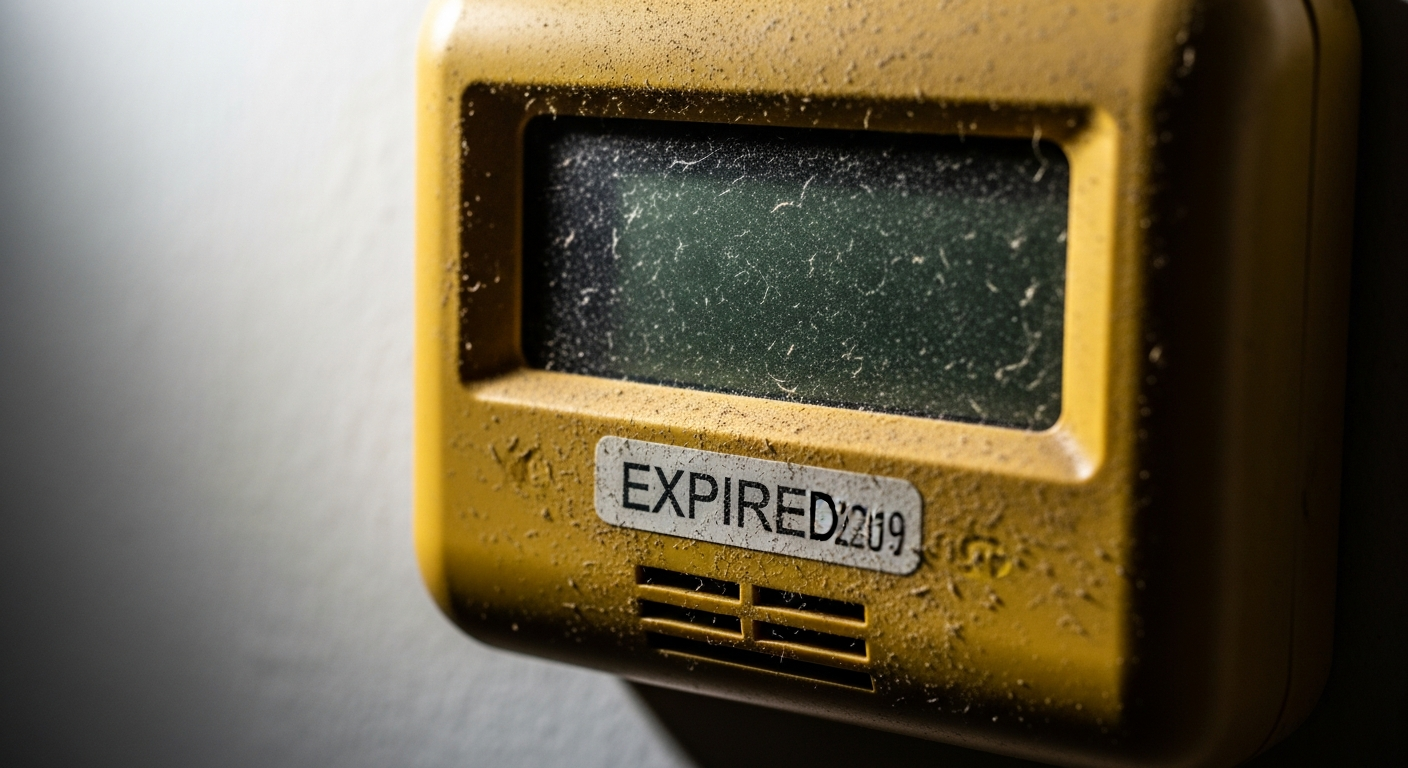
Every source on this list fails silently. CO doesn't smell. It doesn't change what the appliance looks like. It doesn't change what the air tastes like. You can't catch it with your senses. The only way to know it's there is to measure it. The AirShield™ CO detector plugs into any outlet and shows the live PPM level in your air, right now. Not just an alarm when something goes terribly wrong — but an actual number, so you know when the furnace is running clean or when something just changed.
Frequently Asked Questions
Sources & References
- CPSC: Carbon Monoxide Information Center — CPSC national data on CO sources, death statistics, and residential safety guidance.
- Illinois IDPH: CO Surveillance Report (2019–2023) — First comprehensive state CO surveillance report — 940 ER visits annually, 95% in residential settings.
- EPA: Indoor Air Quality and Combustion Appliances — EPA guidance on CO sources from combustion appliances in residential settings.
Protect Your Home with AirShield™
The only portable CO detector that shows you real-time PPM readings on a live OLED display. Electrochemical sensor, multi-gas detection, UL listed.
Check Availability →
Loading comments...