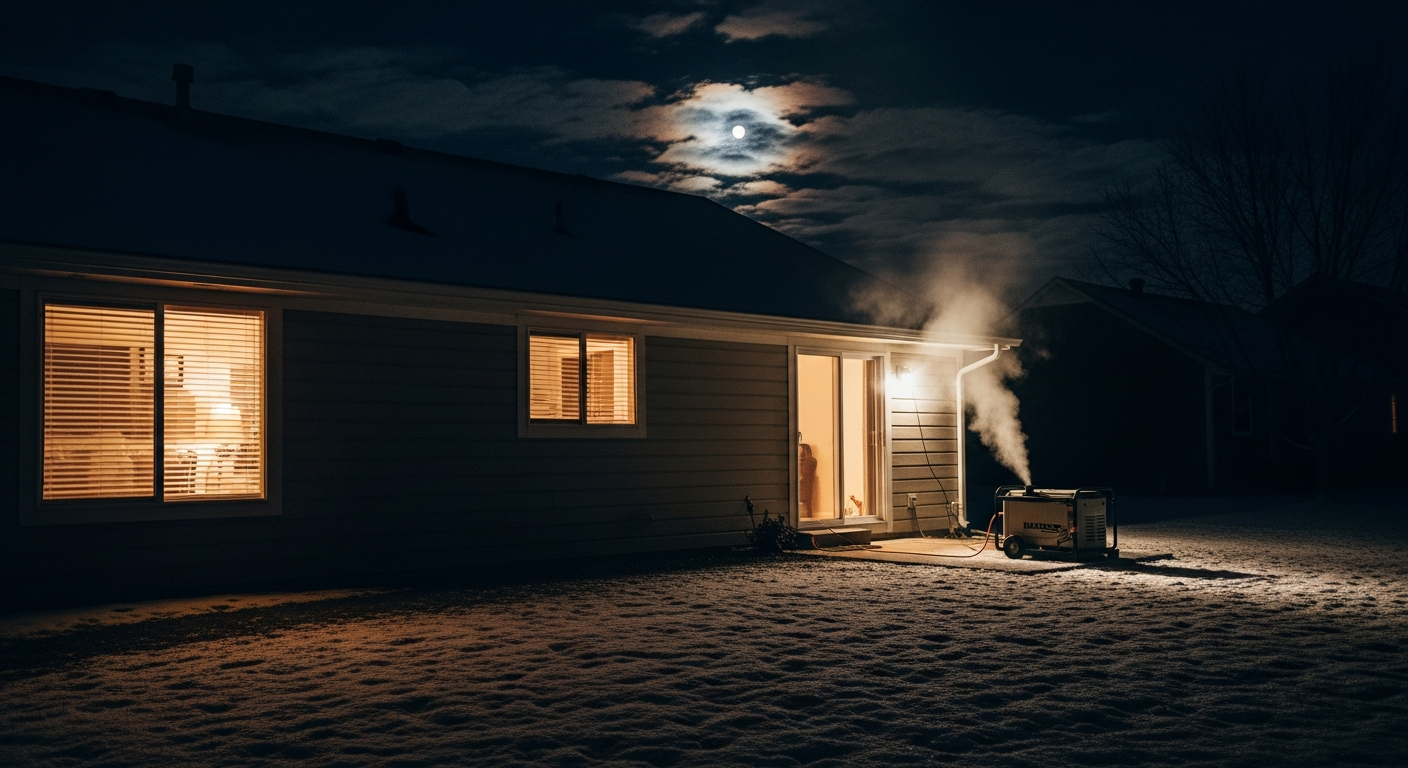
Carbon monoxide poisoning does not happen at the same rate in July and January. Winter carbon monoxide poisoning is not a seasonal variation — it is a seasonal spike. CDC surveillance data shows that non-fire-related CO poisoning deaths in the United States are concentrated in the colder months, with December, January, and February accounting for a disproportionate share of annual CO fatalities. The reason is not a single factor but a convergence of them: heating systems run continuously and develop stress over months of operation, homes are sealed tightly against cold air reducing natural ventilation, people use supplemental heating sources — generators, propane heaters, gas ovens — in ways they would not in warmer months, and snow and ice can physically block exhaust vents in ways that have no summer equivalent. Understanding why winter creates uniquely dangerous CO conditions is the first step toward protecting against them before the heating season begins.
Why Winter Is the Deadliest Season for CO
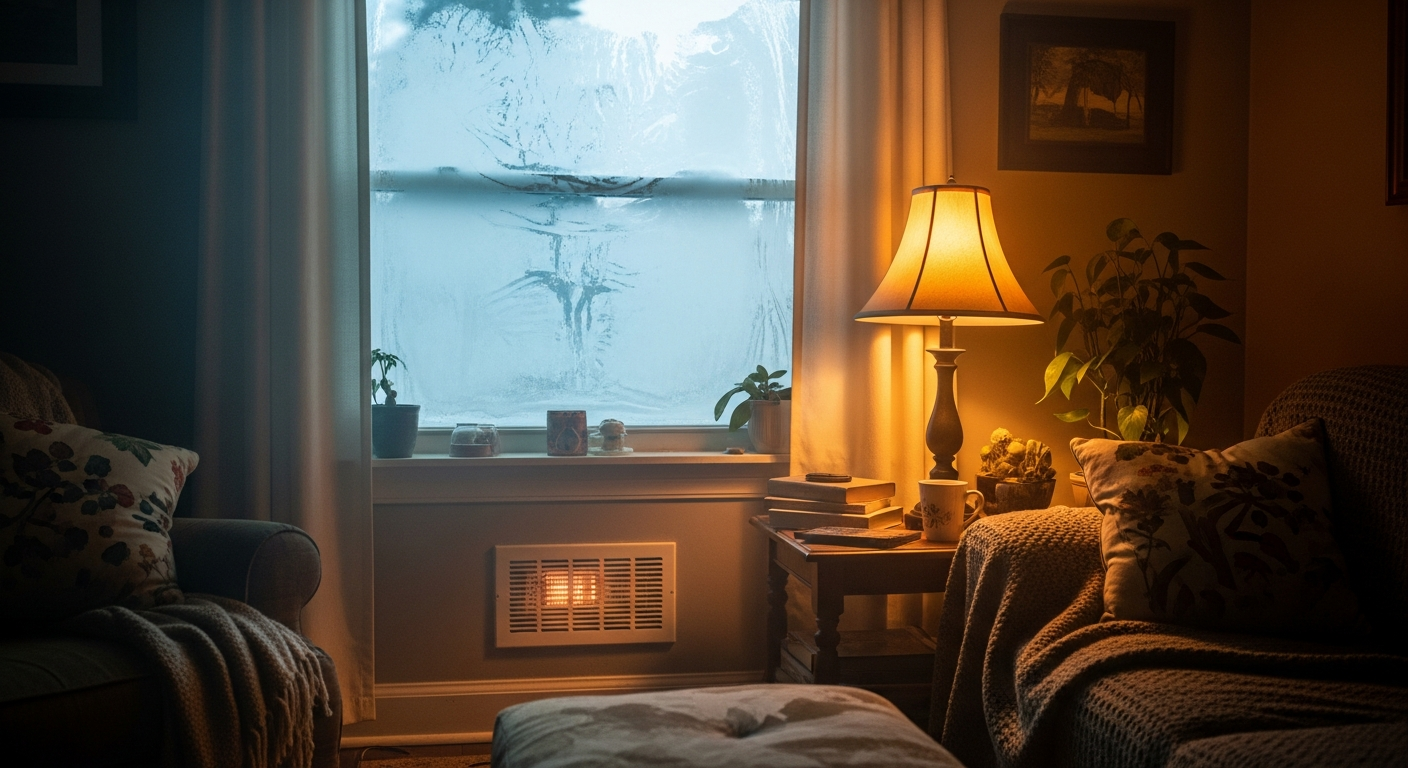
The physics of winter CO accumulation are straightforward. In summer, most homes have some natural ventilation — windows cracked, doors opened frequently, gaps that allow air exchange. In winter, homes are intentionally sealed to retain heat. Weatherstripping is in place, windows are closed, and the building envelope is as airtight as the construction allows. This dramatically reduces the air changes per hour in the living space, meaning any CO produced inside the home takes far longer to dissipate. Simultaneously, gas furnaces run on longer and more frequent cycles than in mild weather, increasing their CO production potential and the duration of any combustion gas exposure from a heat exchanger problem. Hot water demand increases, running water heaters harder. Alternative heating sources come out of storage — space heaters, electric and propane fireplaces, wood stoves — many of which have not been inspected since the previous winter. Each of these factors individually increases CO risk. In winter, they all occur simultaneously. Takeaway: a home that had negligible CO risk in October may have significant CO risk in January from the same appliances operating under the same conditions — solely because of reduced ventilation and increased heating demand.
The Heating System: Your Biggest Winter CO Source
Gas furnaces are the leading cause of residential CO fatalities in the United States, and they are most dangerous in winter for two reasons: they run more and they are most likely to have a problem at the beginning of the heating season. Furnaces that have sat unused for months accumulate dust in burners and heat exchangers, develop condensation and early corrosion in flue connections, and may have developed heat exchanger fatigue cracks over the previous season's thermal cycling. The first cold snap of the year — when the furnace turns on for the first time since spring — is the highest-risk moment of the heating season. A furnace that ran fine in March may have developed a crack in the heat exchanger over the summer. The crack is invisible from outside the unit. The only way to detect it is a professional inspection or a CO detector that catches the resulting CO production before it builds to a dangerous concentration. HVAC technicians report that fall season service calls for CO-related furnace problems spike in October and November as homeowners discover issues that developed over the summer. Takeaway: an annual furnace inspection at the start of each heating season is the highest-impact single intervention for winter CO prevention.
Supplemental Heat Sources and Generator Risk
Every winter, portable generators, propane space heaters, and gas ovens used for supplemental heat account for a significant share of CO poisoning deaths and injuries. The common pattern is always the same: a power outage, a storm, an unusually cold night — and someone brings a combustion device designed for outdoor or vented use into an enclosed living space. Portable generators produce CO at concentrations that can be fatal in minutes in an enclosed space. The Consumer Product Safety Commission estimates that portable generators cause more than 70 CO deaths per year — the majority of them during or after winter storms. A generator running in a garage, a covered porch, or near any window or vent that leads to the interior is a CO source. Similarly, propane camping heaters labeled for indoor use still produce CO and require ventilation that most people do not provide in a cold emergency situation. Gas ovens and ranges, when used to heat a home during a power outage (which does not affect gas supply in most markets), produce CO concentrations that have killed people within hours. Takeaway: no combustion device that produces CO is safe to operate indoors without dedicated mechanical ventilation, regardless of what the packaging says.
Practical Application: Preparing for Heating Season Before the First Cold Night
- Schedule a furnace inspection and tune-up in September or October — before the heating season, not during it when appointments are scarce
- Check all exterior exhaust vent terminations for physical obstructions: bird nests, wasp nests, corrosion, or crumpling
- Test every CO detector in the home before the first furnace cycle of the season — if any unit is more than 5 years old, use the CO Detector Expiration Calculator to confirm status and replace if needed
- Upgrade to CO detectors with live PPM displays before winter: the ability to see a rising CO reading at 10 ppm versus waiting for a 70 ppm alarm is the most valuable feature during heating season
- Review your generator protocol: the only safe location for a portable generator is outdoors, at least 20 feet from any window, door, or vent — do not compromise on this regardless of weather conditions
- Check your home's draft sealing: confirm that the door between an attached garage and the living space has an intact weatherstrip seal before cold weather arrives
- Know the warning signs of CO exposure that are commonly misattributed to winter illness: headache that worsens overnight and improves when you leave the house, nausea without fever, fatigue disproportionate to activity Carbon Monoxide Headache: How to Tell If Your Headache Is From CO
- Work through the Home CO Safety Checklist before heating season — 30 items across detectors, appliances, vehicles, ventilation, and emergency planning
- Brief every household member on the CO alarm protocol: exit, call 911, do not re-enter until cleared
Winter carbon monoxide poisoning is predictable, concentrated in a specific season for specific reasons, and almost entirely preventable with measures that cost less than a furnace repair call. The convergence of sealed homes, stressed heating systems, and supplemental combustion sources creates conditions that do not exist in any other season. The preparation window — September and October, before the first cold snap — is when the risk can be addressed at the lowest cost and with the most scheduling flexibility. A CO detector with a live PPM display installed and tested before heating season begins is not reactive safety equipment. In winter, it is the only instrument that can see the hazard building before it becomes a crisis.
Protect Your Home with AirShield™
The only portable CO detector that shows you real-time PPM readings on a live OLED display. Electrochemical sensor, multi-gas detection, UL listed.
Check Availability →


Loading comments...