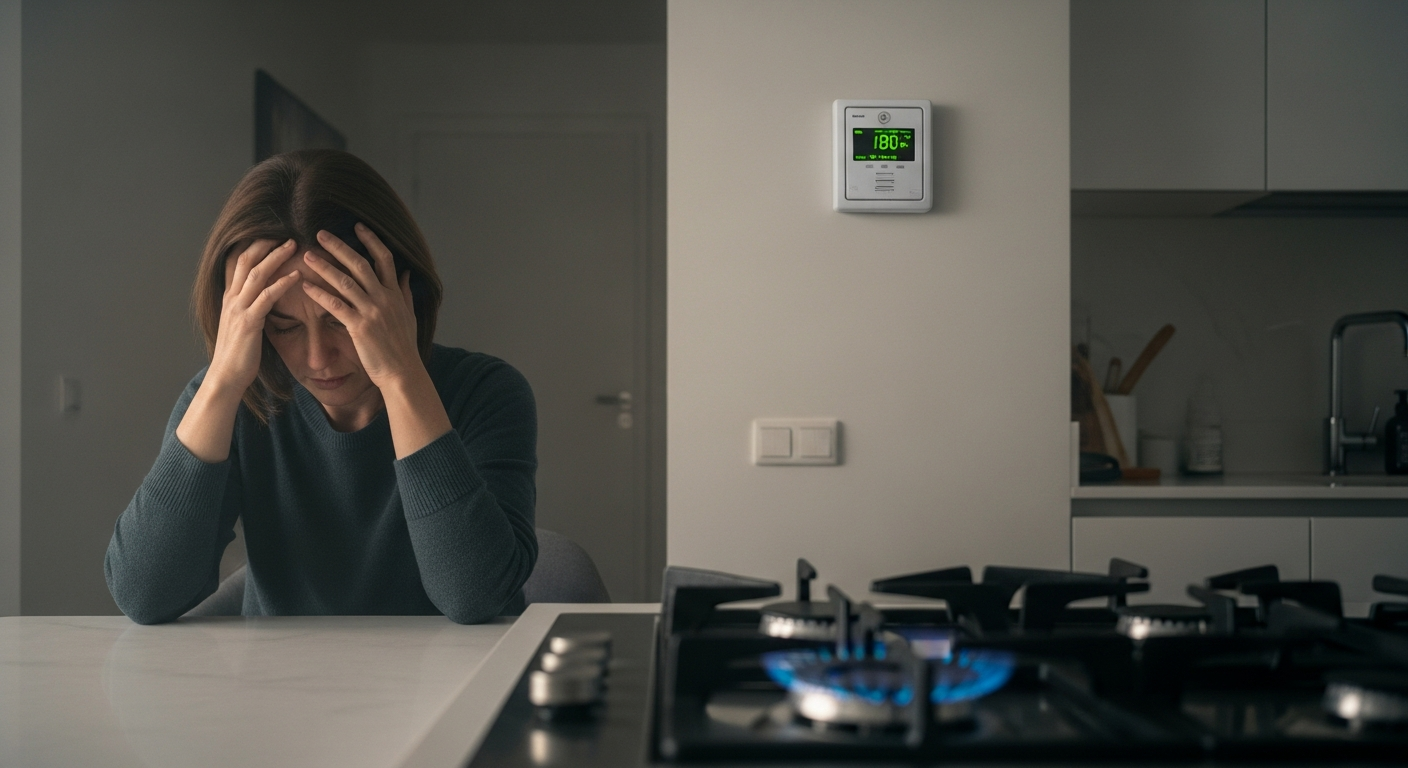
Headache is the most common initial symptom of carbon monoxide poisoning — and one of the most commonly dismissed. A CO headache feels almost identical to a tension headache or the beginning of a migraine. At low exposure levels, there's nothing about the sensation that signals danger. This is precisely what makes it dangerous.
What a CO Headache Feels Like
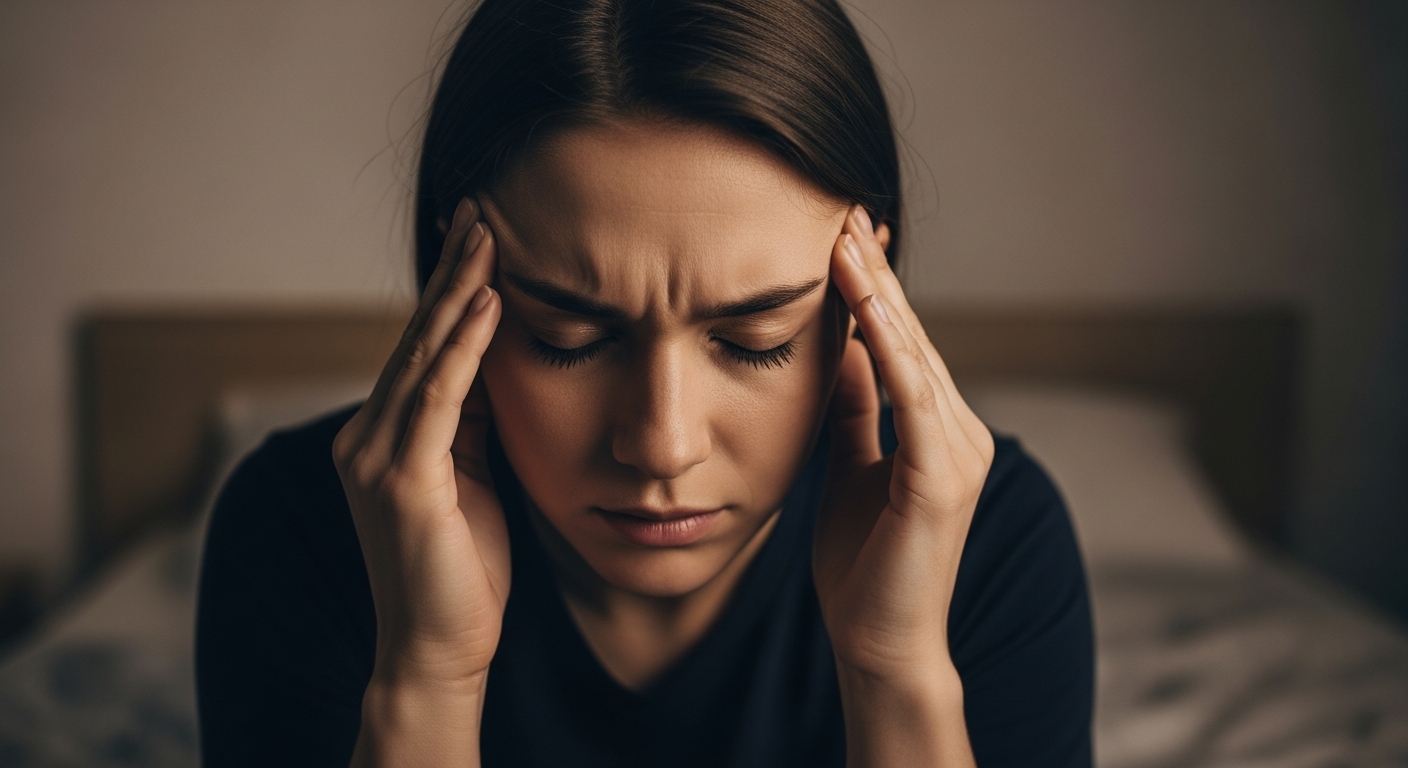
Carbon monoxide headaches are typically described as:
- A dull, throbbing pain across the front of the head
- Bilateral — affecting both sides rather than one side (unlike most migraines)
- Pressure that builds gradually rather than appearing suddenly
- Accompanied by mild nausea, dizziness, or fatigue
- Often more noticeable in the morning after sleeping, when prolonged overnight exposure has occurred
What Makes It Different From a Regular Headache
The most reliable distinguishing feature of a CO headache is that it clears when you leave the affected space and returns when you come back. Regular tension headaches and migraines don't follow your location. If you notice:
- Your headache improves significantly when you leave your home, hotel room, or vehicle
- Other people in the same space are also experiencing headache or nausea simultaneously
- The headache is worse after sleeping than before
- The headache is accompanied by confusion or difficulty concentrating
- Symptoms are worse in winter months when homes are sealed and heating systems run continuously
CO Exposure Levels and Symptoms
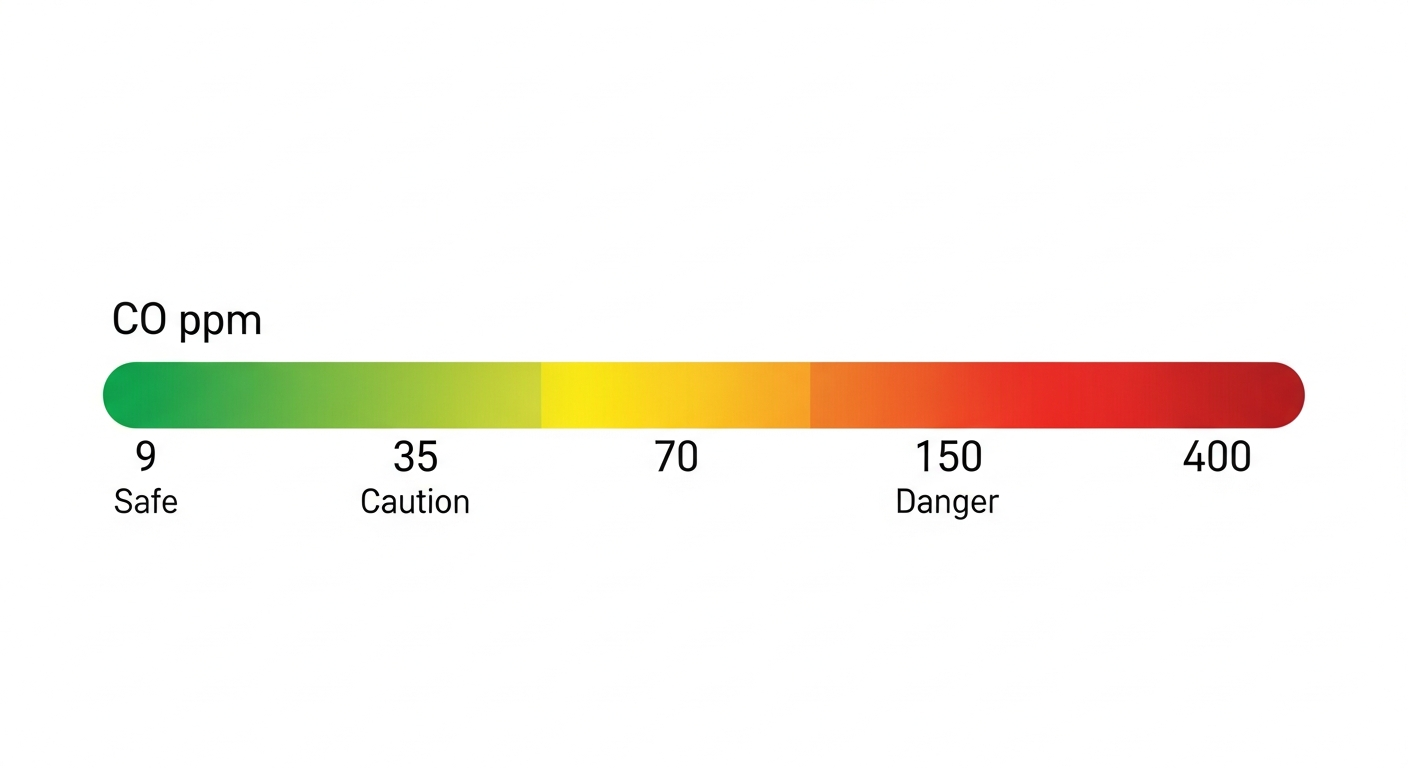
The severity of a CO headache correlates with the concentration and duration of exposure:
- 35 ppm for several hours: mild frontal headache, slight fatigue — the threshold at which OSHA mandates CO mitigation in workplaces
- 70 ppm for 1–4 hours: throbbing headache, nausea — the level at which consumer detectors are required to alarm
- 150 ppm for 1–3 hours: severe headache, confusion, impaired judgment
- 400+ ppm: severe symptoms within 1 hour; loss of consciousness within 3 hours
Why CO Headaches Are Misdiagnosed
Studies have found that emergency physicians misdiagnose CO poisoning in a significant proportion of cases, particularly during winter flu season when headache, nausea, and fatigue are attributed to viral illness. The key differentiator — symptoms tied to a specific location — is often not captured in the initial patient history.
Prevention: See the Number Before the Headache Starts
A detector with a live PPM display allows you to see CO accumulating before it reaches the concentration that triggers symptoms. At 15 ppm rising, you can ventilate the space and find the source — before you ever develop a headache. An alarm-only detector operating at the UL 2034 threshold gives you no warning until you've already been exposed to headache-level concentrations for an extended period.
AirShield shows the live CO reading at all times. You see 10 ppm before it becomes 35 ppm — and before the headache begins.
Protect Your Home with AirShield™
The only portable CO detector that shows you real-time PPM readings on a live OLED display. Electrochemical sensor, multi-gas detection, UL listed.
Check Availability →
Loading comments...