Recalled carbon monoxide detectors — particularly units sold through Amazon's third-party marketplace — have hospitalized children after failing to alarm at dangerous CO levels. If you bought a CO detector online in the past three years, your family's safety device may be the very thing putting them at risk. A CO detector that fails silently is more dangerous than having no detector at all. This post covers which units are at risk, how to verify yours, and what to look for in a trustworthy replacement — with the specific technical criteria that separate real protection from a plastic placebo.
Why Are So Many CO Detectors Being Recalled Right Now?
The explosion of third-party sellers on Amazon and other online marketplaces has flooded the market with CO detectors that carry counterfeit or invalid UL certifications. UL 2034 is the minimum U.S. safety standard for residential CO alarms — it mandates that a detector must sound within 90 minutes at 70 ppm and within 4 minutes at 400 ppm. Independent testing of several recalled units revealed they failed to alarm even at 300–400 ppm, concentrations that can cause death in under three hours according to the CDC. The CPSC's recall process is reactive, not preventive — a product typically only gets recalled after injuries or deaths are reported. The American Association of Poison Control Centers logged over 50,000 CO exposure calls in 2024 alone, and investigators increasingly find that a working detector was present but never alarmed. The core problem is that most CO detectors give no visible feedback — no PPM number, no sensor-active indicator — so users have no way to know whether the device is functioning. How Does a Carbon Monoxide Detector Work? A Clear Explanation Buyers are conditioned to trust Amazon's marketplace, but the platform's algorithm surfaces cheapest-first, not safest-first. A five-star rating from 200 buyers means nothing if the detector was never exposed to actual CO during those reviews. Takeaway: Price and star ratings are not safety proxies — only independent UL certification and live sensor feedback verify that your detector actually works.
How Do Recalled CO Detectors Harm Children Specifically?
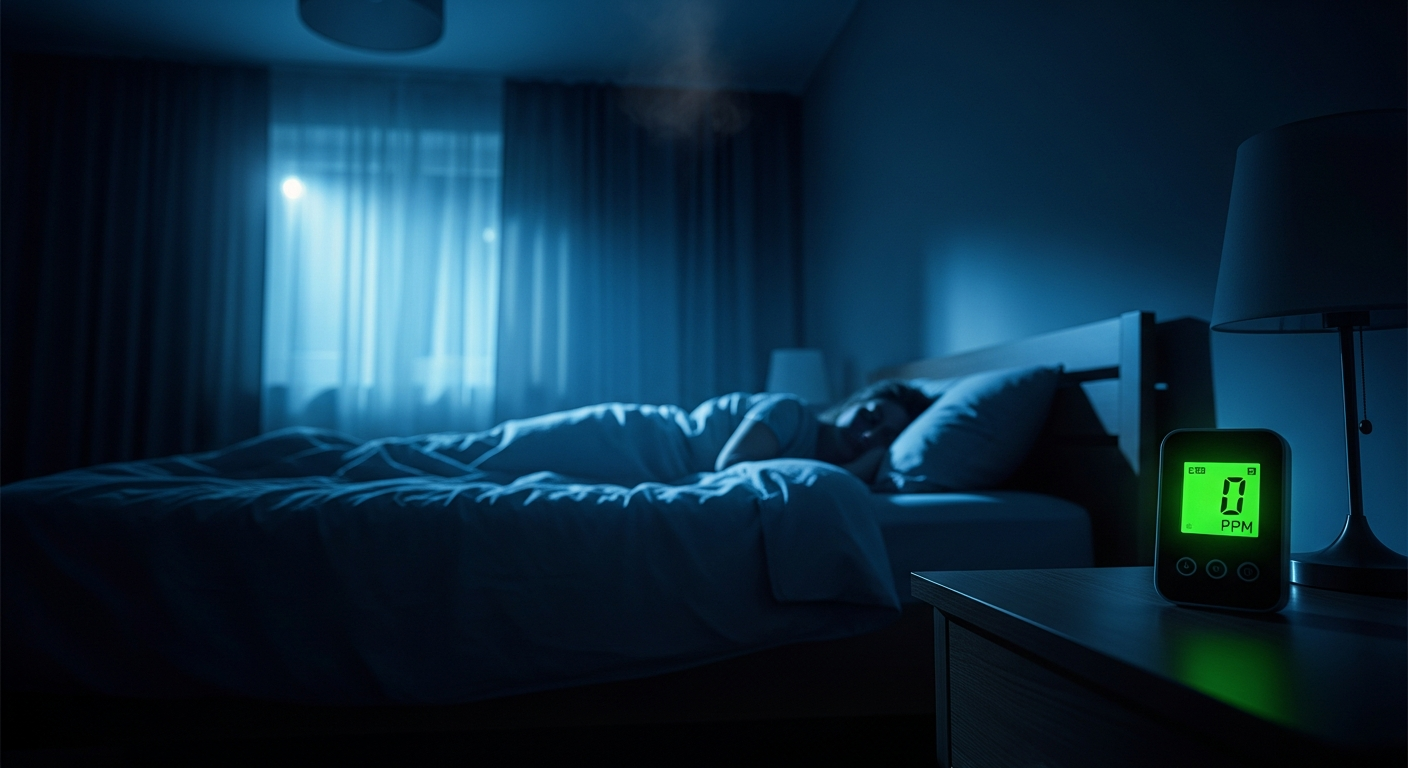
Children's bodies process carbon monoxide differently than adults. Because children breathe faster — 20–40 breaths per minute versus 12–20 for adults — they accumulate carboxyhemoglobin (COHb) in the blood more rapidly at any given CO concentration. The CDC reports that children, pregnant women, and the elderly face elevated risk at CO levels that a healthy adult might tolerate with only mild symptoms. In recent hospitalization cases tied to recalled detectors, a common pattern emerged: the detector was present, it was plugged in, and it never alarmed. Parents discovered their children vomiting or confused — classic CO poisoning symptoms — and assumed it was a virus. What Happens If You Breathe Carbon Monoxide? A Complete Guide By the time emergency responders confirmed CO and found the silent, faulty detector, COHb levels in the children exceeded 20% — a concentration associated with severe neurological damage. CPSC data shows that CO poisoning is the leading cause of accidental poisoning death in the United States, killing approximately 430 people per year and sending over 100,000 to emergency rooms. Children under five are disproportionately represented in hospitalization statistics because they spend more time at floor level, where CO concentrations can be slightly higher, and because their symptoms — lethargy, vomiting — are easily misread as illness. Takeaway: A CO detector that does not display live PPM levels cannot be trusted to protect children, because you have no way to verify it is actively sensing.
How Do You Verify Whether Your CO Detector Meets Real Safety Standards?
Start with the physical label. A genuine UL listing will include the UL holographic mark and a specific file number (e.g., E123456) that you can verify at UL's Product iQ database — ul.com/products. Counterfeit units often print the UL logo but list a file number that does not exist or belongs to a different product category. This takes less than two minutes to check and immediately separates legitimate units from counterfeits. Next, check the CPSC recall database at cpsc.gov/Recalls. Enter the brand name and model number. If your unit appears, stop using it immediately, ventilate your home, and follow the remedy instructions. NFPA 720 recommends testing CO detectors monthly using the manufacturer's test button — but critically, the test button only confirms the alarm circuitry works, not the electrochemical sensor itself. The only reliable way to know your CO sensor is actively detecting is a unit that shows a live digital PPM readout at all times — zero PPM in clean air confirms the sensor is sampling and calibrated. Carbon Monoxide PPM Levels Explained: What's Safe, What's Dangerous Units without displays give no such confirmation. A unit showing 0 ppm in a ventilated room and rising PPM when exposed to a gas source is demonstrably working. Also check the manufacture date printed on the back. Electrochemical sensors degrade after 5–7 years regardless of use. How Long Do Carbon Monoxide Detectors Last? When to Replace Yours Any unit older than 5 years should be replaced even if it passed a recall search. Takeaway: Three verification steps — UL file number lookup, CPSC recall search, and manufacture date check — take under five minutes and tell you everything about whether your detector is actually safe.
What Should You Look for When Replacing a Recalled CO Detector?
- Verified UL 2034 listing: confirm the specific file number at ul.com/products — do not rely on the printed logo alone
- Live digital PPM display: a real-time reading of 0 ppm in clean air proves the sensor is actively functioning, not just waiting to alarm
- Electrochemical sensor technology: the same sensor standard used in professional industrial monitors, far more accurate than metal-oxide sensors in budget units
- Multi-gas detection: units that also detect methane and propane catch combustion hazards your gas appliances or generator can produce simultaneously
- Plug-in design with backup capability: direct power means no dead-battery failure — the most common reason detectors go silent overnight
- Universal voltage compatibility (100–240V): essential if you travel internationally or use the detector across multiple locations including rentals and hotels
- Portability for non-home environments: boats, RVs, hotel rooms, and cars all present CO risk — a detector that travels with you covers all of them Carbon Monoxide in Airbnbs and Vacation Rentals: What Every Summer Traveler Needs to Know
If a recall notice, a hospitalization story, or this article has made you question the device currently plugged into your wall, that doubt is warranted — and it is actionable. The AirShield™ 3-in-1 Portable Carbon Monoxide Detector is built around an electrochemical sensor paired with a Smart M8 Chip, displaying live CO, methane, and propane PPM on an OLED screen 24 hours a day. You can see it working at 0 ppm in clean air right now — no guesswork, no silent failures. It is UL listed, runs on universal 100–240V with international adapters, and goes wherever your family does — home, rental, hotel, or boat. Visit airshield.store to replace your recalled or unverified detector with something you can actually see working.
Frequently Asked Questions
Sources & References
- U.S. Consumer Product Safety Commission (CPSC) — Official recall database for consumer CO detectors including units sold through online marketplaces
- CDC — Carbon Monoxide Poisoning — Annual CO fatality and hospitalization data in the United States
- UL Standards — UL 2034 — Minimum performance requirements for residential CO alarms
- NFPA 720 — Standard for installation of CO detection and warning equipment
- American Association of Poison Control Centers — CO exposure incident tracking and child poisoning data
Protect Your Home with AirShield™
The only portable CO detector that shows you real-time PPM readings on a live OLED display. Electrochemical sensor, multi-gas detection, UL listed.
Check Availability →
Loading comments...