Yes, a gas water heater can absolutely produce carbon monoxide — and it does so every time it runs. Under normal conditions, combustion gases vent safely outside. But when something goes wrong with the flue, burner, or air supply, CO spills directly into your home. Gas water heaters are one of the most underestimated CO sources in residential settings, yet the CPSC consistently lists them among the leading appliances involved in non-fire carbon monoxide incidents. This guide explains exactly how water heater CO leaks happen, what physical warning signs to look for, where to place a detector, and what to do the moment an alarm sounds — so you can protect your household before CO ever becomes a crisis.
How Does a Gas Water Heater Actually Produce Carbon Monoxide?
Every gas-burning appliance relies on combustion — the chemical reaction between a fuel (natural gas or propane) and oxygen. When combustion is complete, the primary byproducts are carbon dioxide (CO₂) and water vapor, both relatively harmless. But when combustion is incomplete — because of insufficient oxygen, a dirty burner, or a malfunctioning heat exchanger — carbon monoxide is produced instead. Complete combustion produces CO₂; incomplete combustion produces CO, and the difference between the two can be lethal. A standard tank-style gas water heater fires its burner multiple times per day, which means any persistent combustion problem creates a recurring CO source inside your home. The most common reasons a water heater slips into incomplete combustion include: restricted combustion air (the appliance literally runs out of oxygen), a dirty or corroded burner assembly, a cracked or deteriorated flue pipe that recirculates exhaust gases back into the unit, and backdrafting — where negative air pressure inside the home reverses the flue gas flow. According to the U.S. Department of Energy, proper venting and adequate combustion air are the two most critical safety requirements for any gas water heater installation. Furnace Carbon Monoxide: Why Your Heating System Is the Biggest CO Risk in Your Home covers similar combustion risks in HVAC systems. Takeaway: A gas water heater produces CO every time it fires — proper venting is the only thing standing between that CO and your living space.
What Are the Physical Warning Signs of a CO Leak from a Water Heater?
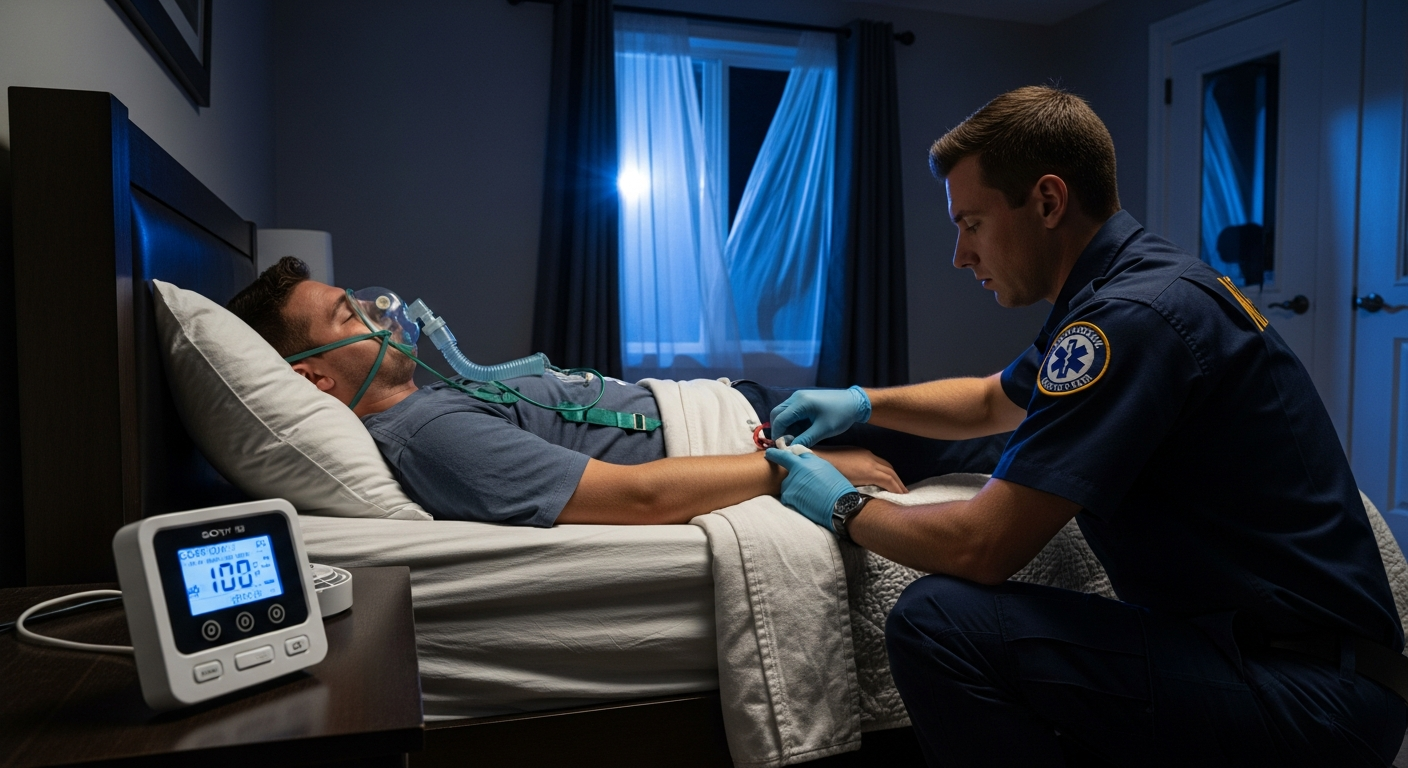
Because CO is invisible and odorless, the appliance itself often provides the earliest clues that something is wrong — before any detector alarms. The most reliable visual indicator is burner flame color: a healthy gas flame burns blue with a small inner cone. A yellow, orange, or flickering flame signals incomplete combustion and active CO production. Soot or black carbon staining on or around the unit is another critical red flag — it means exhaust gases are escaping the combustion chamber rather than venting outside. A yellow flame or soot buildup on a gas water heater is a visual CO warning that demands immediate professional inspection. Other appliance-level warning signs include: the pilot light going out repeatedly, an unusual or unfamiliar smell near the unit (often described as a faintly acrid odor from combustion byproducts), and visible rust or corrosion on the flue pipe connections. At the household level, the CDC notes that unexplained headaches, dizziness, fatigue, or nausea that improve when occupants leave the home are classic indicators of chronic low-level CO exposure — symptoms that are frequently misdiagnosed as the flu. The CPSC reports that approximately 430 Americans die from unintentional non-fire CO poisoning annually, and many of these deaths involve appliances that showed physical warning signs that went unrecognized. Carbon Monoxide PPM Levels Explained: What's Safe, What's Dangerous provides a full breakdown of what different CO concentrations do to the human body. Takeaway: Physical appliance clues — flame color, soot, and pilot failures — are your earliest warning system before CO levels reach detector-alarm thresholds.
Where Should You Place a CO Detector If You Have a Gas Water Heater?
CO detector placement near a water heater follows two guiding principles: proximity to the source and coverage of occupied sleeping areas. Unlike smoke, which rises sharply, CO has nearly the same density as air and distributes relatively evenly throughout a room — meaning floor-level placement is not required. The NFPA recommends mounting CO detectors at approximately shoulder height (roughly 5 feet off the floor) or on the ceiling, and placing one within 10 feet of each fuel-burning appliance. For a water heater located in a utility closet, basement, or garage, the detector should be on the wall just outside the door of that space so it can detect escaping CO without being buried in a confined mechanical room. Carbon Monoxide Detector Placement: Exactly Where to Put Yours covers whole-home placement strategy in detail. Every home with a gas water heater should have at least one CO detector within 10 feet of the appliance AND one outside each sleeping area — these two requirements address both the source and the people at risk. The NFPA also mandates CO detectors on every habitable level of the home. If your water heater shares a mechanical room with a furnace or gas dryer, a single well-placed detector can cover multiple appliances — but don't rely on a distant bedroom unit to catch a slow leak in the basement. NIOSH data confirms that 35 ppm is the maximum safe 8-hour exposure ceiling, and CO from a faulty water heater that runs several cycles overnight can easily surpass that threshold before dawn. Carbon Monoxide Poisoning While Sleeping: The Real Risk explains why overnight exposure is especially dangerous. Takeaway: One detector near the water heater plus one outside each sleeping area is the minimum protection standard for any gas-appliance household.
What Maintenance Steps Dramatically Reduce Water Heater CO Risk?
- Schedule an annual professional inspection: A certified technician checks burner efficiency, heat exchanger integrity, flue pipe connections, and venting draft — the American Gas Association recommends this every 12 months for all gas appliances.
- Verify combustion air supply: Ensure the water heater closet or mechanical room has adequate air intake vents; blocked louvered doors or added insulation can starve the burner of oxygen and trigger incomplete combustion.
- Inspect the flue pipe twice a year: Look for visible rust, separated joints, bird nests or debris in the exterior vent cap, and any signs of soot near connections — all indicate exhaust is not exiting properly.
- Watch your flame color at every relight: Any time you relight a pilot or observe the burner through the sight glass, the flame should be predominantly blue; yellow or orange flames mean call a technician immediately.
- Test your CO detector monthly and replace it on schedule: UL-listed detectors have a sensor lifespan of 5–7 years; a detector past its end-of-life date may not alarm even at dangerous CO concentrations. How Long Do Carbon Monoxide Detectors Last? When to Replace Yours
- Never store combustible materials near the water heater: Paint, solvents, and cleaning products near the burner can disrupt airflow and create conditions that increase CO production.
- Install a CO detector with live PPM display: A detector that shows real-time CO concentration lets you catch rising levels — even below the alarm threshold — before a situation becomes an emergency.
A gas water heater runs silently in the background of daily life — easy to forget, impossible to smell when it malfunctions. The protection gap between a slow CO leak and a household emergency is measured in PPM and minutes, which is why a reliable, always-on detector isn't optional. The AirShield™ 3-in-1 Portable Carbon Monoxide Detector pairs an electrochemical sensor with a Smart M8 Chip to deliver live CO, methane, and propane readings on a crisp OLED display — so you see exactly what's in your air, not just a blinking light. It plugs directly into any outlet (100–240V with included international adapters), making it equally effective in a basement utility room, a hotel bathroom with a gas water heater, or an RV. UL listed and built for 24/7 monitoring, it's the one device that closes the coverage gap a traditional alarm leaves open. Visit airshield.store to add a AirShield™ 3-in-1 Portable Carbon Monoxide Detector to every level of your home — because the water heater that runs overnight shouldn't be the risk you never saw coming.
Frequently Asked Questions
Sources & References
- U.S. Consumer Product Safety Commission (CPSC) — Confirms water heaters as a leading non-fire CO source in residential settings
- Centers for Disease Control and Prevention (CDC) — Reports 430 unintentional non-fire CO deaths annually in the U.S. and identifies fuel-burning appliances as the primary cause
- National Fire Protection Association (NFPA) — Provides residential CO detector placement standards and appliance risk data
- U.S. Department of Energy (DOE) — Details combustion processes in gas water heaters and ventilation requirements
- National Institute for Occupational Safety and Health (NIOSH) — Establishes CO exposure thresholds including the 35 ppm ceiling for an 8-hour workday
- American Gas Association (AGA) — Outlines proper venting and maintenance requirements for residential gas appliances including water heaters
- Underwriters Laboratories (UL) — Defines UL 2034 standard for residential CO alarm performance and detection thresholds
Protect Your Home with AirShield™
The only portable CO detector that shows you real-time PPM readings on a live OLED display. Electrochemical sensor, multi-gas detection, UL listed.
Check Availability →
Loading comments...