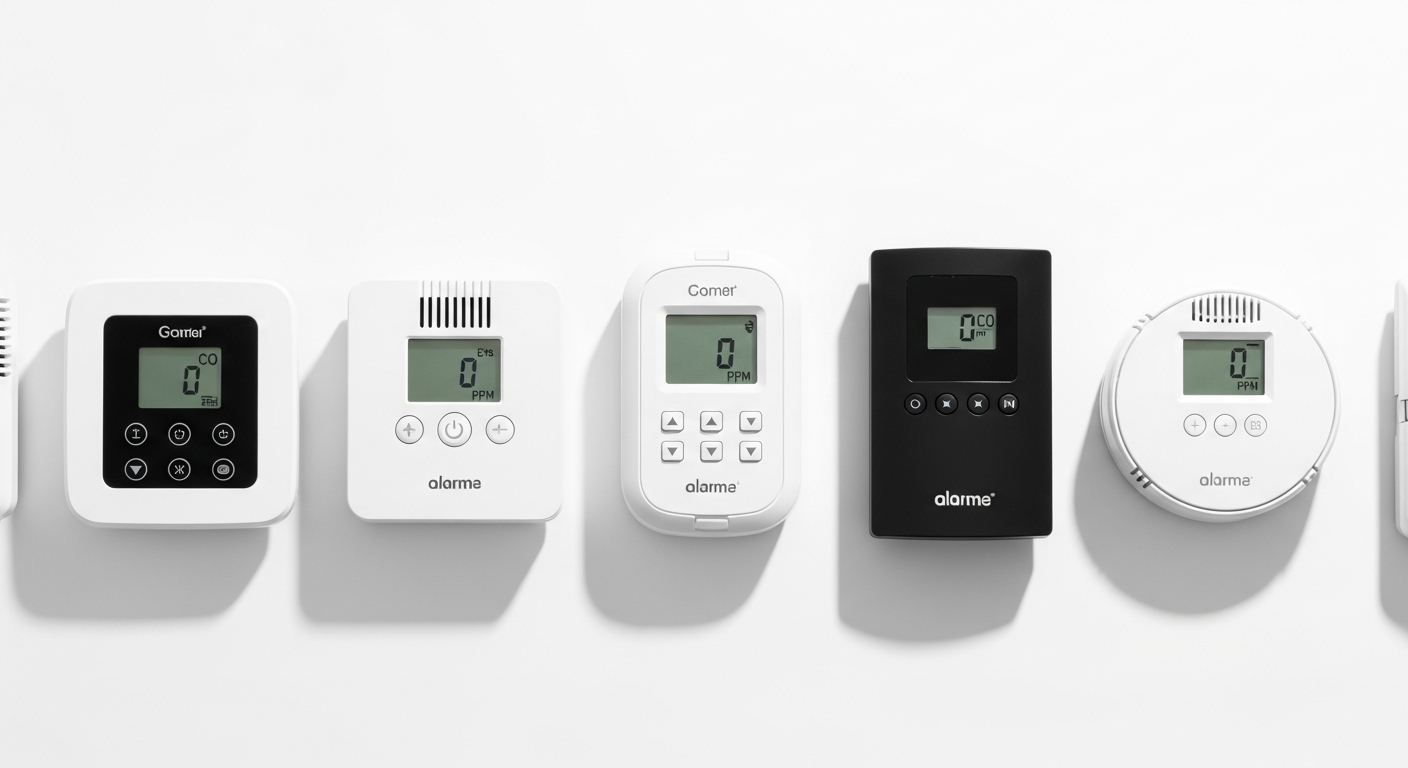
Walk into any hardware store in 2025 and you will find a wall of carbon monoxide detectors ranging from $20 to $80. They all carry the UL 2034 certification. They all alarm when CO reaches dangerous concentrations. And almost all of them share a critical limitation that most buyers don't discover until it's too late: they only tell you there is a problem after you have been breathing hazardous air for an extended period. Finding the best carbon monoxide detector in 2025 is not about reading star ratings on a product page — it's about understanding what the alarm threshold standard actually requires, which sensor technology is most reliable, and what features genuinely change the safety outcome. This guide covers all of it, with the technical context that most product reviews skip.
What UL 2034 Certification Actually Means — and What It Doesn't
Every carbon monoxide detector sold in the United States must meet the UL 2034 standard, which defines the minimum alarm thresholds: the detector must alarm within 70 minutes at 70 ppm, within 10 minutes at 150 ppm, and within 4 minutes at 400 ppm. This is designed to prevent acute fatal poisoning during a single high-concentration event. What UL 2034 does not require is any response to chronic low-level exposure — repeated exposure at 15 to 35 ppm over days or weeks, which research links to neurological effects, cardiovascular stress, and symptoms that are routinely misdiagnosed as influenza or tension headaches. A detector that meets the minimum UL 2034 standard will not alarm during most chronic low-level CO events. It will give you no information about whether your home's CO concentration is 0 ppm, 18 ppm, or 34 ppm — all of which represent meaningfully different health risk profiles. The certification confirms the detector can detect CO. It says nothing about whether the detector will tell you about CO before it becomes an emergency. Takeaway: UL 2034 is a floor, not a ceiling. The best carbon monoxide detectors in 2025 do far more than meet the minimum.
Sensor Technology: Why Electrochemical Wins
Three sensor types appear in consumer CO detectors: electrochemical, metal oxide semiconductor (MOS), and biomimetic. The differences between them have direct consequences for accuracy, reliability, and longevity. Electrochemical sensors measure CO concentration by oxidizing CO at a sensing electrode and measuring the resulting electrical current — a reaction that is proportional, highly selective, and accurate down to single-digit ppm concentrations. They are used in professional fire department meters, HVAC instruments, and medical equipment for exactly this reason. MOS sensors detect CO by measuring changes in electrical resistance in a metal oxide material — they are cheaper to produce but significantly less selective, meaning they can false-alarm on humidity, alcohol, or solvent vapors, and they degrade in accuracy faster than electrochemical sensors. Biomimetic sensors use a gel that changes color in the presence of CO, mimicking hemoglobin absorption — they are simple and low-power but cannot produce live numeric readings and require a reset period after CO exposure. Takeaway: the best CO detectors in 2025 use electrochemical sensors. If the product listing does not specify the sensor type, assume it is MOS and evaluate accordingly.
The Display Difference: Why Live PPM Changes Everything
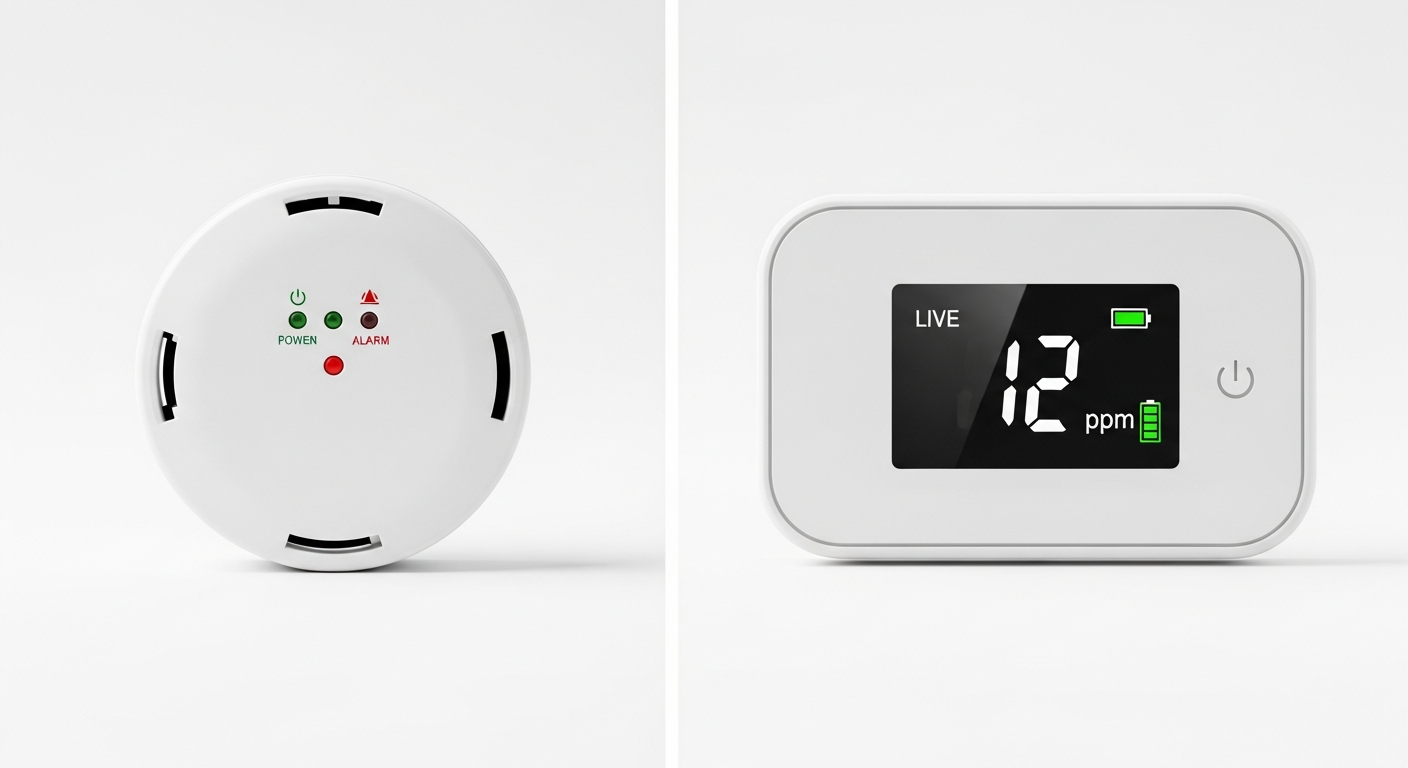
The most consequential single feature in a CO detector is whether it shows a live parts-per-million reading. Here is why. An alarm-only detector gives you a binary output: safe or alarm. You have no way to know whether your home's CO concentration is 0, 12, or 45 ppm without triggering the alarm — because the alarm doesn't trigger until UL 2034 thresholds are reached. A detector with a live PPM display gives you the actual number at all times. You can see 8 ppm when you light the gas stove and watch it return to 0 after turning on the range hood. You can see 22 ppm building after an hour of oven use in a small kitchen with no ventilation. You can see 0 ppm and know with certainty that your home has no CO, rather than hoping the alarm isn't just not triggered yet. A live display also gives you the ability to recognize sub-alarm chronic exposure — the kind UL 2034 doesn't require detection of — and to assess whether a CO alarm event is a real sustained concentration or a transient spike. Takeaway: a live PPM display is not a luxury feature in 2025. It is the most meaningful upgrade available.
Placement, Power, and Multi-Gas Coverage
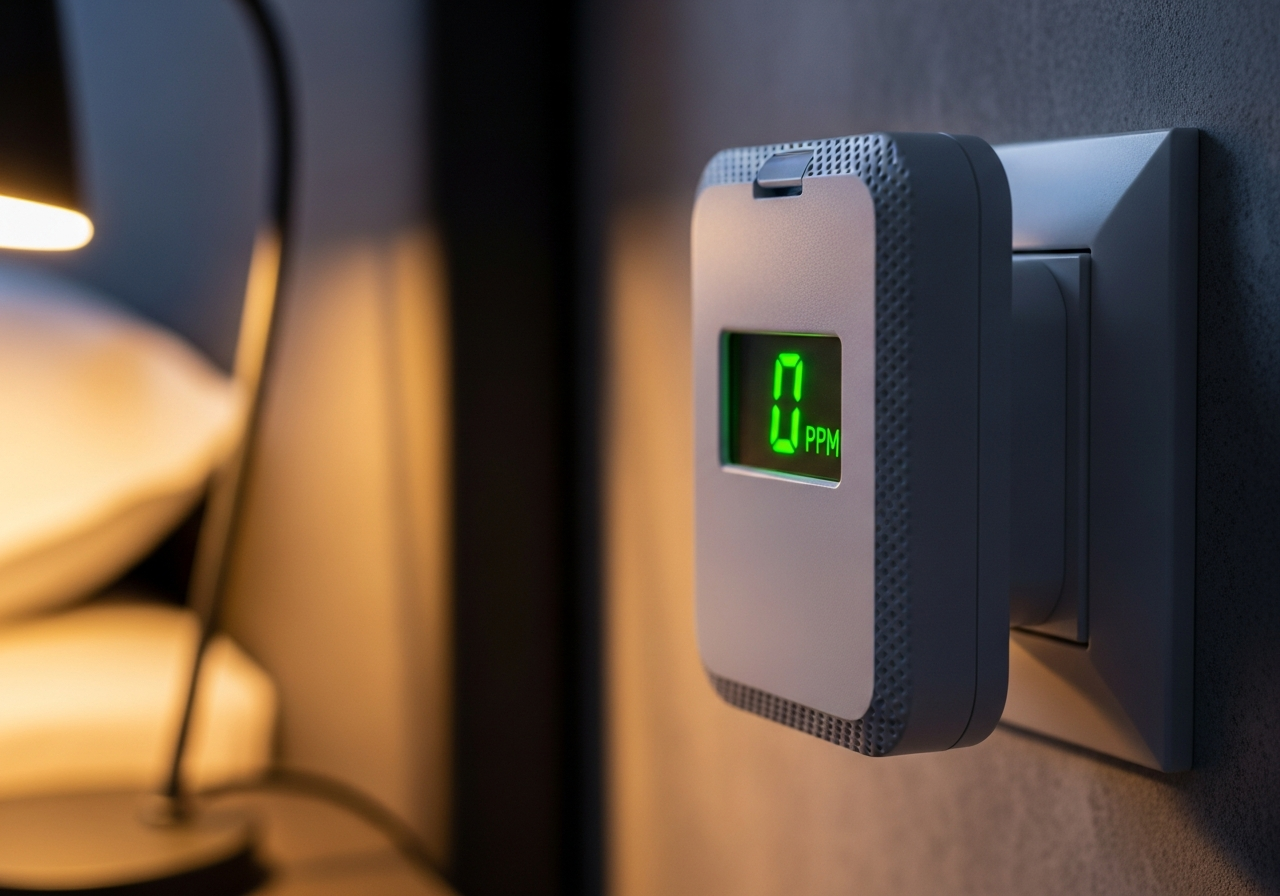
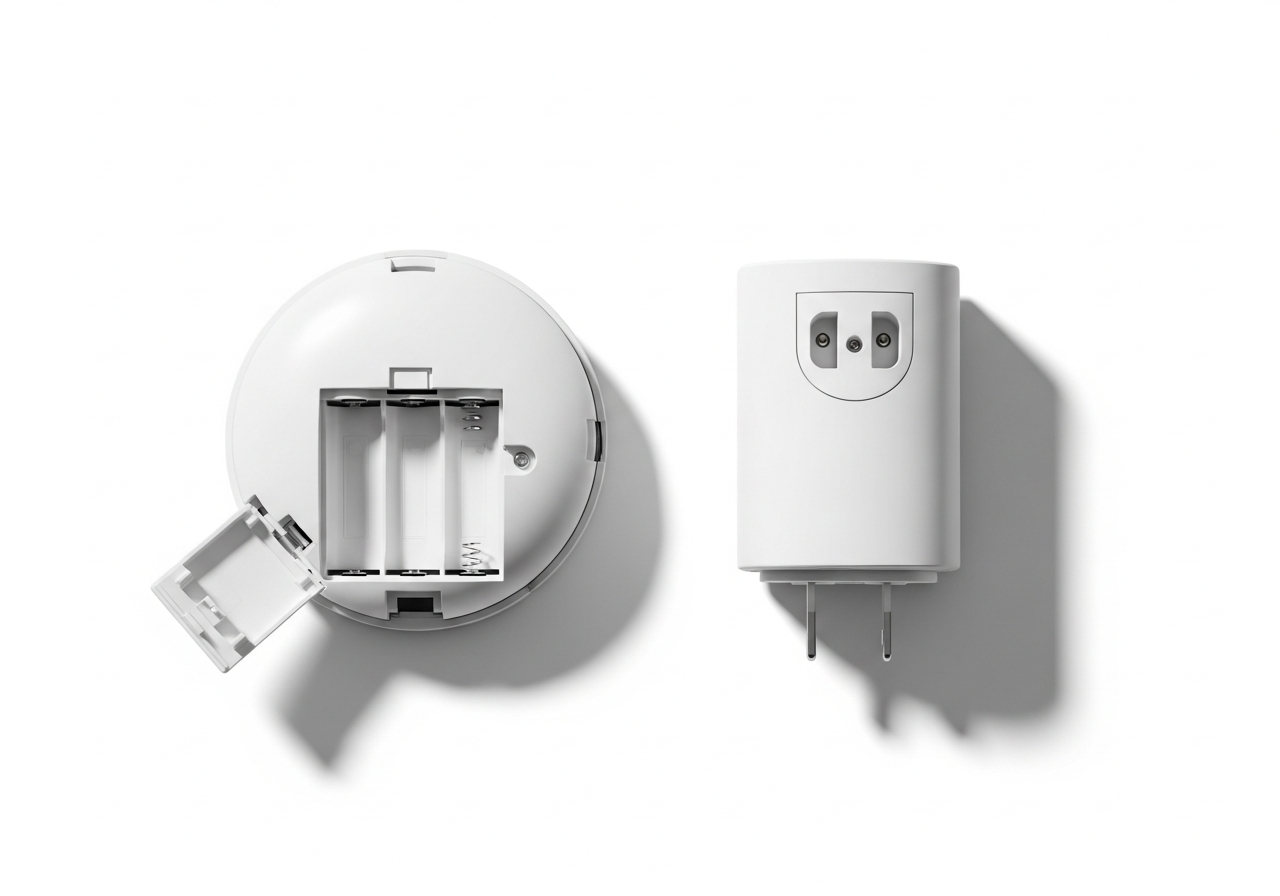
Beyond sensor technology and display, three practical factors differentiate the best carbon monoxide detectors from the adequate ones. Placement: CO detectors should be installed at breathing height — roughly five feet above the floor — not mounted on the ceiling (CO is near-weightless and distributes throughout a room, but ceiling placement is too far from where occupants breathe during sleep). One detector per floor minimum, with priority given to locations outside sleeping areas. Power: plug-in detectors eliminate battery failure as a risk factor. A detector that relies entirely on batteries may fail silently during a power outage — precisely when CO risk is elevated due to increased generator and alternative heating use. Plug-in models with battery backup are the best of both. Multi-gas coverage: carbon monoxide is not the only invisible gas hazard in most homes. Methane and propane leak detection in a single device closes coverage gaps that a CO-only detector leaves open — particularly in homes with gas appliances, fireplaces, or attached garages. Takeaway: the best carbon monoxide detector for most homes in 2025 is plug-in, electrochemical, display-equipped, and covers CO, methane, and propane.
Practical Application: How to Choose and Where to Place It
Selecting the best carbon monoxide detector for your home comes down to four questions:
- Does it use an electrochemical sensor? If the listing says MOS or doesn't specify, keep looking.
- Does it show a live numeric PPM reading at all times? This is the single feature most worth paying for.
- Is it plug-in with battery backup, or battery-only? Battery-only is acceptable but adds a maintenance dependency.
- Does it detect methane and propane in addition to CO? In any home with a gas appliance, this matters.
- Once selected: install one outside each sleeping area, one on every floor, and one in or adjacent to any room with a gas appliance. Note the installation date. See the CO Detector Placement Guide for a room-by-room placement guide with exact height and location guidance.
- Use the CO PPM Levels Reference Chart to understand what every CO concentration means — from safe background levels to immediately fatal — and why the 70 ppm alarm threshold alone isn't enough.
- Use the CO Detector Expiration Calculator to verify your current detectors haven't silently expired — most electrochemical sensors degrade after 5–7 years with no outward sign.
- Consider keeping a portable unit: travel, vacation rentals, and hotel stays involve CO risks that a fixed home detector cannot address. Portable Carbon Monoxide Detector: What It Is, Who Needs One, and How to Choose
The best carbon monoxide detector in 2025 is not the most expensive unit in the store or the one with the most star ratings. It is the one that gives you real information — a live concentration reading — before a dangerous threshold is reached, uses a sensor technology reliable enough to be trusted in professional settings, and covers the full range of gas hazards present in your home. The minimum standard gets most people through most situations. But most is not good enough when the alternative is a 400 ppm alarm at 2 AM.
Protect Your Home with AirShield™
The only portable CO detector that shows you real-time PPM readings on a live OLED display. Electrochemical sensor, multi-gas detection, UL listed.
Check Availability →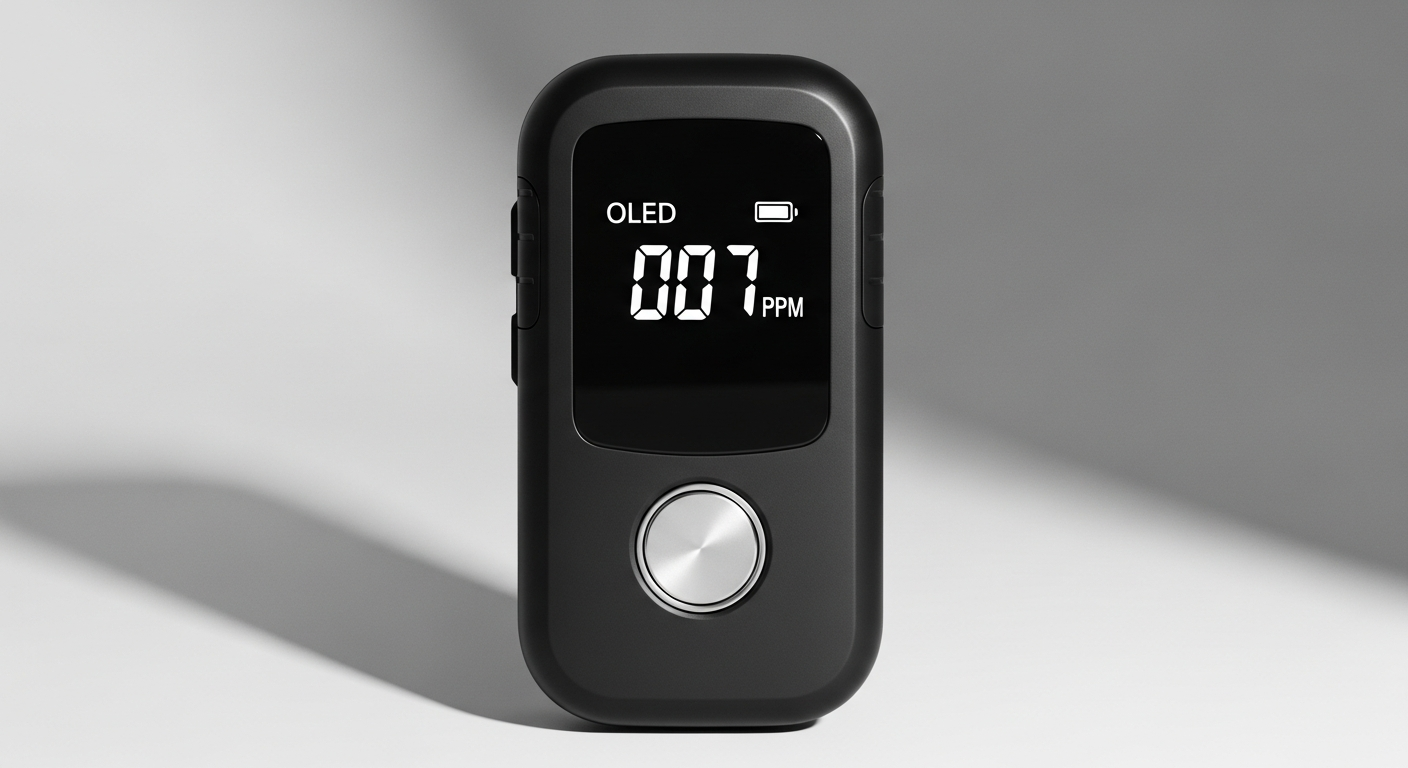
Loading comments...