
Carbon monoxide is called the silent killer for a reason: it has no color, no smell, and no taste. You cannot detect it without a sensor. That said, there are indirect signs — from your body, your appliances, and your environment — that can suggest CO may be present.
Physical Symptoms as a Clue

If CO is accumulating in your home, the first indication is often how you feel. Low-level CO exposure produces symptoms that are easy to dismiss:
- Persistent headache, especially across the forehead — often the first sign
- Mild nausea or dizziness that improves when you leave the house
- Fatigue disproportionate to your activity level
- Shortness of breath during light exertion
- Multiple people in the home feeling ill simultaneously — a critical indicator
Appliance Warning Signs
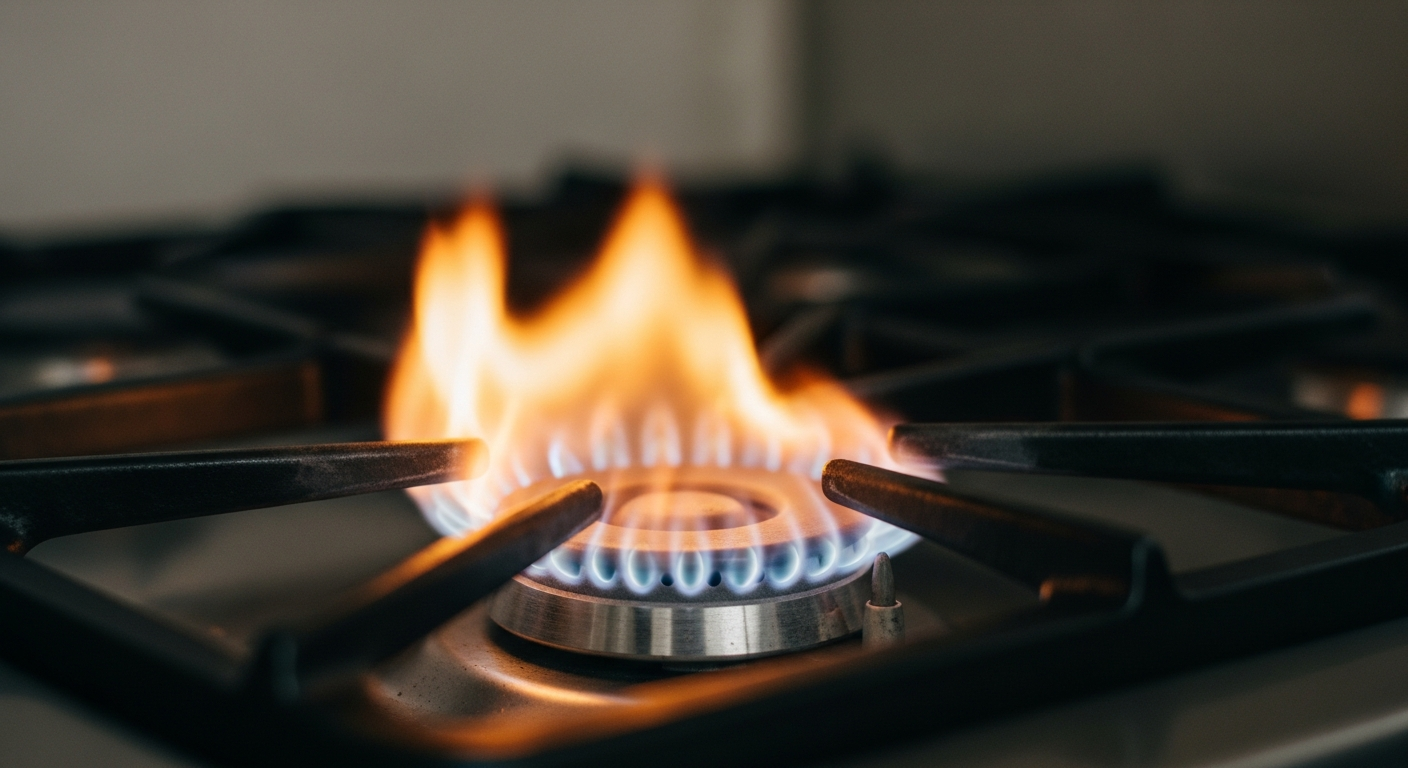
CO is produced by incomplete combustion. Your fuel-burning appliances can give visual clues that something isn't burning correctly:
- Yellow or orange flame on a gas burner instead of blue — indicates incomplete combustion and elevated CO production
- Soot or black marks around burners, furnace vents, or fireplace openings
- Excessive condensation on windows near appliances — a sign of combustion gases venting indoors
- A furnace that cycles on and off more frequently than usual
- Visible rust or corrosion on flue pipes or vent connections
Environmental Clues
- Other people in adjacent units (apartments, condos) reporting similar symptoms simultaneously
- Pets acting lethargic or disoriented — animals often show CO symptoms before humans due to smaller body mass
- A gas stove that burns with an uneven or yellow flame
- A fireplace that smells of exhaust rather than burning wood when in use
The Only Way to Confirm It
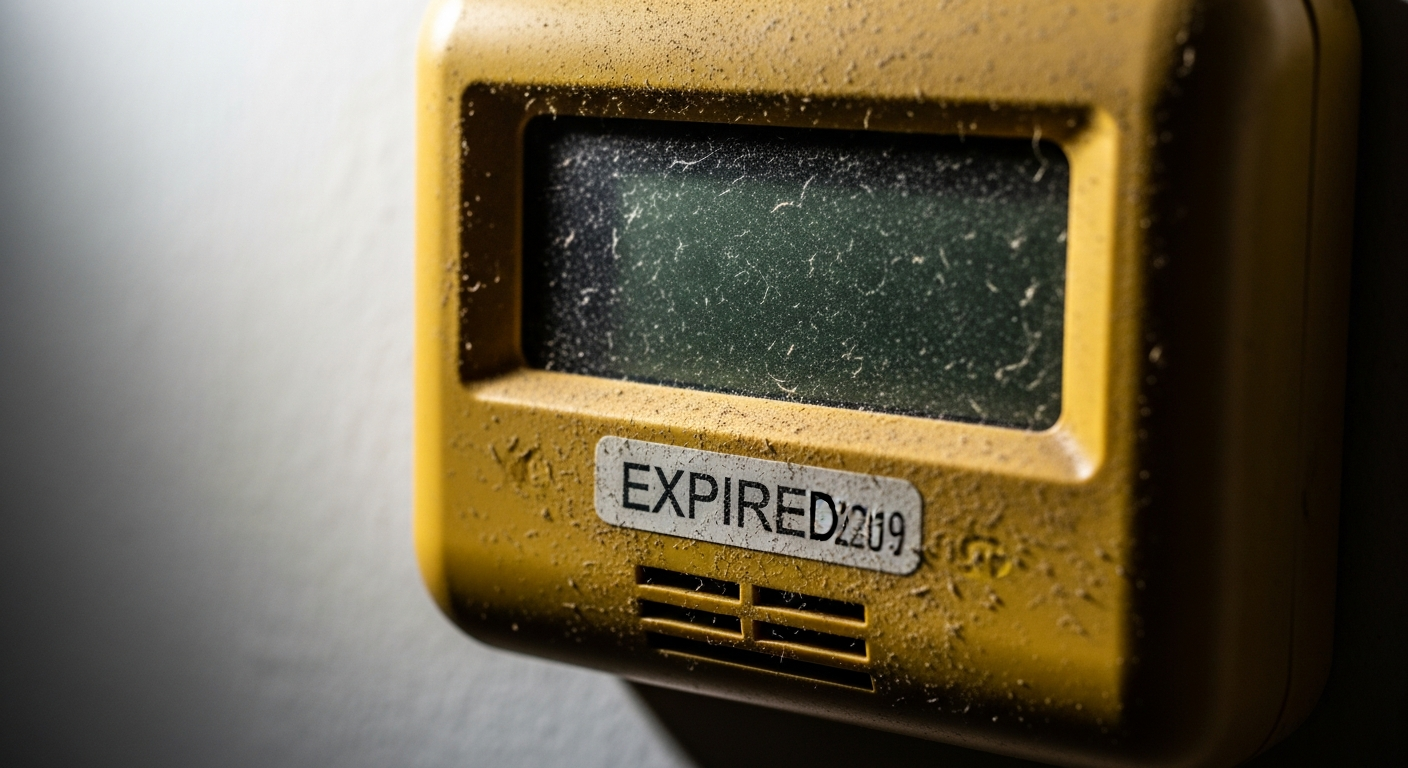
Physical symptoms and appliance clues are indicators — not confirmation. The only way to know whether CO is present is a sensor reading. A live PPM display gives you an immediate answer: you can walk into any room, glance at the detector, and know the CO concentration in real time. An alarm-only detector gives you nothing until a dangerous threshold has already been sustained.
- Plug in a CO detector with a live PPM display as soon as you suspect a problem
- A reading of 0–9 ppm is normal; 10–35 ppm warrants investigation; 35 ppm+ warrants immediate ventilation and evacuation
- If anyone is symptomatic, leave the house first — confirm from outside
AirShield displays live CO, methane, and propane readings simultaneously so you can confirm or rule out a gas problem in seconds — before symptoms have a chance to escalate.
Protect Your Home with AirShield™
The only portable CO detector that shows you real-time PPM readings on a live OLED display. Electrochemical sensor, multi-gas detection, UL listed.
Check Availability →
Loading comments...