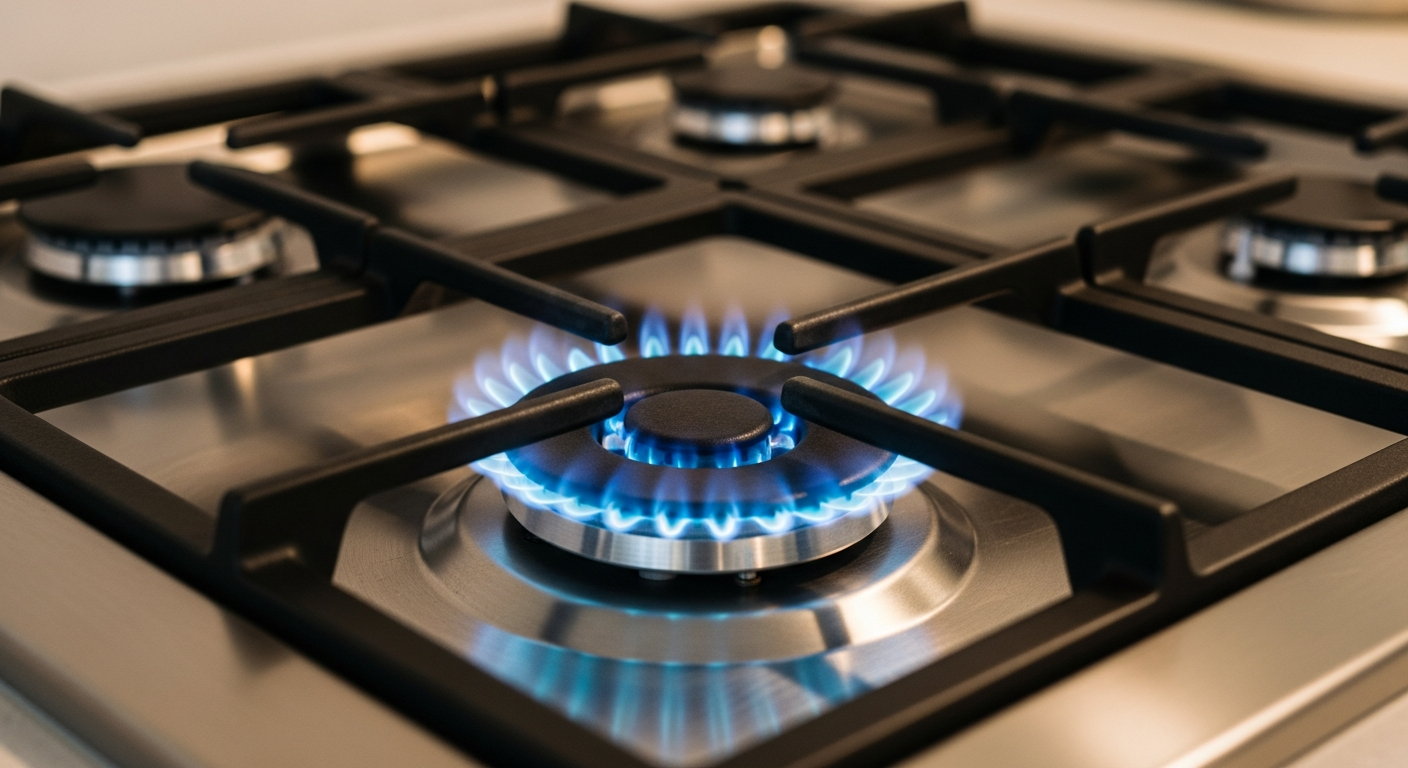
Yes — gas stoves produce carbon monoxide. This isn't a malfunction or a defect; it's a byproduct of combustion. Any device that burns fuel — natural gas, propane, wood, oil — produces CO as part of the combustion process. The question isn't whether your gas stove produces CO. It's whether your kitchen is ventilating it adequately.
How Much CO Does a Gas Stove Produce?
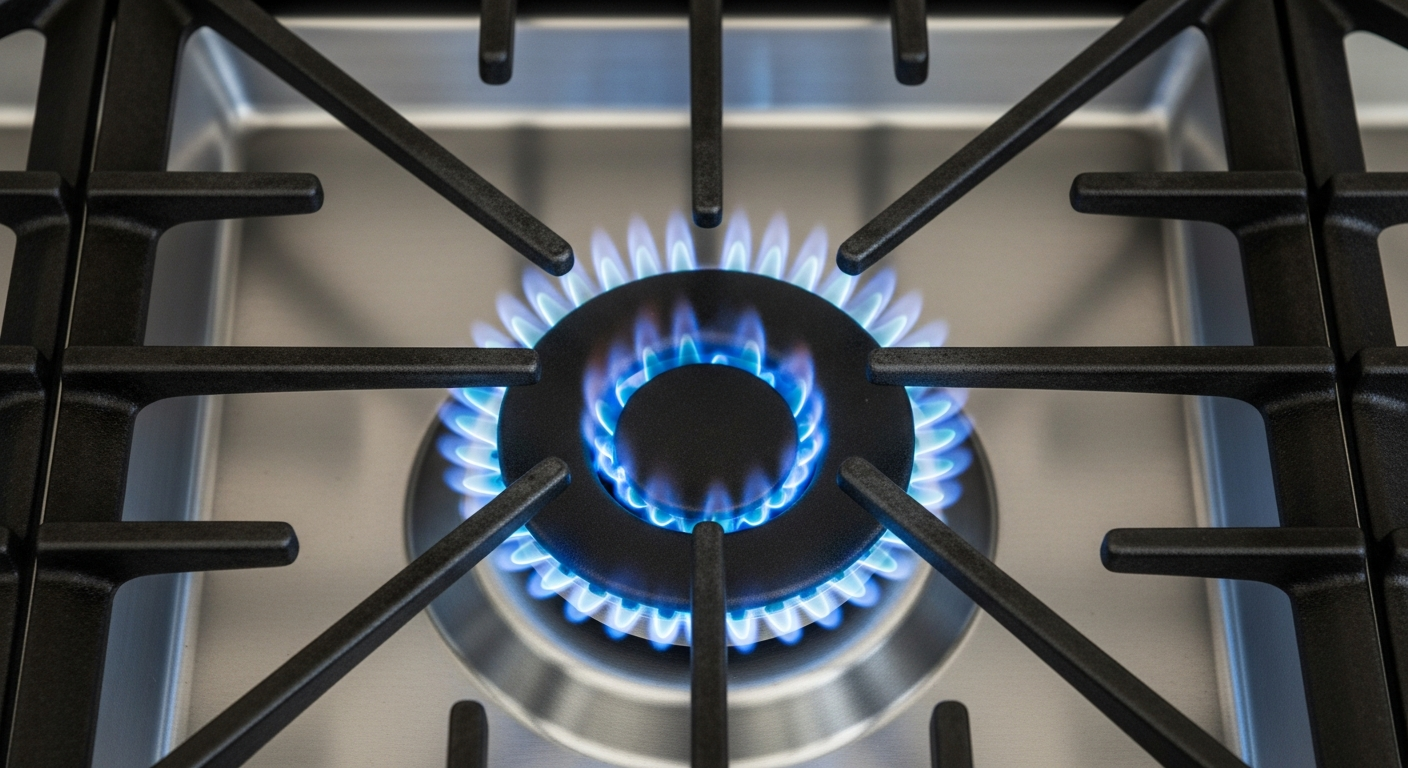
A properly functioning gas burner with a clean blue flame produces relatively small amounts of CO. The concern rises under specific conditions:
- Yellow or orange flame instead of blue — indicates incomplete combustion and significantly elevated CO output
- Using multiple burners simultaneously without adequate ventilation
- Running the oven for extended periods in a small, sealed kitchen
- Burners that haven't been cleaned or calibrated recently
- Older appliances with worn igniter systems that don't reach optimal combustion temperature
What Research Shows
A 2020 Stanford study found that gas stoves leak methane continuously — even when not in use — and produce nitrogen dioxide and CO during operation at levels that frequently exceed EPA outdoor air quality standards inside homes. Kitchens in smaller or less-ventilated homes showed the highest pollutant concentrations.
Who Is Most at Risk

- Infants and young children — smaller body mass and faster breathing rate means faster CO absorption
- People with heart disease — even low-level CO reduces the blood's oxygen-carrying capacity, stressing the cardiovascular system
- People who spend long hours in the kitchen — home cooks, restaurant workers in poorly ventilated kitchens
- Residents of small apartments with kitchen and living space combined
How to Reduce CO From a Gas Stove
- Always use the range hood fan when cooking with gas, even for short tasks
- Open a window if the range hood vents to a recirculation filter rather than outside — recirculating hoods do not remove CO
- Have your burners inspected and calibrated if the flame is yellow or uneven
- Never use a gas stove or oven for space heating — this is a direct path to dangerous CO accumulation
- Keep a CO detector in or adjacent to the kitchen to monitor levels during cooking
The Value of a Live Reading
An alarm-only CO detector will not alarm during normal gas stove use because the momentary CO spike doesn't sustain long enough to trigger the UL 2034 threshold. A live PPM display lets you see what's actually happening: the reading climbs to 20 ppm when you light three burners, drops back to 3 ppm when you turn on the range hood, and returns to 0 when you open the window. That information helps you understand your kitchen's ventilation performance — not just wait for an emergency.
AirShield's live display gives you real-time CO readings while you cook, so you can manage your kitchen ventilation based on data rather than guesswork.
Protect Your Home with AirShield™
The only portable CO detector that shows you real-time PPM readings on a live OLED display. Electrochemical sensor, multi-gas detection, UL listed.
Check Availability →
Loading comments...