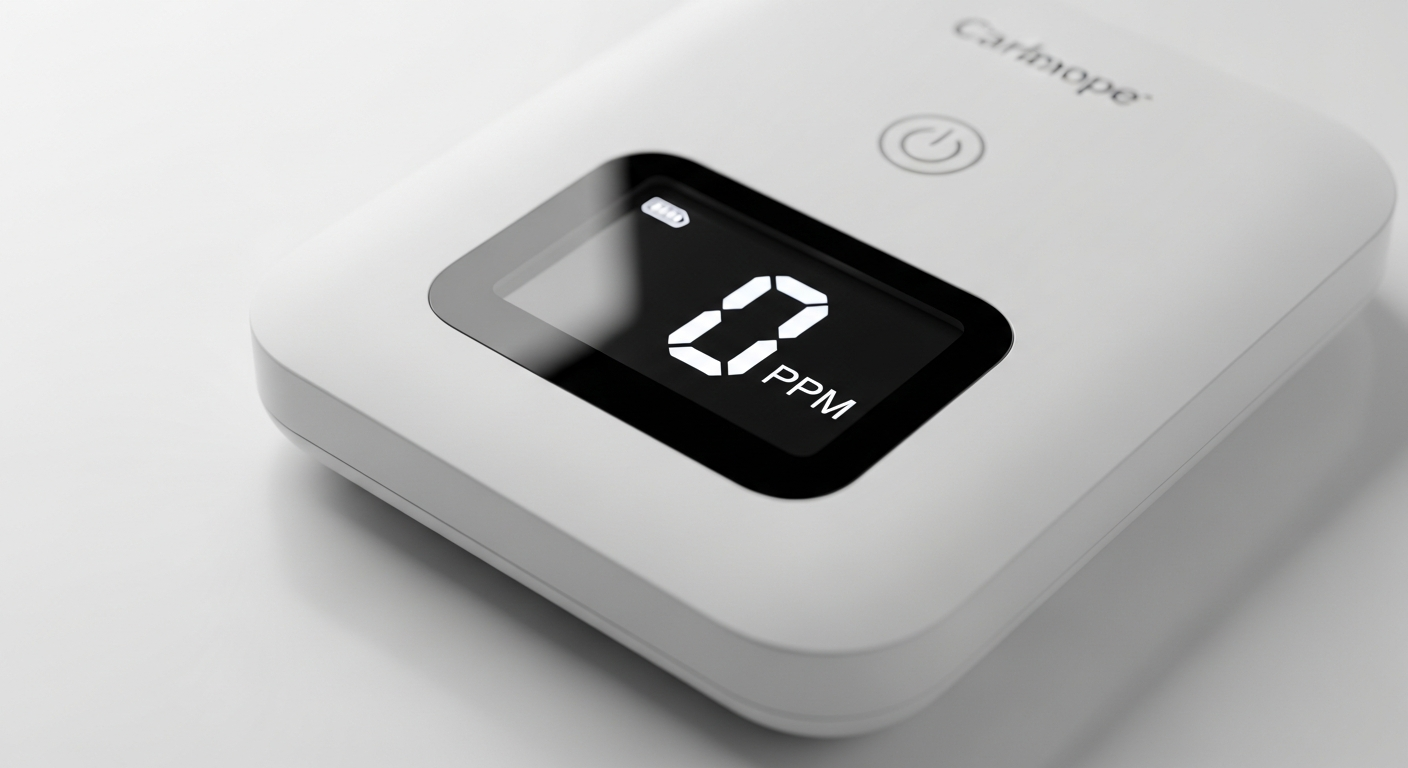
Walk into any hardware store and you'll find a wall of CO detectors priced from $20 to $150+. The packaging looks similar. The spec sheets are confusing. Here's a practical breakdown of what actually matters when choosing a CO detector.
Sensor Type: The Most Important Spec
CO detectors use one of three sensor technologies:
- Electrochemical — the gold standard. A chemical reaction in the sensor generates a measurable current proportional to CO concentration. Accurate, long-lived, and reliable. Used in professional and medical-grade equipment.
- Metal oxide semiconductor (MOS) — cheaper, but drifts over time and is susceptible to false readings from other gases and temperature changes.
- Biomimetic — contains a gel that darkens when CO is present. Low power but requires a reset period and isn't suitable for continuous monitoring.
Electrochemical sensors cost more but deliver significantly better accuracy and reliability. For any application where you're relying on the detector for your safety, this is the only sensor type worth considering.
Alarm Threshold vs. Real-Time Display
Most consumer CO detectors only alarm at fixed thresholds defined by UL 2034 — typically 70 PPM for 60–240 minutes. This means they're designed to alert you to sustained medium-level exposure, not to show you what's happening right now.
- A threshold-only detector gives you no information until the alarm level is reached
- A live PPM display shows you the actual CO concentration at every moment
- Seeing a reading of 15 PPM rising over 30 minutes tells you something is wrong — before you'd ever see a threshold alarm
- For peace of mind and early warning, a live display is far more valuable than a single alarm threshold
UL 2034 Certification
UL 2034 is the primary US standard for residential CO detectors. It defines minimum performance requirements for alarm timing, accuracy, and immunity to false alarms. Any CO detector sold in the US for residential use should carry UL 2034 certification — this isn't a premium feature, it's the baseline. Be cautious of imported devices that don't list this certification.
Portability and Power Source
Most residential CO detectors are hardwired or battery-powered wall units designed for permanent installation. For travelers or anyone who needs protection outside their primary home, plug-in portable detectors are more practical:
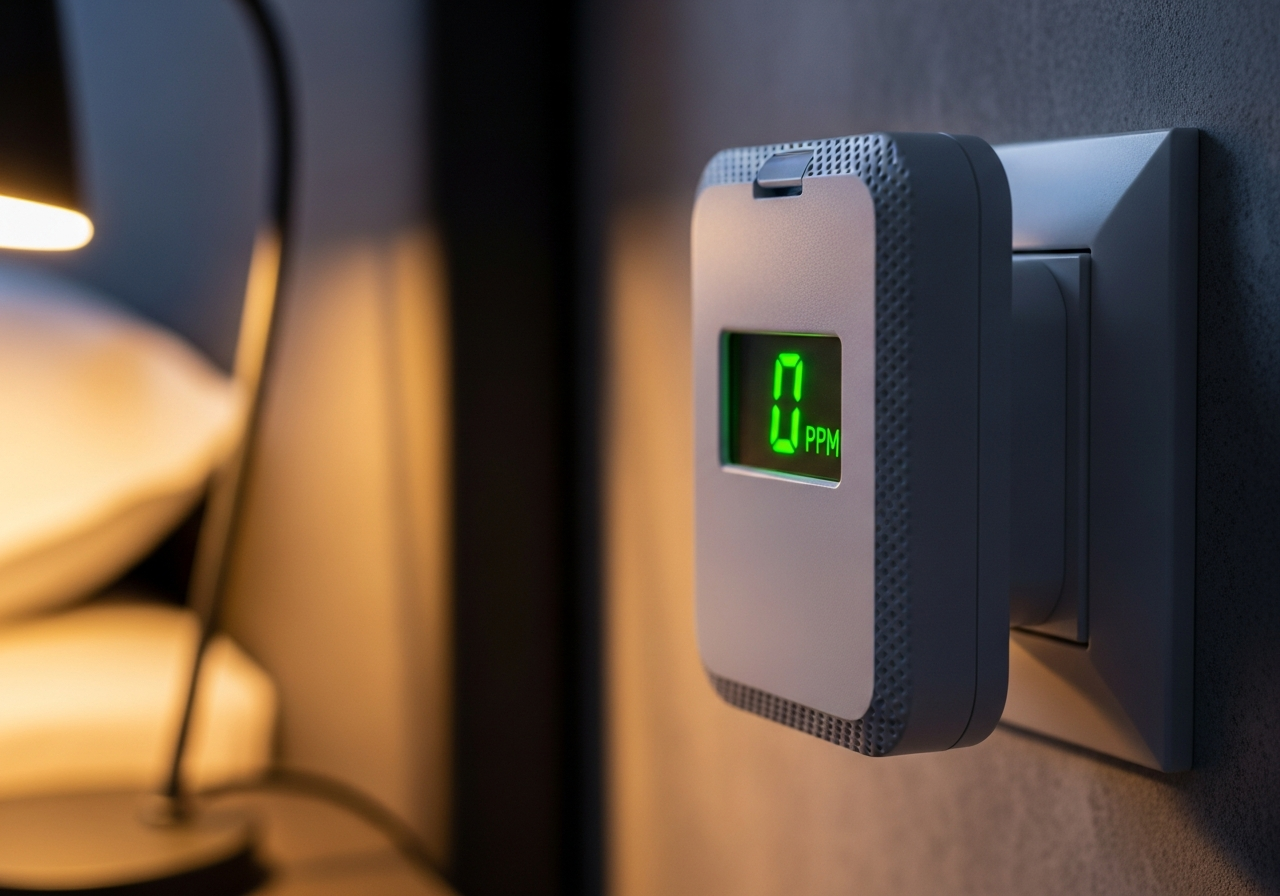
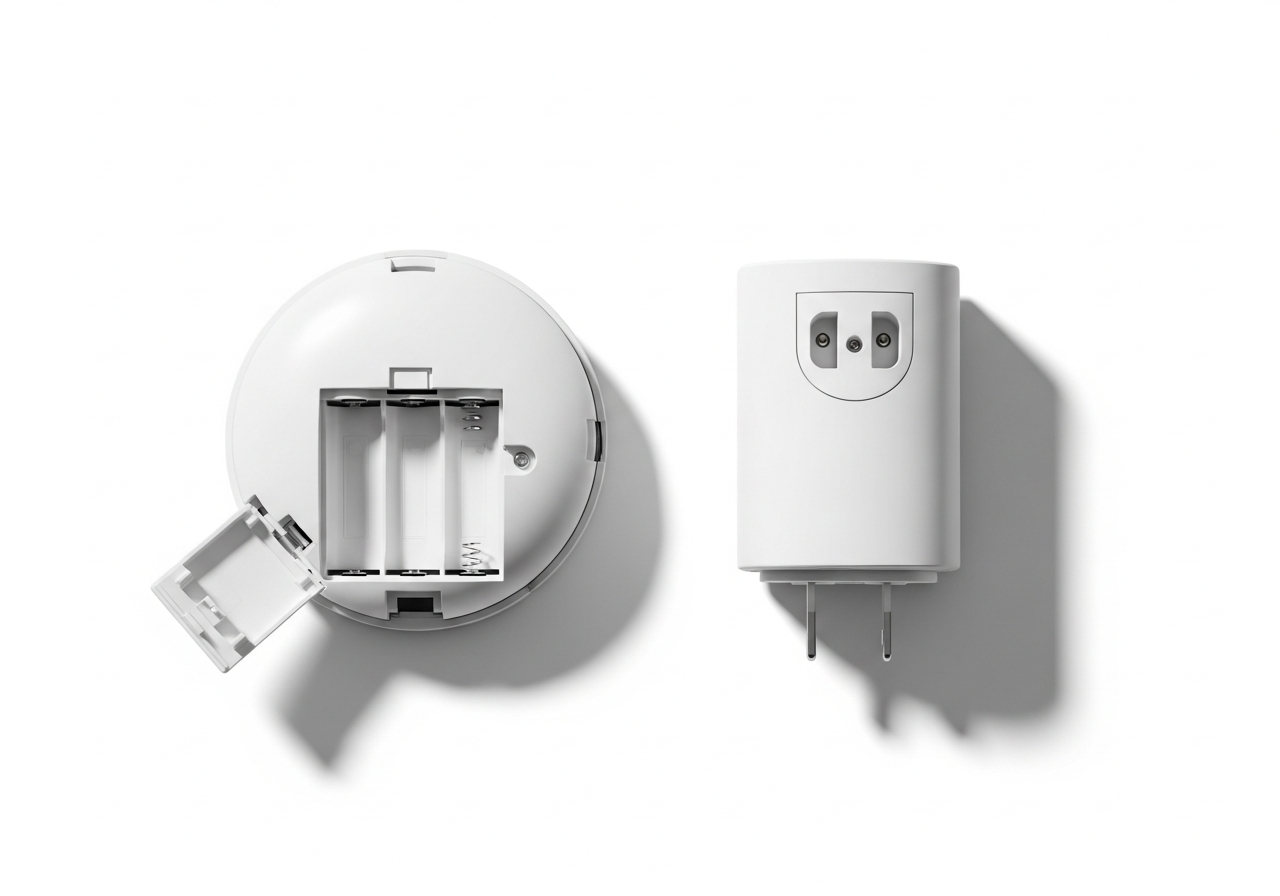
- Plug into any standard outlet — no installation required
- Portable between rooms, homes, hotels, and rentals
- Universal adapter support means they work internationally
- No battery dependence means you're always protected when plugged in
What to Look For at a Glance
- ✅ Electrochemical sensor (not MOS or biomimetic)
- ✅ Live PPM display (not just a threshold alarm)
- ✅ UL 2034 certified
- ✅ Multi-gas detection (CO + methane + propane is ideal)
- ✅ 85+ dB alarm (loud enough to wake a sleeping person)
- ✅ Long sensor lifespan (quality electrochemical sensors last 7–10+ years)
The AirShield detector meets all of these criteria: M8 electrochemical sensor, live OLED PPM display, UL 2034 certified, detects CO, methane, and propane, 85 dB alarm, and a 10-year sensor lifespan. It's designed to give you actual data — not just an alarm you hope never sounds. Use the CO Detector Expiration Calculator to check whether any detector you currently own is still within its operational lifespan before relying on it. For guidance on where to install, see the CO Detector Placement Guide.
Protect Your Home with AirShield™
The only portable CO detector that shows you real-time PPM readings on a live OLED display. Electrochemical sensor, multi-gas detection, UL listed.
Check Availability →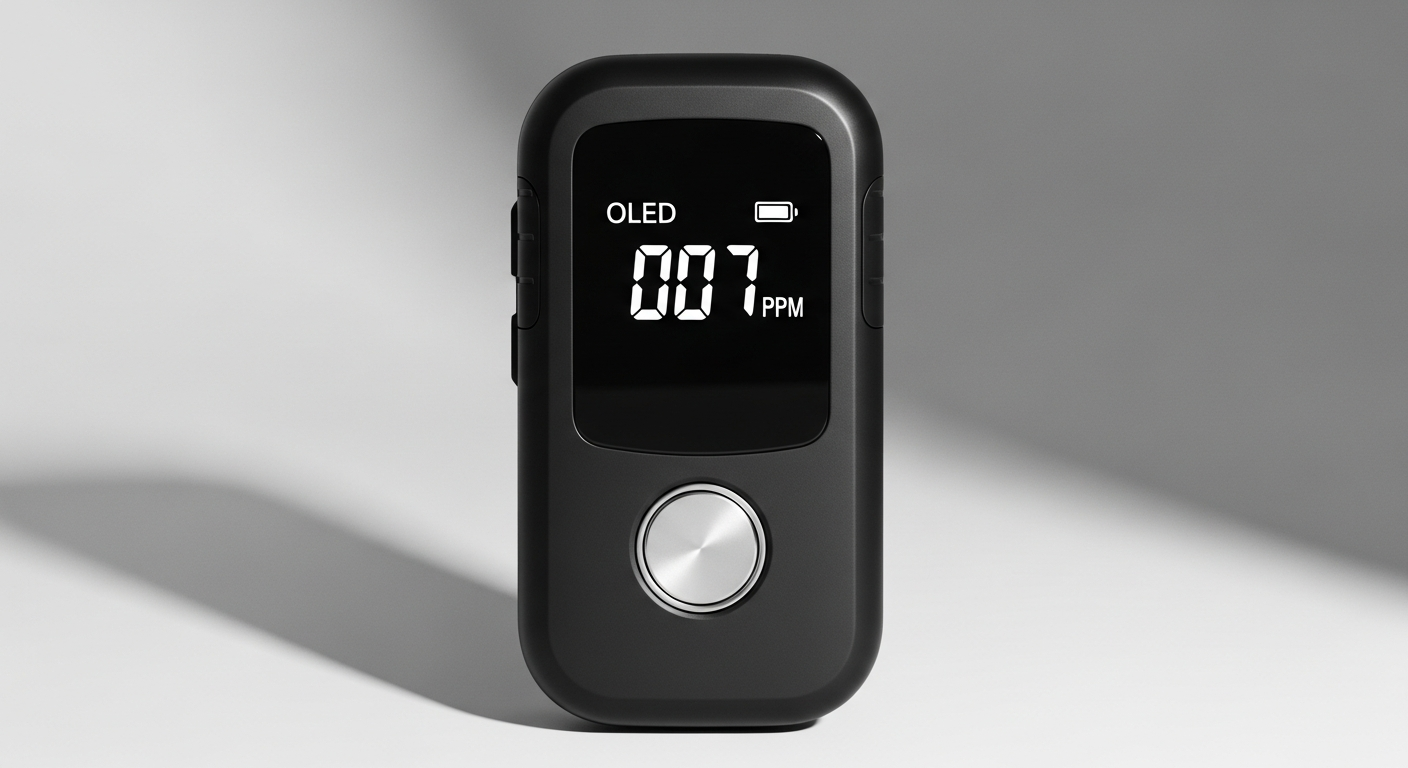
Loading comments...