
Why Vacation Homes Face Higher CO Risk Than Primary Residences
In a primary residence, a furnace that starts running poorly over the winter is noticed by the people living there — the heat is uneven, there is a smell, it cycles on and off too often. In a vacation home that sits unused for seven months, a furnace developing a cracked heat exchanger generates CO into an empty structure. By the time guests arrive in December, the problem has been present for weeks. CO detectors in vacation homes age without anyone checking. A detector installed when the property was purchased five years ago may be at or past its electrochemical sensor's service life. The detector still passes the button test, still sounds when a guest presses it, but the sensor cell that actually responds to CO may no longer function accurately at sub-alarm concentrations. Guests arrive at an unfamiliar property and have no way to evaluate the maintenance history of the HVAC system, the age of the CO detector, or the condition of the flue. They trust the platform they booked through and the host's listing. That trust is the owner's responsibility to deserve.
Airbnb and VRBO: Platform Requirements and Host Liability
Airbnb's Host Health and Safety standards require a working CO detector in every listing where fuel-burning appliances are present. This includes properties with gas furnaces, gas water heaters, gas fireplaces, wood-burning fireplaces, propane appliances, or attached garages. Hosts must disclose whether CO detectors are present in the listing's safety amenities section. A host who lists a property as having CO detectors, but where the detector is expired or missing, faces the worst of both outcomes: guest harm and documented misrepresentation. A host who correctly discloses no CO detector in a gas-appliance home faces a different problem: many guests will not book, and Airbnb may delist or restrict the property. The correct response is not paperwork compliance — it is actual working detectors, tested before each rental season, with manufacture dates checked and units replaced on schedule.
Two Different CO Detector Needs: Property Owner vs Arriving Guest
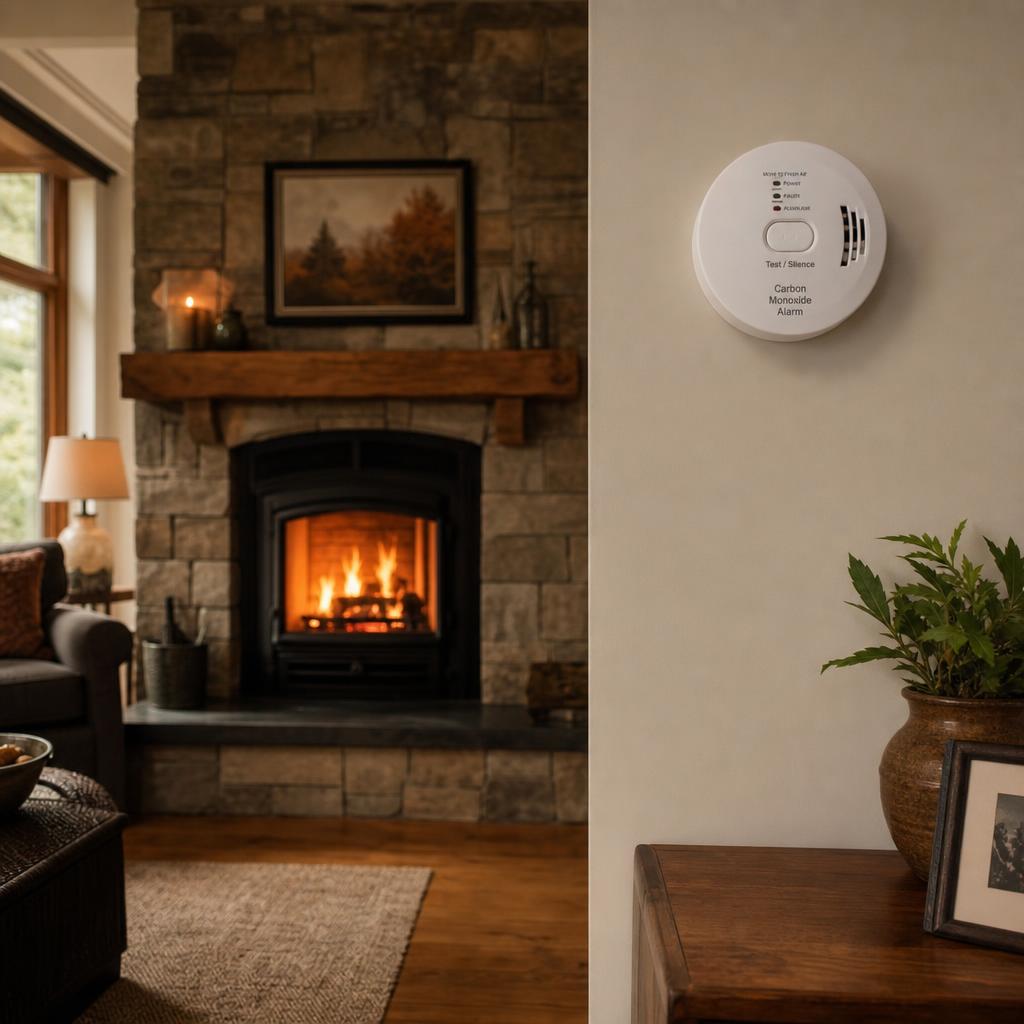
Vacation home CO safety involves two distinct scenarios that require different solutions. As a property owner, you need permanent installed CO detectors that protect guests who do not know to check. These should be plug-in or hardwired units, installed on every sleeping level, maintained and tested before each season. This is what state laws and platform requirements address. As a traveler or guest arriving at a property you do not own, you need a portable CO detector you bring with you. You have no control over when the host last serviced the HVAC, when the detector was installed, or whether the detector's sensor cell is still functional. A portable electrochemical CO detector that you own, know the manufacture date of, and test yourself is the only reliable protection when staying in properties outside your control. AirShield serves both needs. As a property owner's permanent detector, it plugs in and provides continuous live PPM monitoring for every guest. As a traveler's portable, it runs on USB power and can be plugged into any outlet in any rental room within seconds of arrival.
What to Do When Arriving at an Unfamiliar Property
Upon arriving at any vacation rental, hotel room, or property you did not maintain: 1. Look for a CO detector. Note its location and whether it has a digital display. 2. Press the test button. If it alarms, the circuit works — not necessarily the sensor. 3. If you brought a portable CO detector, plug it in and wait 60 seconds. A reading of 0 PPM in clean air confirms the sensor is sampling correctly. 4. If the reading climbs above 15-20 PPM within the first few minutes after arrival, ventilate the space immediately, identify the source, and contact the property manager. 5. If you have any concern about CO safety and the property owner cannot resolve it, request a different room or property and leave. This process takes under two minutes and is the difference between confident arrival and guesswork.
Frequently Asked Questions
Sources & References
- Airbnb Host Health and Safety Requirements — Platform CO detector requirements for hosts
- NFPA 720: CO Detector Installation Standard — Placement and coverage requirements
- CPSC: CO Incidents in Seasonal and Vacation Properties — Incident data by property type
Protect Your Home with AirShield™
The only portable CO detector that shows you real-time PPM readings on a live OLED display. Electrochemical sensor, multi-gas detection, UL listed.
Check Availability →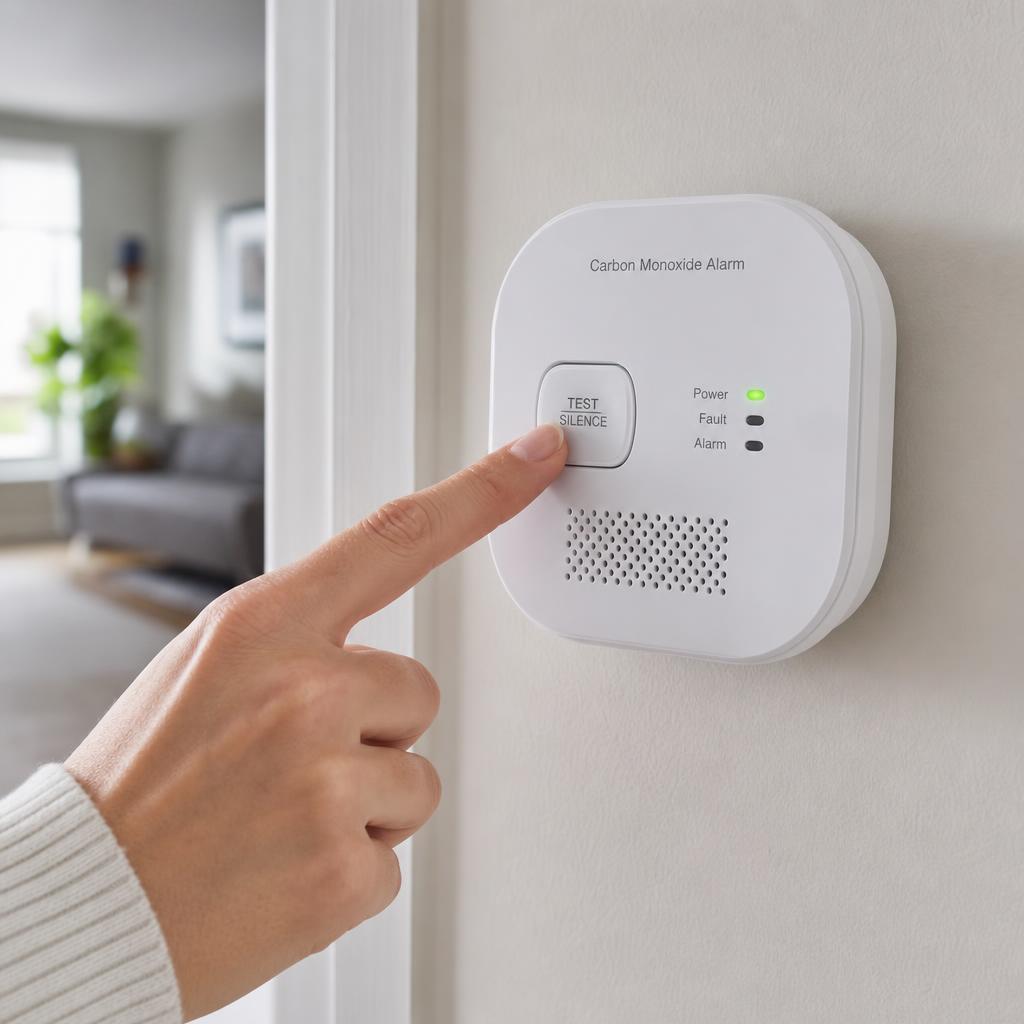
Loading comments...