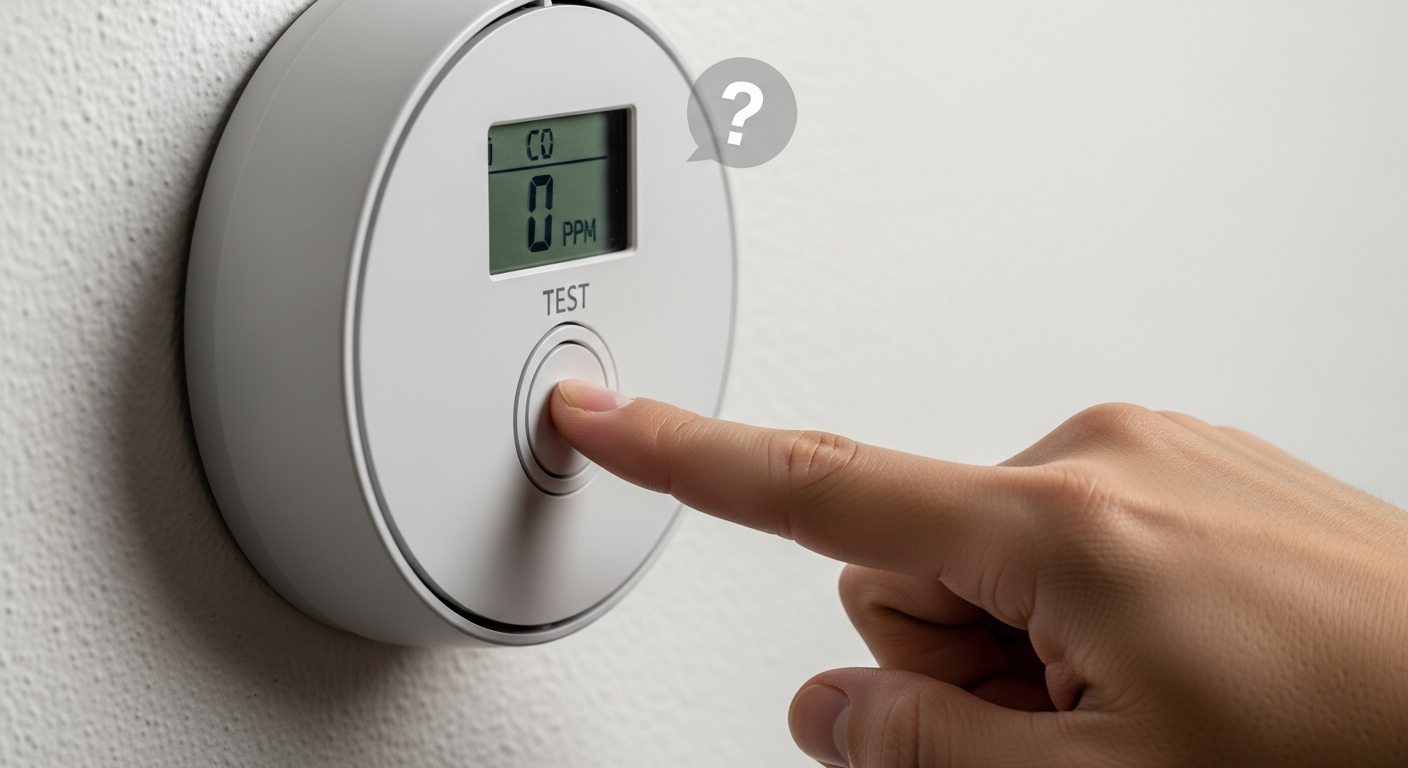
A carbon monoxide detector that looks fine on the wall and even passes the button test may not actually be detecting CO. The test button only confirms the electronics and alarm circuit work — it does not confirm the sensor is still functioning. Millions of American homes have CO detectors with expired sensors that provide zero protection.
The Test Button Doesn't Test the Sensor
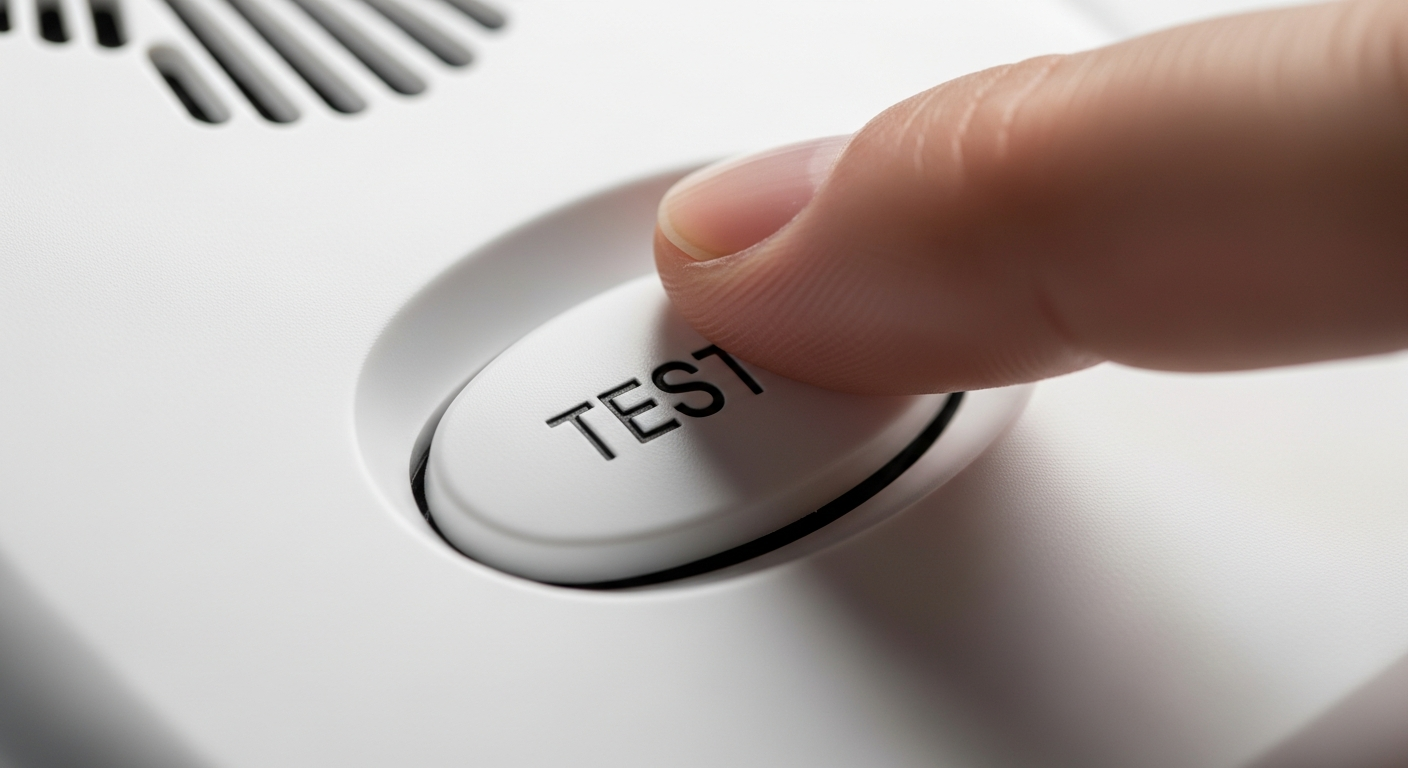
When you press the test button on a CO detector, it triggers the alarm buzzer and confirms the battery and circuitry are operational. What it does not do is expose the sensor to carbon monoxide. The sensor — the component that actually detects the gas — is not tested by this button. A detector can pass the button test and have a completely dead sensor at the same time.
CO Detector Sensor Lifespan
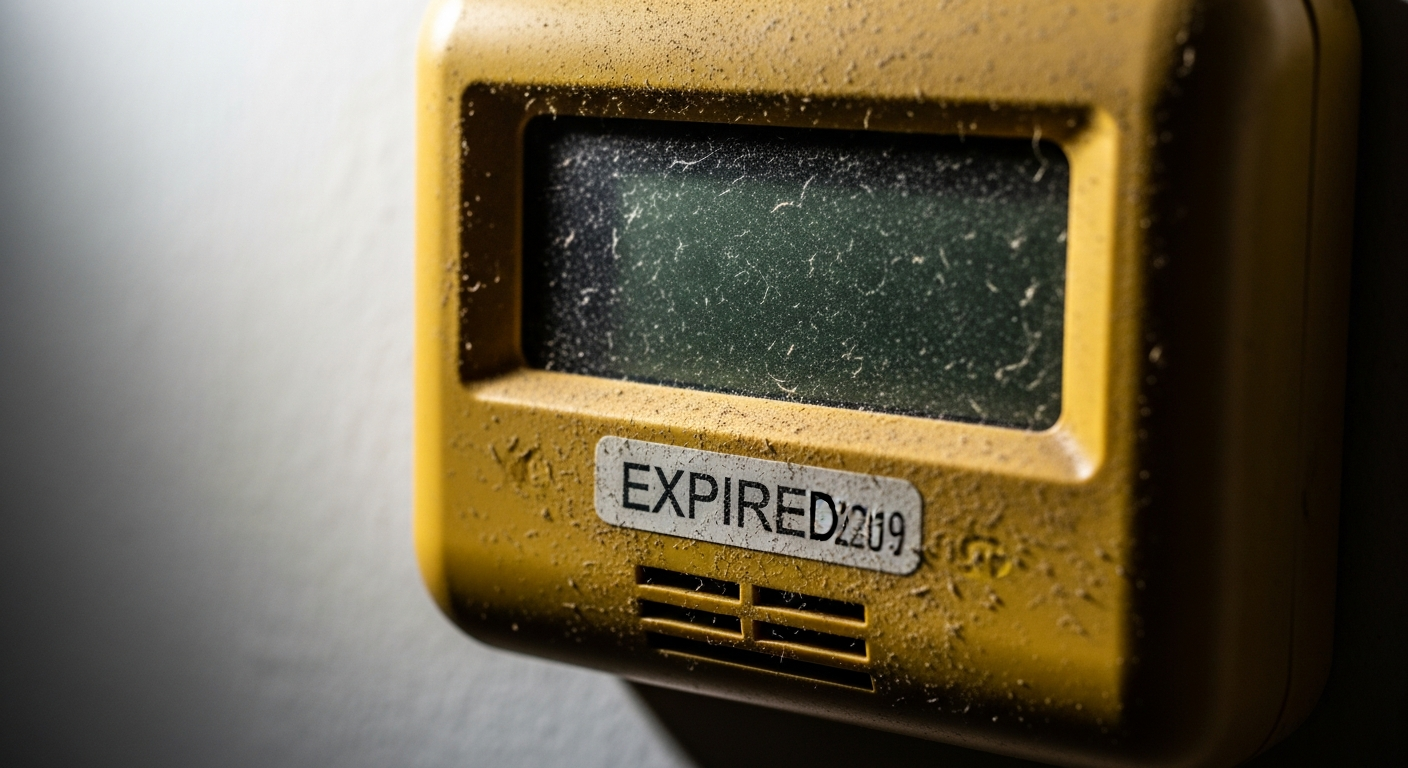
Most CO detectors use electrochemical sensors with a rated lifespan of 5 to 7 years. After that point, the sensor degrades and loses sensitivity. The device may continue to power on and even beep when the button is pressed — but it will not respond to actual CO. Manufacturers print an end-of-life date on the unit, usually on the back or bottom.
- Check the manufacture date or install date on the back of your detector
- Add 5–7 years to get the sensor expiration window
- If the date has passed — or you can't find one — replace the unit
- Most modern detectors will chirp periodically at end of sensor life, but not all do
Signs Your Detector May Have Failed
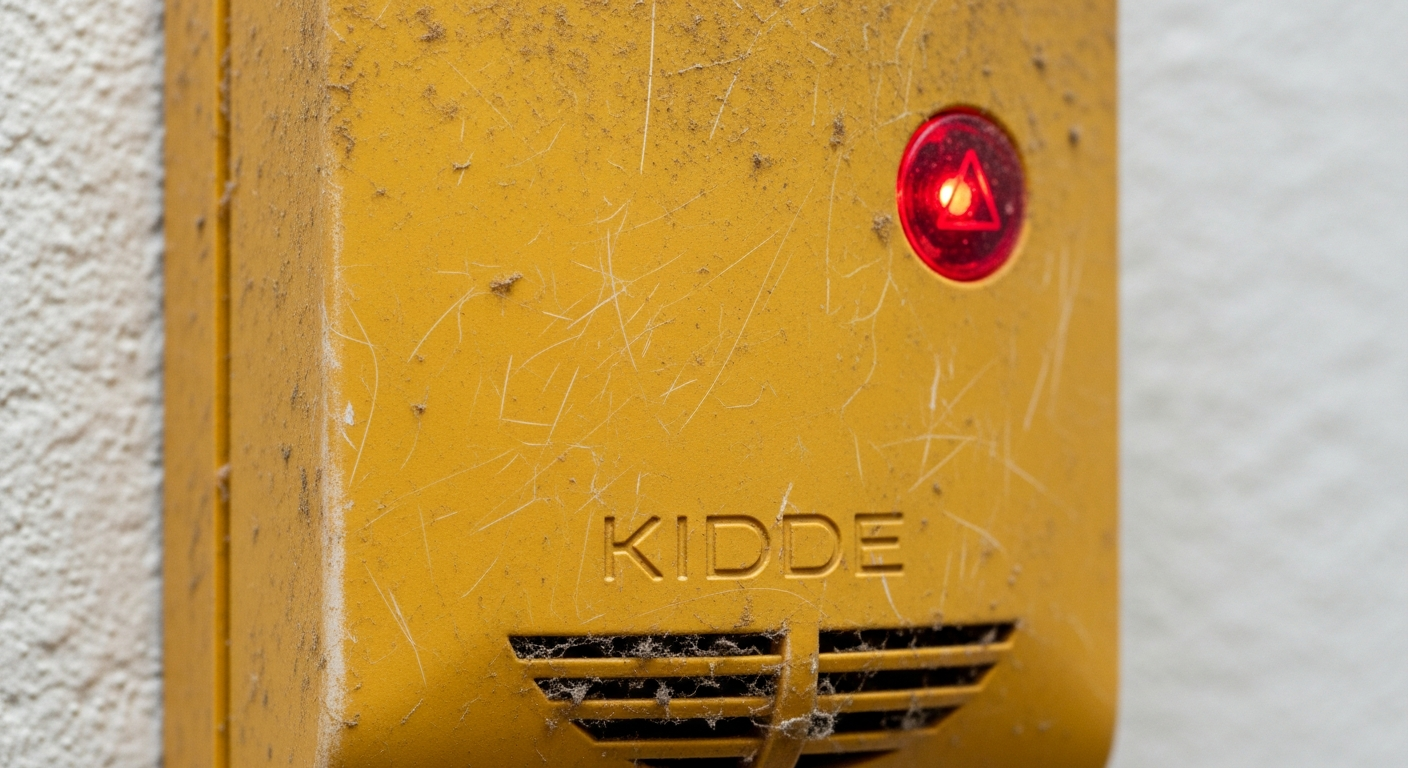
- Constant false alarms with no CO source present — may indicate a failing sensor giving erratic readings
- The unit chirps 5 times repeatedly — many brands use this pattern specifically for end-of-sensor-life alerts
- The display shows 'ERR' or a sensor fault code
- The unit is more than 7 years old with no visible expiration date
- No display — you can't confirm what the detector is actually reading
What to Do If You Suspect a Failure
Replace the unit immediately. A CO detector is not a device to repair or wait on — if there's any doubt about its function, a replacement is the only appropriate response. When replacing:
- Choose a detector with a live PPM display so you can confirm it's actually reading the air — not just waiting for an alarm threshold
- Install on every floor of the home, especially near sleeping areas
- Note the installation date and set a reminder to replace in 5–7 years
- Consider a plug-in model that doesn't depend on batteries
AirShield's electrochemical sensor displays the actual CO concentration in real time, so you always know whether the detector is working — the number on the screen is your confirmation.
Protect Your Home with AirShield™
The only portable CO detector that shows you real-time PPM readings on a live OLED display. Electrochemical sensor, multi-gas detection, UL listed.
Check Availability →
Loading comments...